REVIEW · CENTRAL SWITZERLAND
Sato Code Escape Room across Zug
Book on Viator →Operated by Sato Code · Bookable on Viator
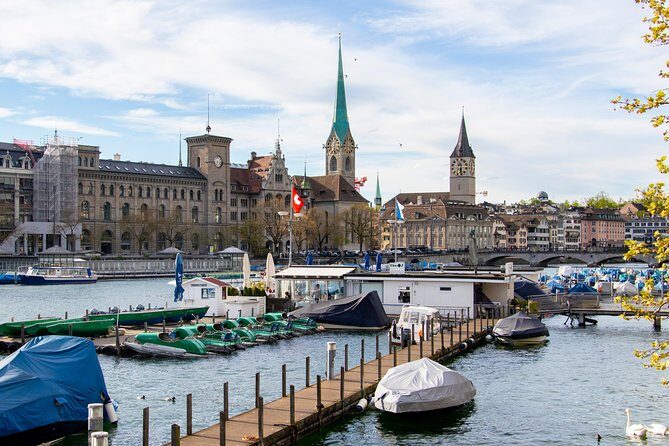
Zug turns into your puzzle board. This one-hour escape-style game sends you through old-town streets and shops, using the Sato Code app to guide you clue by clue through the city center. You start near the station and end back at the meeting point, with familiar landmarks like St. Oswald Church along the way.
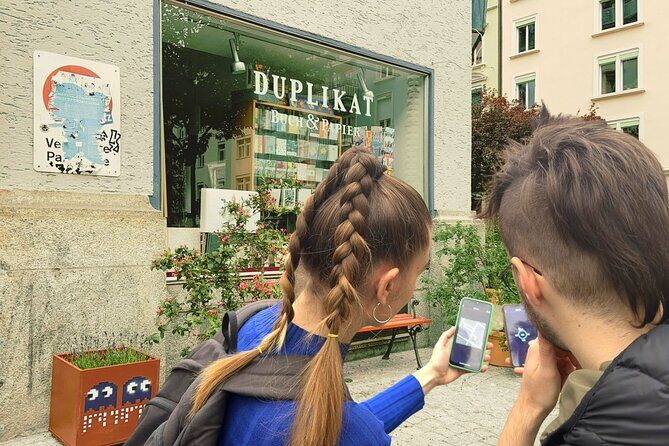
I especially love the team setup. You’ll need at least two players, and each person uses their own phone, so you can compare notes instead of one person doing all the work. I also like the way clues show up in real places you’d walk past anyway—think symbols hidden in a record shop or a cryptic message tucked into a pizzeria—so the game feels like city time with a brain twist.
One real consideration: this is not a casual stroll-and-smile activity. The puzzles get harder as you go, and it’s recommended for active participation from age 13 (with age 16 suggested for best results), plus you’ll need working internet on every phone. If you show up with low battery or shaky data, the game can slow down.
In This Review
- Key things to know before you go
- A citywide escape game in Zug, not a standard walking tour
- How the Sato Code app runs the whole game
- Start near Metalli Zug: getting your bearings fast
- Old town streets and shops: where the clues actually live
- Along the lake and toward Museum Burg
- Ending at St. Oswald Church: your final stretch
- Why this feels like the real deal (and not just easy riddles)
- Price and value: is $17.48 per person worth it?
- Practical tips so you don’t get stuck
- Who should book Sato Code Escape Room in Zug
- Should you book this escape game in Zug?
- FAQ
- How long is the Sato Code Escape Room across Zug?
- Where does the game start?
- Where does it end?
- What route does the game follow?
- Do I need more than one person?
- Does each participant need a smartphone?
- Do both phones need internet?
- What’s the app used for?
- What age is it best for?
- When is it available?
Key things to know before you go
- Citywide, clue-by-clue format: A dozen clues spread across streets and shops, not one locked room
- Two phones minimum: Each teammate gets different info in the Sato Code app
- Real-world puzzle stops: You might spot coded messages in everyday places like shops and restaurants
- Route with landmarks: Start near the station, pass Museum Burg, and head toward St. Oswald Church
- Difficulty ramps up: Plan to think hard and move at an adult pace
- Phone + internet required: Charged devices and a hotspot backup help a lot
A citywide escape game in Zug, not a standard walking tour
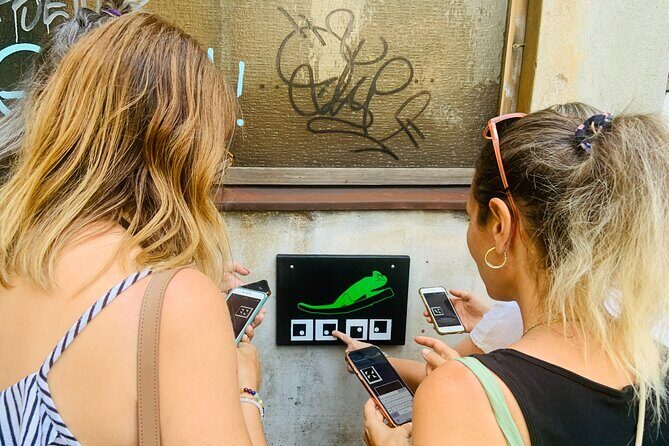
If you’re craving something more fun than yet another stroll down a main street, this escape game is a smart fit. It plays like an escape room, but your “room” is the city center. You don’t just read signs—you hunt for clues, crack codes, and connect small pieces until the story makes sense.
The biggest value for me is the structure. You get a clear arc: start near the station, walk through the old city, and work your way toward St. Oswald Church. Along the route you’ll pass Museum Burg and spend time near the lake area, so you’re mixing puzzles with actual sights.
You can also read our reviews of more tours and experiences in Central Switzerland.

How the Sato Code app runs the whole game
This is a phone-first experience. The Sato Code app is how the game talks to you, and each teammate receives different information. That’s why you need at least two participants and one smartphone per person.
You’ll also want to treat internet access as part of the gear list. The game requires internet on every phone. If only one person has data, use a hotspot so the other phone stays connected. I also recommend you keep both phones fully charged—an hour is short, but a dead screen kills momentum.
One nice practical detail: your tickets come by SMS, so there’s less last-minute fuss than some tours. It’s also designed to run as a private activity for your group, so you’re not sharing the puzzle path with strangers.
Start near Metalli Zug: getting your bearings fast
Your meeting point is Metalli Zug on Industriestrasse 15b, and the walk begins from there, close to the station area. That matters because you can show up, get organized, and start solving without a long preamble. In a game like this, you want to be active early.
From the start you’ll move through the old city. Expect streets and shopfront areas to be part of the puzzle layout. The game uses a steady rhythm: find something, interpret it, then move on. If you like puzzle-solving as a hobby, this “real world” version feels especially satisfying because the clues aren’t confined to a single wall panel.
Old town streets and shops: where the clues actually live

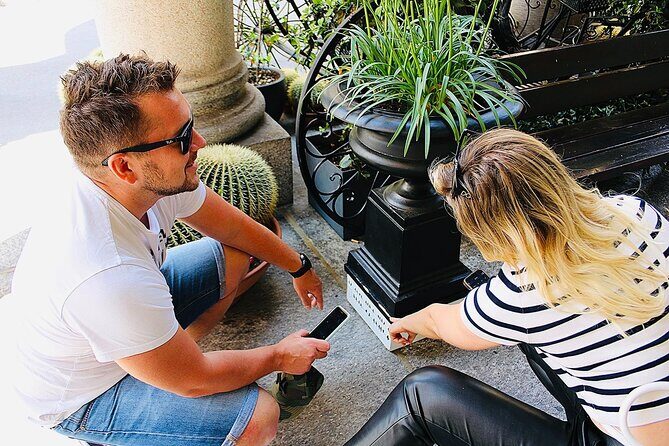
A dozen clues are placed across the old town area, and they’re designed to be found by paying attention. This is the part of the game that feels most like walking through a puzzle magazine with your feet.
You might run into hidden symbols in a record store setting or a cryptic message in a pizzeria setting. The point isn’t just the object—it’s what you do with it. Each find should give you the next step in cracking codes or solving puzzles, and the challenges become increasingly more difficult as you go.
The practical benefit for you: this format forces you to look slowly. Instead of speeding through a neighborhood, you’ll be scanning storefronts, reading patterns carefully, and switching between people and phone screens to assemble answers.
Along the lake and toward Museum Burg
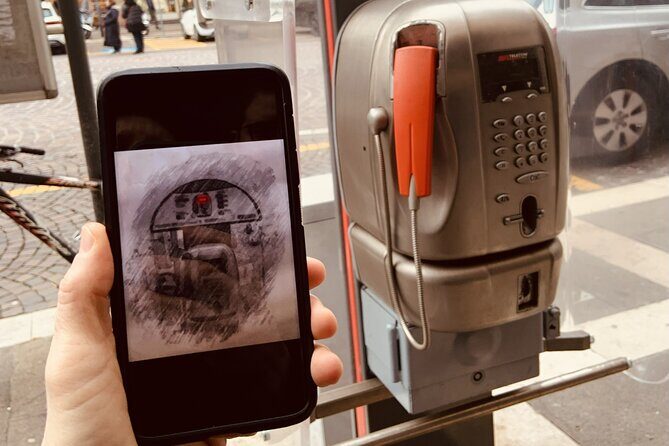
The route includes time alongside the lake area, which gives the walk a natural change of pace. Even though this is a puzzle game, you’ll appreciate the breathing space. It’s a nice contrast to dense shopping streets because you get open sightlines and a calmer rhythm while you work out the next clue.
You’ll also pass by Museum Burg, the castle-style landmark area. Even if you’re not doing a museum visit, it’s a good anchor point in the route. In games like this, anchors help. They make it easier to remember where you are, and they give you a mental “checkpoint” when you’re comparing what you found with your teammate.
Ending at St. Oswald Church: your final stretch
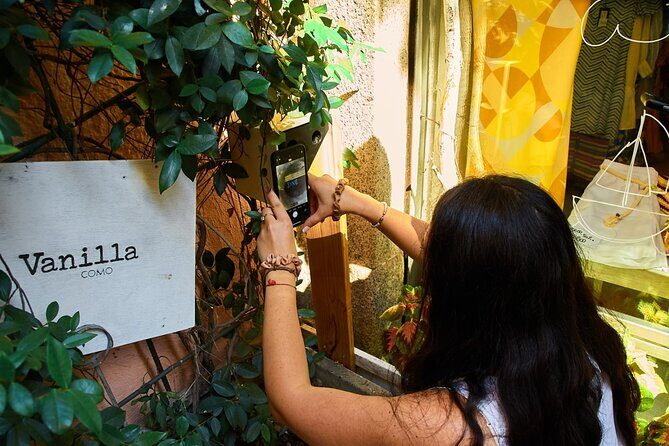
The game is guided toward St. Oswald Church, and that end goal is useful. It gives the team a sense of direction instead of feeling like you’re wandering until time runs out. When the puzzles get harder, structure becomes even more important.
As you approach the church area, focus on teamwork. One person can read screens and call out code fragments while the other spots details and checks the street-level clue. This is one of those experiences where talking is part of solving.
When you finish, the activity ends back at the meeting point. So you’re not left trying to figure out transit at the end while your brain is still full of codes.
Why this feels like the real deal (and not just easy riddles)
This is a challenge game. The puzzles ramp up, and it’s recommended for kids only when they’re ready to actively participate—age 13 is the minimum recommendation for active participation, and age 16 is suggested for best results. That age guidance isn’t just marketing. It reflects the fact that the tasks ask for sustained focus.
You’ll likely enjoy it most if you like puzzles as a hobby. The experience is built so you work in layers: clue → interpretation → code → next step. That makes it feel like training for escape-room style thinking, only you’re doing it in real streets and shop areas instead of sealed rooms.
And there’s another practical upside: because the clues are spread out in public spaces, the time feels richer than a typical hour of indoor entertainment. You’ll see parts of Zug you may not notice on a normal sightseeing loop.
Price and value: is $17.48 per person worth it?
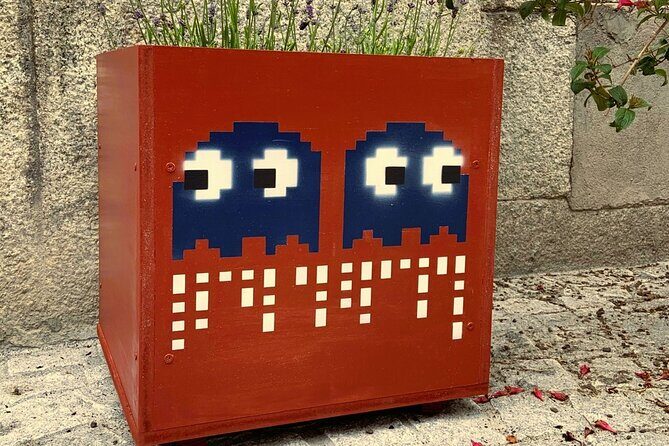
At about $17.48 per person for roughly an hour, this is pretty strong value for a city-center activity. You’re paying for more than a walk. You’re paying for a structured puzzle path that turns sightseeing into problem-solving, with a built-in reason to slow down and pay attention.
It also scales in a smart way. The minimum team requirement means you’re more likely to split the cost across two people, and the “each person has a phone” setup keeps both brains engaged. If you’re traveling with someone you actually like talking to, that matters.
Plan ahead too. It’s commonly booked about 7 days in advance, so if you’re traveling during peak times, earlier booking makes life easier.
Practical tips so you don’t get stuck
Here’s how to make your hour feel smooth instead of chaotic.
- Bring two charged phones and confirm both have internet working. Use a hotspot if needed.
- Assign roles quickly. One person can scan and read phone prompts; the other focuses on spotting street-level clues.
- Move, then solve. Don’t stop too long in one spot. Find, note, and move until you see the full pattern.
- Talk out loud. Codes are easy to misread when you’re silent and rushing.
- Wear comfortable shoes. You’re walking through town, including lake-side sections and toward the church area.
- Bring moderate physical fitness. This is still a walking route, so plan to keep a steady pace.
If you take those steps, the game usually feels more like a satisfying team challenge than a scramble.
Who should book Sato Code Escape Room in Zug
This fits best if you want an activity that’s part game and part city wandering. I’d point you toward it if you:
- enjoy riddles, codes, and puzzle structure
- like working in a pair (or a small team) where everyone has an active role
- want a different way to experience Zug’s center without turning it into a standard photo-walk
It’s also a nice afternoon option when you want something you can’t do at home. The route connects key areas—station zone, old town, Museum Burg area, lake-side walking, and St. Oswald Church—so you come away with both solved puzzles and a stronger sense of the city’s layout.
If you’re traveling with younger kids, be cautious. It’s not recommended for children under 16 unaccompanied, and the puzzles could be too difficult without strong adult support.
Should you book this escape game in Zug?
Yes, I’d book it if you want a brainy, team-based way to see Zug. The price is reasonable for a structured one-hour challenge, and the city-as-board format means you’re not stuck indoors the whole time.
Only skip it if you’re looking for a relaxing, low-effort sightseeing plan. This experience asks you to think, to read carefully, and to keep both phones online. If that sounds fun, you’ll likely have a great hour—and you’ll see Zug with fresh eyes.
FAQ
How long is the Sato Code Escape Room across Zug?
It lasts about 1 hour.
Where does the game start?
The start point is Metalli Zug, Industriestrasse 15b, 6300 Zug, Switzerland.
Where does it end?
It ends back at the same meeting point.
What route does the game follow?
It starts next to the train station, goes through the old city toward St. Oswald Church, and includes a section alongside the lake and a pass by Museum Burg.
Do I need more than one person?
Yes. There is a minimum of 2 participants.
Does each participant need a smartphone?
Yes. It’s a team game, and each participant needs a smartphone.
Do both phones need internet?
Yes. Internet is required on every phone. If only one phone has internet, you can use your hotspot.
What’s the app used for?
The Sato Code App gives different information to each teammate.
What age is it best for?
Active participation is recommended from age 13, with a stronger recommendation for age 16 due to difficulty. Children under 16 should not go unaccompanied.
When is it available?
Opening hours run daily from 8:00 AM to 11:30 PM (for the stated service date range).