REVIEW · INTERLAKEN
Snowshoe Adventure in the Swiss Alps
Book on Viator →Operated by Outdoor · Bookable on Viator
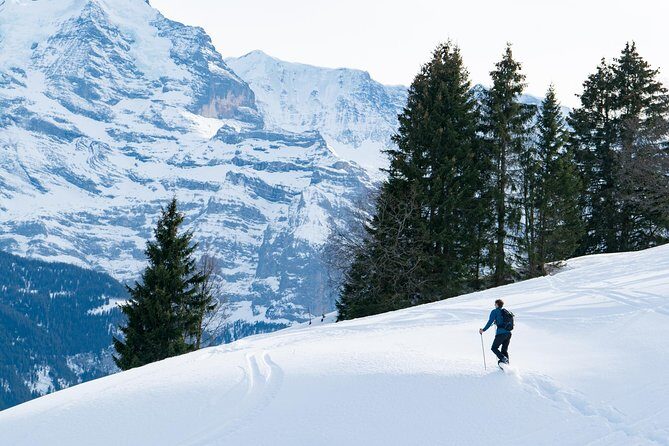
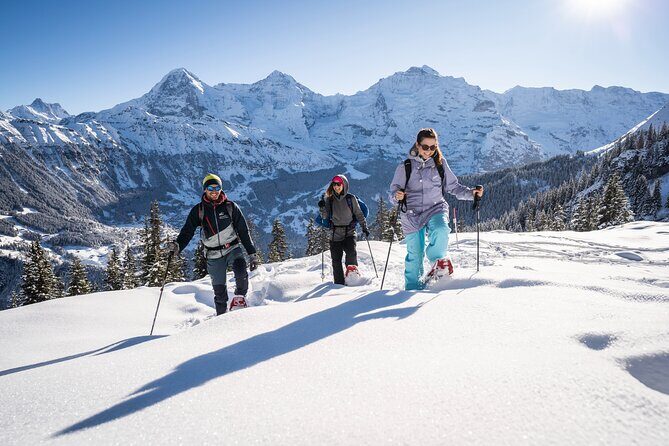
Snowshoeing here feels like winter slowed down. A guided outing from Interlaken pairs guided navigation with included snowshoes and poles, so you can focus on the trail instead of map-reading. I like that you pass small Swiss hamlets you’d miss on a regular winter walk, and I love the payoff: clear panoramic views of the Eiger, Mönch, and Jungfrau. One consideration: the hike is easy-moderate, but it can still feel physically demanding, and you’ll need to plan your clothing because snow gear (gloves, goggles, etc.) isn’t included—though it is available for rent.
At the Outdoor – Interlaken Base (Industriestrasse 17, 3812 Wilderswil), check-in and equipment pickup are built for quick turnarounds, and you’ll end back at the same meeting point. You’ll get a mobile ticket, and the tour is offered in English, which makes the explanations much easier to follow when you’re learning how to move on snowshoes.
What really adds peace of mind is how the guides handle conditions. Guides such as Konstantin, Aleksei, and Danny are known for pacing that feels just right, plus careful attention to avalanche safety with monitoring and backup plans when conditions demand changes.
In This Review
- Key Points I’d Bank On
- Interlaken Is the Right Starting Line for Swiss-Alps Winter Quiet
- Price and Value: What $130.45 Really Buys You
- What You Get, What You Bring: Gear and Clothing Made Simple
- Included
- Not Included (but available to rent)
- Dressing for temperature swings
- The 4-Hour Flow: From the Outdoor Base to Winter Trails
- Quiet Forests, Alpine Meadows, and Those Small Swiss Hamlets
- The Real Star: Views of Eiger, Mönch, and Jungfrau
- Pacing, Group Size, and Safety in Avalanche Country
- Avalanche risk management
- Snacks, Stops, and the Little Comfort Wins
- Who This Tour Fits Best (and Who Might Want Another Plan)
- Tips to Make Your Snowshoe Day Smoother
- FAQ
- FAQ
- How long is the snowshoe tour in total?
- Where does the tour start and end?
- Is the tour offered in English?
- Do I get snowshoes and poles?
- Are hiking boots included?
- Is snow clothing included?
- What’s the minimum age for the tour?
- How big is the group?
- What happens if the weather is bad?
- Can I cancel for a full refund?
- Should You Book This Snowshoe Adventure From Interlaken?
Key Points I’d Bank On
- Small-group feel (max 12 people) for easier questions and a more relaxed pace
- Eiger, Mönch, Jungfrau views as the main reward after the snowy forest sections
- Equipment and snacks included so you can keep your packing simple
- Easy snowshoeing for beginners, with a guide keeping you on track
- Weather and safety are taken seriously, including avalanche-aware decision making
Interlaken Is the Right Starting Line for Swiss-Alps Winter Quiet
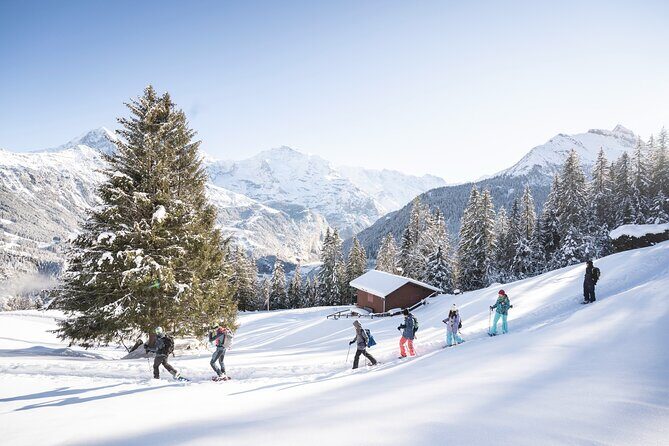
Interlaken is a smart base for winter days in the Swiss Alps. You’re close enough to major peaks that the views are real, but this specific tour heads away from the busiest ski-runs and lifts. That matters because your winter experience shifts from “ski crowd energy” to quiet movement: snow underfoot, pine-scented air, and wide open sightlines when you reach the right angles.
The timing is also friendly. Total trip time is about 4 hours (including transport), while the actual hiking portion is roughly 1.5–2 hours. That’s long enough to feel you did something outdoors without turning the whole day into a recovery session later.
And because it’s guided, you get the practical benefit most independent walkers don’t: you’re not guessing where the trail goes when snow softens everything. If you’ve ever tried to follow winter tracks that have been reshaped by wind, you’ll appreciate having a guide managing the “where do we step next?” part.
A few more Interlaken tours and experiences worth a look
Price and Value: What $130.45 Really Buys You
At $130.45 per person, this isn’t a budget activity—but it also isn’t a high-end luxury snow fantasy with no substance. You’re paying for a bundle that adds up quickly if you tried to piece it together on your own:
- A professional guide who controls route, pacing, and timing
- Snowshoes and poles included
- Hiking boots included
- Snacks provided
- Transport included as part of the experience package
That’s a practical value story. In winter, gear is the expensive part, and boot fit matters more than most people think. Having boots, snowshoes, and poles handled for you lowers the risk of arriving underprepared. Plus, you avoid spending time figuring out trail logistics and meeting points across multiple providers.
The other “hidden value” is group efficiency. With a planned route and a short hike window, you’re not wasting half the day on transfers or learning gear basics from scratch. You’re out for the views and the snowshoe rhythm.
One more detail: this tour is commonly booked about 22 days in advance on average. If you’re traveling in peak season, don’t treat it like a last-minute idea—book ahead so you have the time slot you want.
What You Get, What You Bring: Gear and Clothing Made Simple
This is the section that can make or break your comfort.
Included
You’ll have:
- Snowshoes and poles
- Hiking boots
- Professional guide
- Snacks
For many first-timers, having boots and snowshoes included is the best kind of convenience. Snowshoe boots tend to be sturdier for winter footing, and the right fit helps you move with less fatigue.
Not Included (but available to rent)
You’ll need to handle:
- Snow clothing
- Gloves
- Goggles
Rentals are available, which is great if you’re traveling light or if you forgot something at home. Still, I recommend arriving with a plan. If you’re missing basic cold-weather layers, you’ll feel it right away at the start.
Dressing for temperature swings
A common practical lesson: you can be cold at the beginning, then get noticeably warmer as elevation and movement kick in. So layer like you mean it.
A good rule for you:
- Start with layers you can remove.
- Choose warm insulation, but keep wind protection in mind.
- Make sure your gloves work well for adjusting poles and handling gear.
If you show up overdressed, you’ll sweat during the climb. If you show up underdressed, you’ll shiver before the hike really warms you up.
The 4-Hour Flow: From the Outdoor Base to Winter Trails
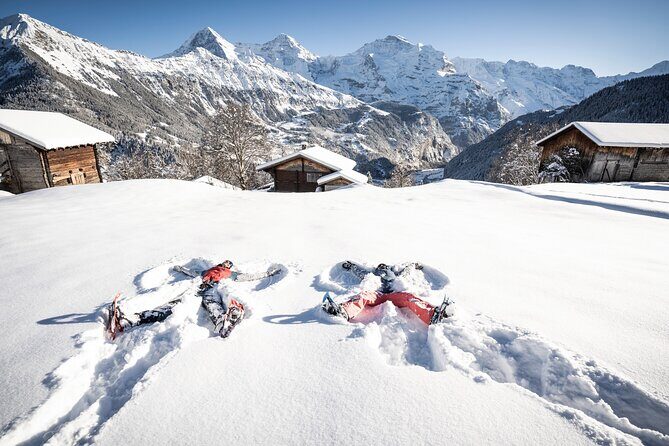
The whole tour is designed to be straightforward.
You begin at:
Outdoor – Interlaken Base, Industriestrasse 17, 3812 Wilderswil, Switzerland
From there, the experience runs about 4 hours total, including transport. That means the schedule is tight enough to keep things efficient, but not so tight that you feel rushed or trapped.
Here’s how the day typically feels, step by step:
1) Meet, check in, and get equipped
You’ll sort out your gear quickly at the base. Equipment pickup and waiting areas are built for travelers who want a calm start, not chaos.
2) Transport to the snowshoe route
Transport is part of the package. You’re moving from the base area to the trail zone where conditions and views make sense for a guided hike.
3) The snowshoe hike (about 1.5–2 hours)
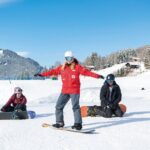
Once you’re on the route, the guide leads you through snowy forest sections and winter paths. You’ll learn to step efficiently in deep snow, which is the whole point of snowshoes: you stay on top of the snow instead of sinking.
4) Return and end back at the meeting point
After the hike, you go back to the original base so the day ends cleanly.
The hiking itself is described as easy, which is useful—especially if you’re new to snowshoeing. But don’t mistake easy for effortless. Deep snow still works your legs, and your core ends up doing more than you expect.
Quiet Forests, Alpine Meadows, and Those Small Swiss Hamlets
This tour is about more than “walking in snow.” It’s built around variety.
You’ll experience:
- Snowy forests with guided navigation, which helps you feel confident even when it looks like a maze
- Alpine meadows in winter, where the snow can look untouched from certain angles
- Hidden winter trails away from the loudest resort zones
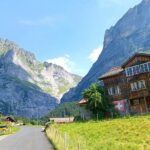
- Traditional Swiss hamlets that you wouldn’t notice on a normal winter stroll
That hamlet detail is a big deal for me. It turns the hike from a generic scenic walk into a mini cultural detour. You see that winter in Switzerland isn’t just ski lifts—it’s also quiet villages, stone buildings, and snow-covered life that feels slower than the city pace.
And because the guide is leading you, you’re not stuck trying to interpret rural paths under changing light. You can simply enjoy the scene as you pass through.
The Real Star: Views of Eiger, Mönch, and Jungfrau
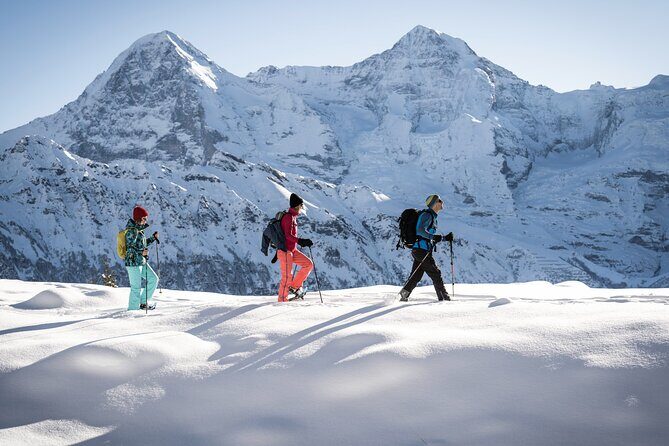
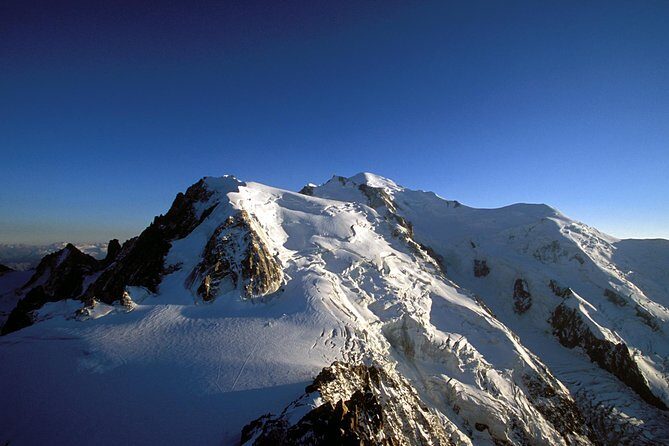
The Eiger, Mönch, and Jungfrau are the reason many people come to the Interlaken region in winter, and this tour is set up to deliver those panoramas.
You’re not just looking at peaks from one static viewpoint. The route is paced so you can reach vantage points where the peaks open up across the snowy terrain. On a clear day, those views feel huge—especially after you’ve spent the first portion walking through forested sections.
Here’s the practical takeaway for you:
- Bring a camera you can operate with gloves.
- Keep your hands warm early so you can enjoy the view stops rather than rush through them.
The tour is also weather-dependent. If conditions aren’t right, you might be offered a different date or a full refund. That flexibility is important in the Alps, where fog or heavy snow can change everything quickly.
Pacing, Group Size, and Safety in Avalanche Country
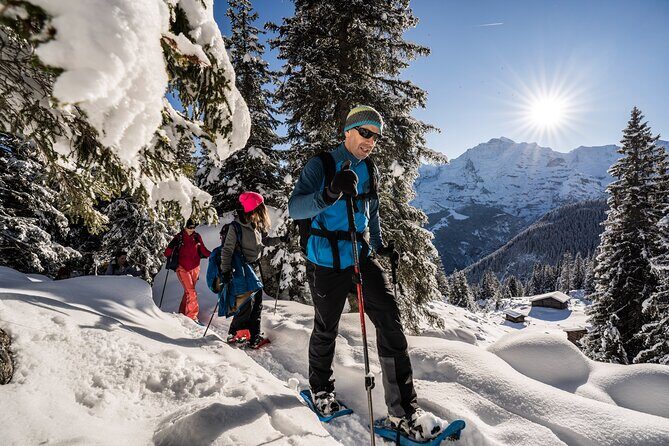
This tour caps at 12 travelers, which keeps things manageable in winter terrain. It matters because snowshoeing isn’t like a casual city walk. Everyone moves at slightly different speeds, and the guide needs to keep the group together without turning the hike into a race.
The pacing also varies by conditions, but it’s generally meant to feel “steady,” not punishing. People who want a break from intense ski days often find this is a nice middle ground: you get exercise, but you’re not locked into lift queues and ski-school logistics.
Avalanche risk management
Switzerland has avalanche risk in winter, so safety isn’t optional. One standout detail from how the guides operate: they monitor the situation carefully and use backup plans if conditions shift. That can mean route adjustments or changing plans to keep the group safe.
For you, the practical benefit is simple: you can relax. When a guide is actively thinking about risk, you don’t waste mental energy worrying whether the trail is the right choice.
Snacks, Stops, and the Little Comfort Wins
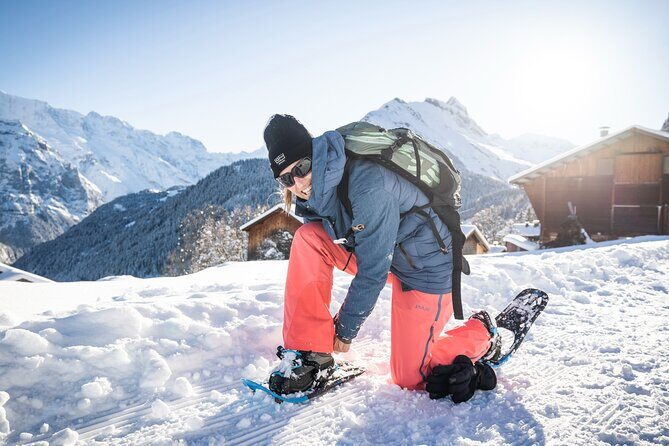
Small comforts add up in cold weather, and this tour includes snacks. That helps a lot because snowshoeing gives you a steady burn. You’ll likely feel warmer during the hike, then cool down when you stop.
Also, the logistics around check-in are designed for real winter travel. You’re not stuck waiting forever in the cold to get gear. The base setup includes space for waiting and smooth equipment handling, which makes a morning or afternoon start feel civilized.
And yes, you’ll see guide personalities. Names like Konstantin, Aleksei, and Danny show up with the same themes: friendly communication, good pacing, and safety attention. Even if you don’t know what kind of humor you like from a guide, the main goal is that you feel looked after.
Who This Tour Fits Best (and Who Might Want Another Plan)
This experience is a strong fit if you:
- Want to experience the Swiss Alps in winter without ski gear
- Are okay with an easy-moderate snowshoe walk for about 1.5–2 hours
- Prefer a guided route so you don’t worry about navigation
- Like panoramic views, not just trees and snow detail
It’s also a good choice for solo travelers who want structure and company without needing to be especially social. Being in a small group helps.
Minimum age is 8. If you’re traveling with kids under 12, it requires adult supervision. The physical demands are manageable for many people, but kids still need proper cold-weather clothing and comfort with movement.
If you hate cold weather dressing challenges, you’ll need to plan carefully since gloves and goggles aren’t included. Also, if you expect snowshoeing to feel exactly like walking on a flat sidewalk, it won’t. Snowshoeing uses a different gait and engages muscles you may not use every day.
Tips to Make Your Snowshoe Day Smoother
If you want a first-time snowshoe day to feel easy, focus on the basics:
- Layer smart: warm at the start, breathable once you’re moving
- Rent if needed: gloves and goggles aren’t included, but rental options exist
- Wear boots you trust: hiking boots are provided, but don’t bring flimsy socks that don’t fit well
- Keep snacks in mind: eat enough so cold doesn’t sneak up on you
- Be ready for change: weather can affect the schedule, and that’s normal here
One more practical thing: since this is commonly booked about 22 days in advance, try not to leave it as a “maybe.” Picking a date with decent forecast odds can help your chances of getting the best views.
FAQ
FAQ
How long is the snowshoe tour in total?
The total trip time is about 4 hours, including transportation. The hiking portion lasts around 1.5–2 hours.
Where does the tour start and end?
It starts at Outdoor – Interlaken Base, Industriestrasse 17, 3812 Wilderswil, Switzerland, and ends back at the same meeting point.
Is the tour offered in English?
Yes, the tour is offered in English.
Do I get snowshoes and poles?
Yes. Snowshoes and poles are included.
Are hiking boots included?
Yes. Hiking boots are included.
Is snow clothing included?
No. Snow clothing, gloves, and goggles are not included, but they are available for rent.
What’s the minimum age for the tour?
The minimum age is 8. For children under 12, adult supervision is required.
How big is the group?
The tour has a maximum of 12 travelers.
What happens if the weather is bad?
This experience requires good weather. If it’s canceled due to poor weather, you’ll be offered a different date or a full refund.
Can I cancel for a full refund?
Yes. Cancellation is free, and you can cancel up to 24 hours in advance for a full refund. If you cancel less than 24 hours before the start time, the amount you paid won’t be refunded.
Should You Book This Snowshoe Adventure From Interlaken?
If you want a guided way to see the Swiss Alps winter quiet—plus strong panoramic views of Eiger, Mönch, and Jungfrau—this is an easy yes. The included gear, boots, and snacks make it practical, and the small group size keeps the experience comfortable in snow.
I’d think twice only if you don’t want to deal with cold-weather dressing (since key items like gloves and goggles aren’t included). Otherwise, this is a solid, value-minded way to trade ski crowds for snowy forests, hamlets, and a calm winter trail you can enjoy without worrying about getting lost.