REVIEW · LUCERNE
Weggis Vitznau Foxtrail Helios
Book on Viator →Operated by Foxtrail Schweiz · Bookable on Viator
A Foxtrail turns scenic Lake Lucerne walks into a real puzzle game. In Weggis and Vitznau, the story of the Helios fox sends you hunting for hidden messages and solving tasks to reach the next stop. I like that it feels like sightseeing with a mission, so the scenery stays interesting and your group keeps moving.
My favorite part is the combination of clever, varied challenges and the great viewpoints over Lake Lucerne and the mountains. The only real drawback to plan for is that, on occasion, a post can be missing a required item or a code can fail, so it helps to stay calm and use the free helpline if you get stuck.
In This Review
- Foxtrail Helios: how the game actually works in Weggis and Vitznau
- The story challenges: military phones, flooded underpasses, and gondola rules
- The Lake Lucerne payoff: why this route feels worth the effort
- 2 hours 30 minutes of pacing: how to keep your team in the groove
- Meeting point and finish: Vitznau Tourist Information and back again
- Price and value: what $44.36 buys you (and what it doesn’t)
- Phone use and the helpline: don’t let tech kill the fun
- What to wear: moderate fitness and Swiss terrain reality
- Who this suits best: families, friends, and puzzle-minded sightseers
- Should you book Foxtrail Helios in Weggis and Vitznau?
- FAQ
- Where does the Foxtrail Helios start and end?
- How long does the tour take?
- What kind of activity is a Foxtrail?
- Do I need a smartphone during the trail?
- What if we get stuck and can’t find the next step?
- What fitness level is required?
- Is it private, and will the weather affect it?
Foxtrail Helios: how the game actually works in Weggis and Vitznau
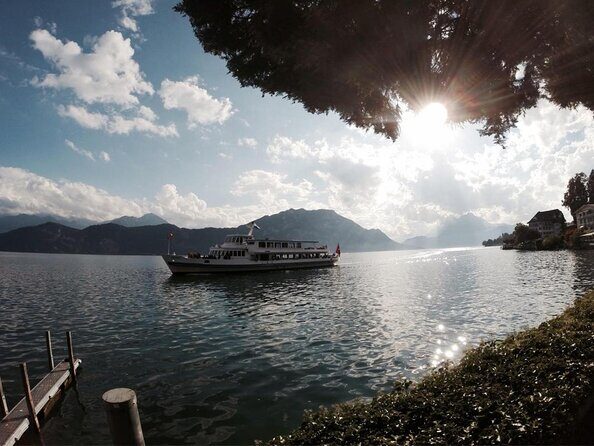
A Foxtrail is part scavenger hunt, part escape-game logic, and part sightseeing walk. Instead of racing through a route like a typical tour, you work in teams to find the next checkpoint by solving clues and interpreting what the fox left behind.
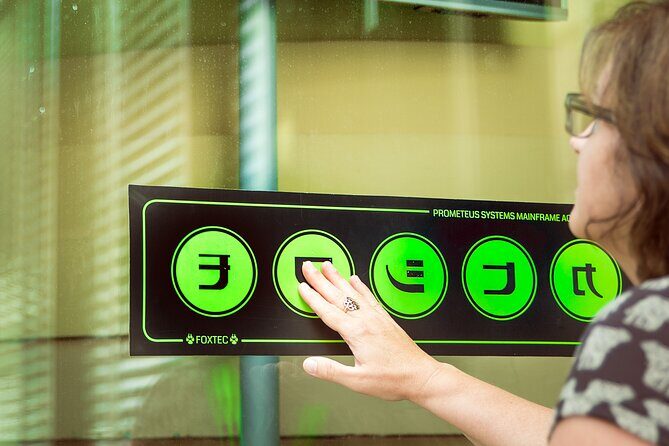
You follow a trail of virtual hints that lead to real-world tasks. At each post, you look for hidden information, crack a puzzle, or use a specific method to communicate or confirm what you found. Once you complete a stop correctly, you move on to the next one.
What makes this one feel special in the Vierwaldstättersee region is the detour style of the route. You are not just walking a straight line; you’re bouncing between viewpoints and trickier terrain, which keeps both the pace and the focus from getting dull.
You’ll also be guided by the game design, not by a lecture. That’s a big deal when you travel with friends, a mixed-age family group, or anyone who likes doing things instead of listening to them.
The story challenges: military phones, flooded underpasses, and gondola rules
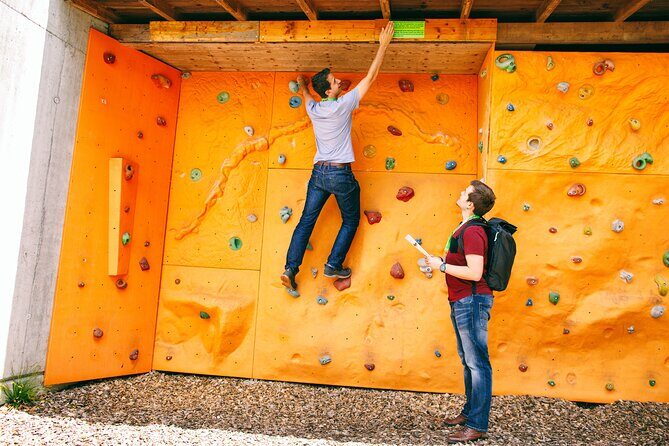
The Helios theme leans into “serious mission” energy, but with playful puzzle twists. As you move through Weggis and Vitznau, you may need to figure out how to use a military phone to communicate with a fortress, which sounds odd until you’re standing there trying to make the clue system work.
Another memorable part of the game involves an underpass that was flooded after recent thunderstorms. In practice, this means you’ll likely be asked to interpret signs or use the environment as part of the puzzle trail, not just solve something on paper.
And yes, the storyline even flirts with the idea of pulling an emergency brake on a gondola. The key practical warning is this: illegal use can be fined by the municipality. So treat the gondola “brave moment” as part of the narrative, and follow the game instructions exactly as written. If something seems like it could be unsafe or illegal, don’t improvise.
This is also where teamwork matters. The game is designed so that one person’s strengths—logic, reading clues, noticing details, or handling the phone-based steps—helps the rest of the group move forward.
You can also read our reviews of more tours and experiences in Lucerne.

The Lake Lucerne payoff: why this route feels worth the effort
Even if puzzles aren’t your usual thing, the payoff here is that the game gives you a reason to look around. You’re not strolling while wishing you had a plan. You’re hunting for the next answer, and the landscape is part of the clues.
A strong theme in the feedback is that the environment stays gorgeous without becoming a distraction. You get scenic pauses where it’s easy to slow down, talk, and regroup. One reviewer specifically called out that the route includes good spots for a picnic break, so the experience can work well as a light daytime outing rather than a tight sprint.
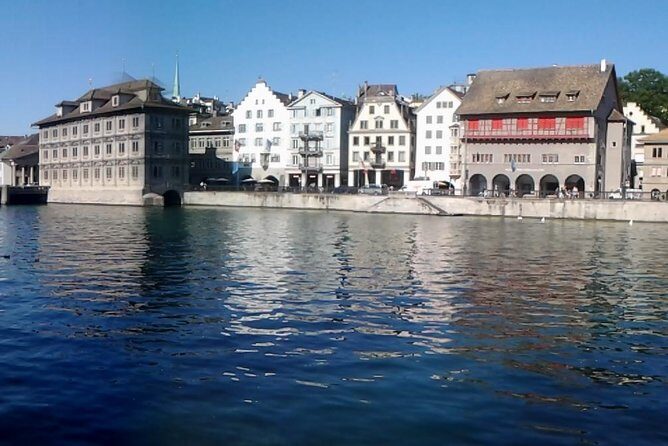
You’ll also be able to spot both lake views and mountain perspectives, which is a big plus in this part of Switzerland. The game structure helps you actually enjoy the views because you have an active reason to stop, look carefully, and then move again.
2 hours 30 minutes of pacing: how to keep your team in the groove
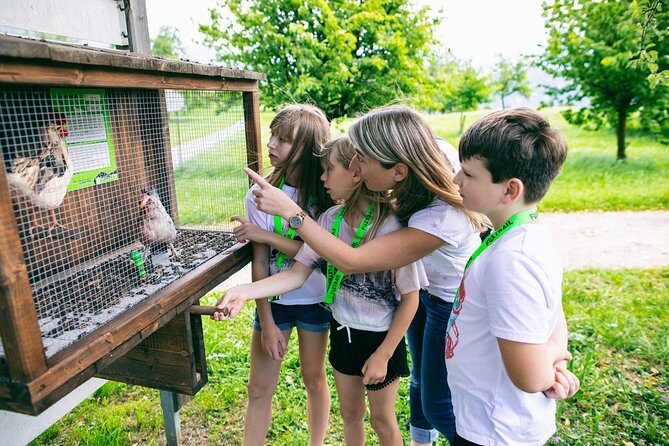
The duration is about 2 hours 30 minutes, and that timing is long enough to feel like an “experience,” but short enough that you won’t hate your life by the final minutes.
Your best strategy is to start in a calm mode. Let someone read clues out loud. Let another person scan for hidden messages. If you get a phone-related task, assign one person to handle it so the rest of the team doesn’t lose the trail context.
Also keep in mind that the game uses a chain reaction. If you rush early and mis-handle a clue, you can end up backtracking when the fox decides you need to learn patience.
The other timing factor: parts of the overall outing may involve local transport. In one case, there was a bus ride with a schedule about every 30 minutes. That means you should arrive ready to move on the next instruction window rather than expecting everything to be totally on your personal pace.
Meeting point and finish: Vitznau Tourist Information and back again
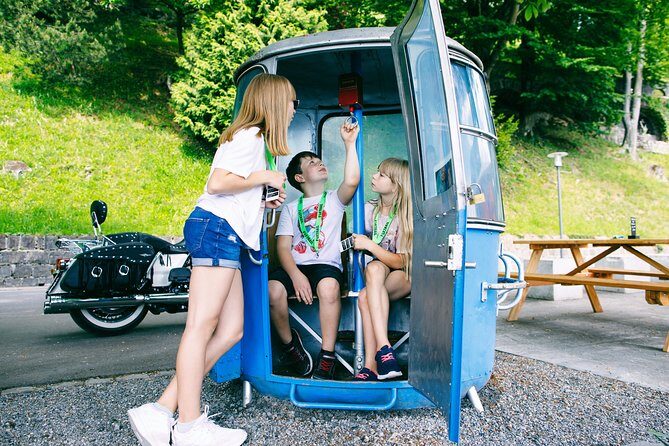
Start and end are simple. You begin at the Vitznau Tourist Information, Bahnhofstrasse 7, 6354 Vitznau, Switzerland. The activity ends back at the same meeting point, which is helpful if you’re planning lunch or connecting to another outing the same day.
Because it’s near public transportation, you can build it into a broader Lucerne-area itinerary without complicated logistics. It’s also a private tour/activity, so only your group participates, which usually makes it easier to hear instructions, keep your team together, and avoid awkward group merging.
If you’re coming from central Lucerne, plan travel time so you don’t arrive flustered. The game works best when your team can focus from minute one.
Price and value: what $44.36 buys you (and what it doesn’t)
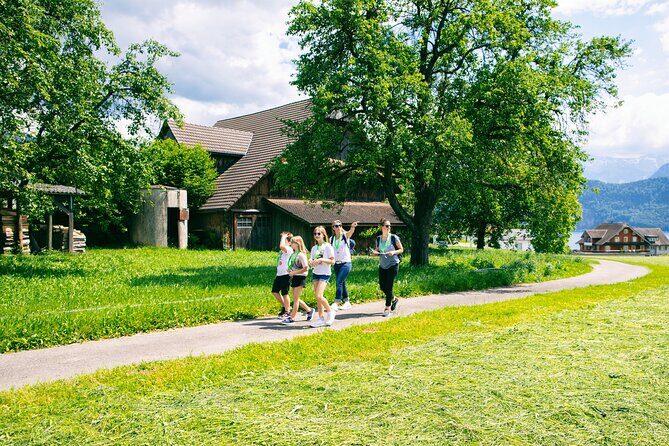
At $44.36 per person, this isn’t a “museum ticket.” It’s closer to paying for time, interactive design, and the problem-solving structure that keeps you outside doing something.
Here’s the value angle I’d pay attention to:
- You’re buying a 2.5-hour guided-by-puzzles experience, not just scenic walking.
- The tasks are designed to feel varied, not repetitive. That matters because long puzzle walks can turn into boredom fast.
- You’re paying for a free helpline safety net if you truly can’t make progress.
What you should not assume is that every part will feel perfectly smooth for every group. There are rare reports of missing or defective items at specific posts. That doesn’t mean the whole trail is broken, but it is a reason to keep your expectations flexible and to use the helpline quickly when something doesn’t work.
One extra value note from a feedback thread: there was an issue where, for a group of four, only two beverages were selectable. The provider responded that they understood the problem and would check internally. If beverages are important to your group plan, it’s smart to ask ahead of time what the options and limits are on the day.



Phone use and the helpline: don’t let tech kill the fun
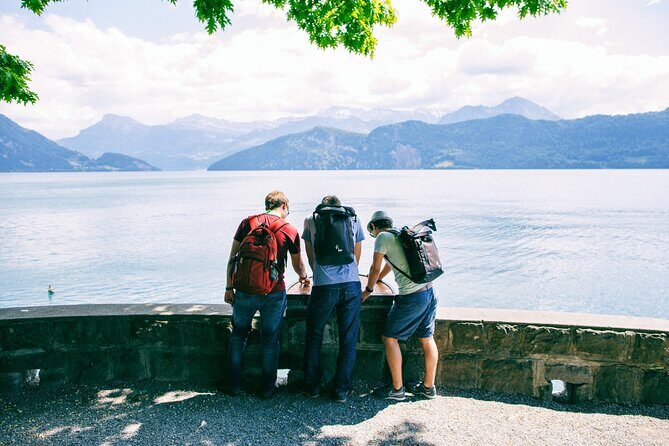
Some posts may require a smartphone, and that’s normal in today’s Foxtrail-style design. If you can, come with your phone charged and ready, and keep it in a pocket where it won’t get soaked if weather is unstable.
If you hit a dead end, the experience includes a free helpline. That’s not just a nice-to-have. It protects the whole point of the game, which is to keep you moving and enjoying the route instead of standing there frustrated.
One caution: if a code step fails to open something, don’t keep forcing it or guessing randomly. Pause, call the helpline, and follow the guidance. That’s the difference between turning your fun walk into a troubleshooting session.
What to wear: moderate fitness and Swiss terrain reality

This is listed as requiring moderate physical fitness. That’s a polite way of saying you should be comfortable walking, handling uneven ground, and moving through outdoor spaces without needing a wheelchair or stroller for every segment.
Also expect weather to play a role. The experience requires good weather, and if it gets canceled due to poor weather, you’ll be offered a different date or a full refund. So check the forecast, especially if you plan to travel in shoulder seasons or right after thunderstorms.
For footwear, bring something grippy and comfortable. Even if you’re not doing steep hiking, you’re on an active puzzle route where you’ll stop and start a lot.
Service animals are allowed, which is reassuring if you travel with a working companion.
Who this suits best: families, friends, and puzzle-minded sightseers

This is a great match if you like active travel. You want to see places, but you also like to figure things out. The best teams tend to combine different strengths: one person good at spotting details, one comfortable with phone steps, and one who keeps morale up.
It also works nicely for mixed-age groups. In feedback, kids were mentioned as enjoying the trail with real enthusiasm. That said, this is still a puzzle mission, so bring a team spirit approach and be ready to help younger participants when a clue gets tricky.
If your idea of travel is sitting still and taking in views with zero mental effort, this may feel too game-like. But if you can handle a bit of problem-solving while enjoying lake views, it’s a very natural fit.
Should you book Foxtrail Helios in Weggis and Vitznau?
I’d book it if you want an outdoorsy day that feels more like an adventure than a checklist. The combination of varied, creative puzzles plus Lake Lucerne scenery is a strong formula for a 2.5-hour outing, and the helpline reduces the risk of one bad moment ruining the whole experience.
You might skip it if you’re sensitive to tech steps, dislike smartphone-dependent tasks, or need a totally predictable route with no waiting for local transport segments. Also think twice if you expect everything to be perfectly flawless at every single post, because occasional issues can happen and the solution is using the provided support.
Overall, if you like the idea of a puzzle walk where teamwork is the shortcut, this Helios trail is a fun way to experience Weggis and Vitznau without turning your day into a long, passive tour.
FAQ
Where does the Foxtrail Helios start and end?
It starts at the Vitznau Tourist Information on Bahnhofstrasse 7, 6354 Vitznau, Switzerland, and it ends back at the same meeting point.
How long does the tour take?
The duration is about 2 hours 30 minutes.
What kind of activity is a Foxtrail?
A Foxtrail mixes sightseeing with a scavenger hunt and escape-game style puzzles. You follow a trail of virtual fox messages and solve clues to find the next post.
Do I need a smartphone during the trail?
Some posts may require a smartphone, so it’s a good idea to have one with you.
What if we get stuck and can’t find the next step?
There is a free helpline you can call to get back on track if your team can’t progress.
What fitness level is required?
The experience calls for moderate physical fitness. You should be comfortable walking outdoor paths and keeping up with an active, puzzle-based route.
Is it private, and will the weather affect it?
It’s a private tour/activity with only your group participating. Also, it requires good weather; if canceled due to poor weather, you’ll be offered a different date or a full refund.