REVIEW · SWITZERLAND
3 Hour Unique Wine Tour – Half Day in Swiss Alps
Book on Viator →Operated by Wine Tours Switzerland · Bookable on Viator
One train ride from Zurich can turn into wine country fast. This half-day Swiss Alps wine tour focuses on real winemaking in Switzerland, with vineyard and cellar time plus tastings. I especially love the chance to see grape-growing up close and the way the guide turns basic wine facts into something you can actually taste and remember. One thing to consider: alcohol isn’t included, so you’ll likely add on purchases if you fall for a bottle.
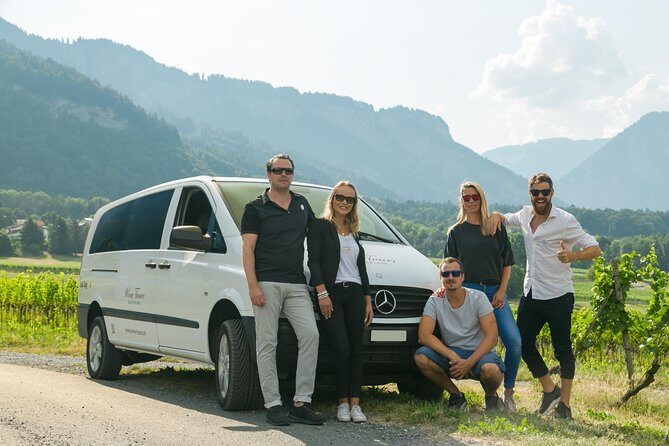
You’ll ride comfortably in an air-conditioned minivan and keep things friendly with a small group (seven per vehicle, with a tour cap of 13 total). I also like that the tour is timed for views of the Rhine Valley as well as wine education, so it doesn’t feel like you’re stuck indoors. For a high price point, it helps to go in knowing it’s a guided tasting and instruction experience, not a long wine crawl.
In This Review
- Key highlights that make this tour worth your time
- Swiss wine education, but in a short 3-hour window
- Maienfeld start: easy access, then straight into the wine region
- Stop 1: vines, cellars, and tastings that explain what you’re drinking
- What I think you should pay attention to during the tasting
- Stop 2: Rhine Valley views that give the wine region a bigger frame
- The small-group setup: seven per vehicle makes the tour feel human
- What you get (and what costs extra): wine, water, and the 16+ rule
- English guide, professional pace, and how Markus-style explaining changes the tasting
- Price and value: $497.74 per person for a three-hour, guided, small-group tour
- When the price feels fair
- When you might feel it’s expensive
- Where pickup and the meeting point fit into your day
- Who should book this Swiss Alps wine tour?
- Should you book this tour or skip it?
- FAQ
- How long is the wine tour?
- Where does the tour start?
- Is pickup available?
- What’s the group size like?
- What language is the tour offered in?
- Are alcoholic drinks included?
- What is the minimum drinking age?
- Is bottled water provided?
- What’s the cancellation policy?
Key highlights that make this tour worth your time
- Vineyard-to-cellar format: you’re not just tasting; you’re seeing how Swiss wine gets made
- Guide-led tastings with context: you learn what you’re tasting before you drink
- Rhine Valley viewpoints: the day includes scenery, not only cellars
- Small-group feel: limited to seven per vehicle, so questions don’t vanish
- Comfortable transport: air-conditioned minivan plus bottled mineral water
Swiss wine education, but in a short 3-hour window
This tour is built for people who want the wine experience without giving up half a day to logistics. In about three hours, you get a focused introduction to Swiss viticulture—where grapes grow, how cellars work, and how regional varieties show up in the glass. The pace is quick, but it’s not rushed in a chaotic way. It’s the kind of itinerary that works when you want value from your time in Switzerland.
The big win here is that the tasting is paired with explanations you can connect to the vineyard and production process. Instead of treating wine as a mystery you’re supposed to guess correctly, you get the practical story: where the grapes come from, what happens after harvest, and why Swiss wines taste the way they do.
You can also read our reviews of more tours and experiences in Switzerland.
Maienfeld start: easy access, then straight into the wine region
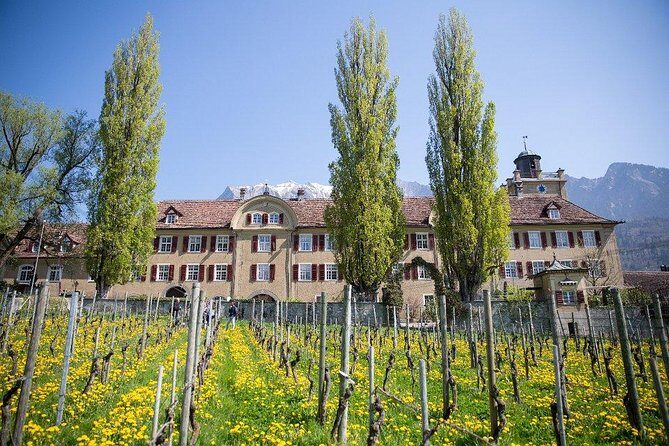
The tour starts from Maienfeld, and that matters more than it sounds. Maienfeld is close enough to other Swiss travel plans that you don’t feel like you’re relocating your whole trip just to drink wine. Plus, the tour is offered in English, so you won’t lose details in translation.
Transport is handled by an air-conditioned minivan, which is a comfort upgrade in the Swiss Alps region—especially if weather changes. You’ll also have mineral water on board, which helps you stay sharp during tastings. Small things like that can make the difference between a fun tasting session and one where everyone’s distracted by thirst.
If you’re coming from Zurich, one review mentioned the train ride being easy and scenic before the wine tour day. Even if your exact route is different, the takeaway is the same: this tour fits well into a real travel schedule rather than forcing you to rearrange everything.
Stop 1: vines, cellars, and tastings that explain what you’re drinking
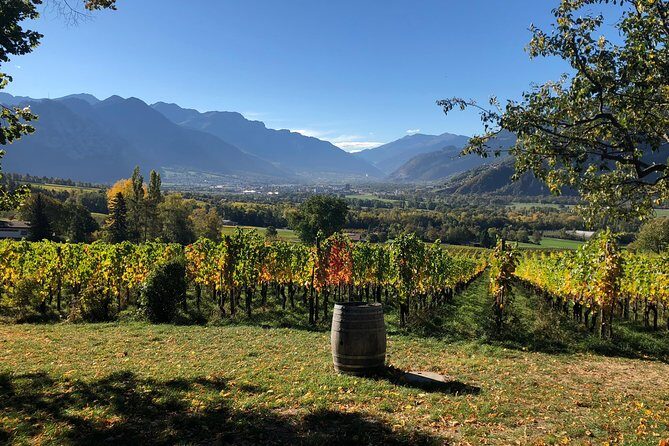
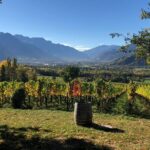
Your first stop is where the tour earns its reputation: you discover Swiss vines and cellars and get amazing tasting. This is the heart of the experience. You’re not only viewing the wine region—you’re learning the winemaking logic behind it.
Here’s what that means in practice. You’ll spend time where grapes grow and where wine is handled for production. That physical change—vine rows to cellar spaces—helps the explanations land. When you taste a regional varietal later, you can picture the steps that got it there.
One of the strongest takeaways from a past guide experience led by Markus was seeing grapes being harvested up close in the field. That timing won’t be the same every day, but it gives you an idea of what you might catch depending on season and local work schedules. If harvest activity is happening during your visit, you may see firsthand how quickly vineyard work shifts from one stage to the next.
What I think you should pay attention to during the tasting
Since alcoholic drinks aren’t included and you can purchase on-site, you’ll likely taste what’s offered during the tour and then decide what else to buy. Use the tasting time to notice:
- How the acidity and aroma come through in Swiss styles (especially in cooler-climate conditions)
- What the guide emphasizes—often they’ll point out why one varietal tastes different from another from the same region
- Any food-paring hints or serving suggestions the guide shares, if applicable
Even when wine tastes good, the added value is understanding why it tastes good. That turns a one-time drink into a memory you can recreate later.
Stop 2: Rhine Valley views that give the wine region a bigger frame
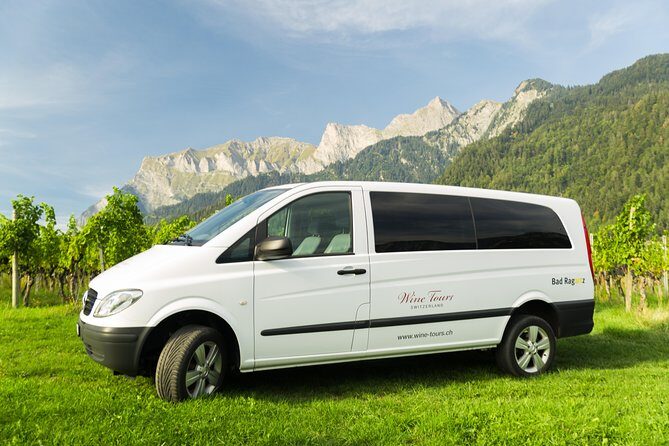
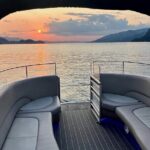
The second stop is for the views—amazing scenery and Rhine Valley panoramas. This isn’t random sightseeing tacked onto a tasting. It helps you connect the geography to the wine.
When you look out over a valley, you start to understand the practical conditions affecting vines: slope, exposure, and the way weather moves through valleys. You don’t need to become a meteorologist. You just need enough context to see why the wine styles can vary even within a relatively small region.
This is also where the tour refreshes your senses. A cellar visit can mean time indoors and among equipment and explanations. Then you shift to open air and big sightlines. For a half-day format, it’s an efficient reset.

The small-group setup: seven per vehicle makes the tour feel human
This tour keeps group size intentionally limited. It’s capped at 13 travelers total, and each vehicle stays to seven people. That matters because wine tours often go sideways when everyone has to wait their turn for a question, a photo, or a quick clarification.
With this size, you get a better chance to actually interact with the guide—ask why a specific wine is made a certain way, or request help understanding what you’re tasting. In the experience led by Markus, the energy was described as fun and educational, and that usually comes from a group that isn’t too large to handle.
Also, small groups typically mean you’ll spend more time at the right moments. If there’s something happening in a vineyard or a production spot is ready for visitors, fewer people makes it easier for the guide to work around timing.
What you get (and what costs extra): wine, water, and the 16+ rule
Alcoholic drinks aren’t included, but tastings are part of the tour experience. Mineral water is included, and alcoholic drinks can be purchased. That’s a key distinction for your budget.
So how should you plan?
- Treat the included tasting as your base experience
- If you like what you taste, you can purchase additional wine on-site
- Budget a little extra if you want more than the provided tastings
There’s also a minimum drinking age of 16 for beer and wine. If you’re traveling with younger teens who don’t meet the age limit, it’s worth checking how the tour handles participation when alcohol isn’t part of their day. The tour does say most people can participate, but the age rule for alcohol is explicit.
English guide, professional pace, and how Markus-style explaining changes the tasting
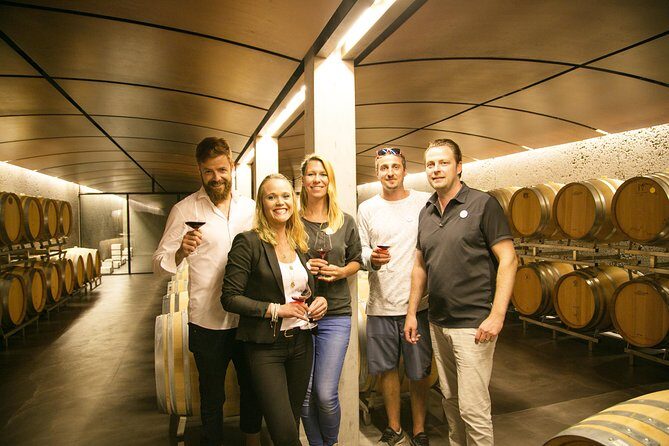
The tour is led by a professional guide and offered in English. That’s more than a convenience—it affects how much you absorb during short time windows. In a three-hour tour, you don’t have time to “just chill” and hope the details stick.
In one highlight, Markus made the whole thing enjoyable and educational, with the guide linking what you see (grape work in the field, cellars and production steps) to what you taste. That’s the difference between a tasting session where people nod and a tasting session where you actually learn something useful.
If you’re the type who likes to understand what you’re ordering, you’ll do well here. If you’re more of a casual drinker and want mostly atmosphere and scenery, you can still enjoy it, but you might prefer to let the guide do the learning heavy lifting and focus on the social part of tasting.
Price and value: $497.74 per person for a three-hour, guided, small-group tour
At $497.74 per person, this is not a budget wine tour. But you can judge the value by what’s included and what isn’t.
What’s included:
- Hotel pickup from selected hotels (within the stated limits)
- Professional guide
- Transport by air-conditioned minivan
- All taxes, fees, and handling charges
- Private tour wording in the package details
- Mineral water on board
What’s not included:
- Alcoholic drinks (available to purchase)
- Pickup/drop-off beyond the stated distance (5 km plus)
So, you’re paying for a guided, timed experience with transport and tastings, plus the small-group advantage. In Switzerland, that kind of structure often costs more than the bigger, bus-style options, because someone is doing the planning and guiding in real time.
When the price feels fair
This tour tends to make sense if:
- You want education and not just a stop-and-sip
- You care about small-group pacing (seven per vehicle)
- You prefer a structured half-day rather than DIY transport to multiple wineries
When you might feel it’s expensive
It may feel steep if:
- You’re only interested in the cheapest possible wine tasting
- You’re planning to buy lots of alcohol on top (since alcohol is extra)
- You expect a longer itinerary than three hours
My practical advice: decide first whether you want the guide-led learning. If yes, the price can feel justified. If you just want scenery and a quick drink, you could be better served by a different kind of wine stop.
Where pickup and the meeting point fit into your day
The tour includes hotel pickup for selected hotels, and pickup/drop-off beyond 5 km plus isn’t included. The activity ends back at the meeting point, and pickup details tell you to look for the guide.
This means you’ll want to plan your day so you’re comfortable with a return to the meeting spot rather than a guaranteed door-to-door drop. If you’re staying outside pickup coverage, you might be happier if you’re already near public transportation since the tour notes it’s near public transit.
Also, the tour uses a mobile ticket, which is handy if you don’t want to manage paper vouchers while traveling.
Who should book this Swiss Alps wine tour?
This is a good fit for:
- People who want wine context fast—cellars, vines, and tastings in one focused window
- Couples or small groups who appreciate a quiet group size (seven per vehicle)
- Travelers planning a short stay in the Zurich area who still want a real Swiss wine day
- Anyone who enjoys being guided by an English-speaking professional, like Markus-style explaining
It’s not a perfect match if:
- You want an all-day program
- You hate buying alcohol while on a tasting tour (since tastings are included but alcohol can be purchased)
- You need strict hotel-to-hotel coverage outside selected pickup areas
Should you book this tour or skip it?
Book it if you want a compact, guided Swiss wine experience that combines vineyard and cellar learning with Rhine Valley viewpoints. The small-group setup is the kind of detail that makes these tours feel personal instead of industrial, and the guide experience described with Markus suggests you’ll leave with wine knowledge you can actually use.
Skip it if you’re mainly after casual wine sipping with no interest in production process, or if you’re very price-sensitive and plan to spend heavily on extra bottles.
If you do book, I’d go into it expecting a smart, guided tasting day—not a long itinerary. Then you’ll feel like the time and money were well spent.
FAQ
How long is the wine tour?
The tour runs for approximately 3 hours.
Where does the tour start?
The tour is based in Switzerland and starts from Maienfeld.
Is pickup available?
Yes. Hotel pickup is offered for selected hotels, and pickup/drop-off beyond 5 km plus is not included.
What’s the group size like?
The tour is limited to seven people per vehicle, and the overall maximum number of travelers is 13.
What language is the tour offered in?
The tour is offered in English.
Are alcoholic drinks included?
Alcoholic drinks are not included, but they are available to purchase. Beer and wine follow a minimum age rule.
What is the minimum drinking age?
The minimum drinking age is 16 years for beer and wine.
Is bottled water provided?
Yes. Mineral water is included on board.
What’s the cancellation policy?
You can cancel for a full refund if you cancel up to 24 hours in advance of the experience’s start time. If you cancel within 24 hours, the amount paid is not refunded.