REVIEW · LAUSANNE
Lausanne (City Center) Scavenger Hunt and Sights Self-Guided Tour
Book on Viator →Operated by Explorial · Bookable on Viator
If you like exploring at your own speed, this works. It’s a self-guided scavenger hunt in Lausanne (city center) where you solve clue questions, chase photo challenges, and hop between major sights using the app map.
I especially like the flexibility: you’re not trapped by a strict time limit, and you can stop for breaks whenever you need. The other big win is the interactive format, with answers hidden on-site and photo tasks that turn walking into a game. One thing to consider: you’ll need to find the starting point on your own, so arriving with your access code ready matters.
You’ll start at Château St-Maire on Rue de la Barre 6, then follow hints to sights like Esplanade of Montbenon, Cathedral square, and Bel Air tower (plus additional stops). Each location brings short tasks: solve questions based on what you see around you, and sometimes tackle creative snapshot prompts for points. The experience is designed for people who want a fun structure without giving up freedom.
If you want a fully guided, turn-by-turn explanation from a person, this might feel too DIY. But if you enjoy light problem-solving and learning through what you spot around you, it’s a surprisingly good way to get your bearings fast.
In This Review
- Key things to know before you play
- How a scavenger hunt turns Lausanne into your game board
- Getting started at Château St-Maire (and why your first 5 minutes matter)
- Esplanade de Montbenon: your first real “walk, read, solve” moment
- Cathedral square, Bel Air tower, and the value of following hints
- How the challenges work: points, questions, and creative snapshots
- Find-sight tasks with hints
- Sight questions that push you to read
- Photo tasks that reward creativity
- Timing that actually fits a real day
- Price and value: what $18.56 buys you in Lausanne
- Who this is best for, and who should think twice
- Practical tips so you don’t lose time or motivation
- Should you book the Lausanne scavenger hunt?
- FAQ
- What is the duration of the Lausanne scavenger hunt?
- Where does the tour start and end?
- What language is the experience offered in?
- How do I start the tour after purchase?
- Do I need to follow a strict schedule during the tour?
- What kinds of tasks will I do?
- Is it a private activity?
- How far in advance should I book?
- What if I need to cancel?
Key things to know before you play
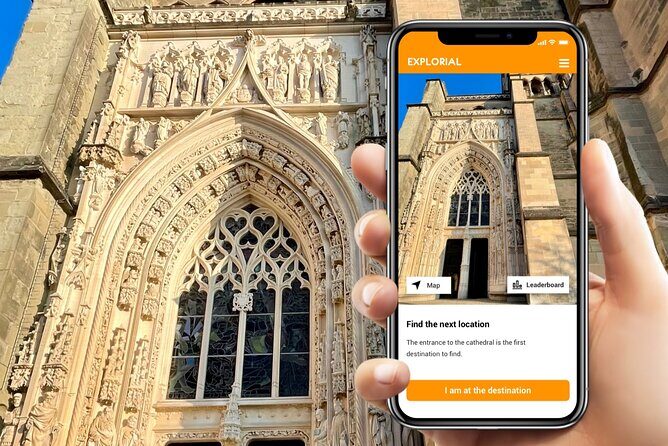
- Phone app + access code: buy once, then use an access code inside the app to start the game.
- Clue-based sight hunting: hints guide you to places, and questions are tied to what you see on signs and pictures.
- Photo tasks for points: some challenges reward creativity, not just walking.
- Self-paced timing: average play time is about 1–2 hours, and it’s not limited in time.
- City-center, on foot: expect to move through Lausanne at a walking pace with public-transport access nearby.
- Private for your group: it’s just your group doing the activity together.
How a scavenger hunt turns Lausanne into your game board
Lausanne can feel like a lot of places at once: pretty streets, quick views, and a skyline that keeps changing as you walk. This experience adds a simple structure to all that wandering. Instead of trying to “do everything,” you’re chasing specific stops and solving mini challenges along the way.
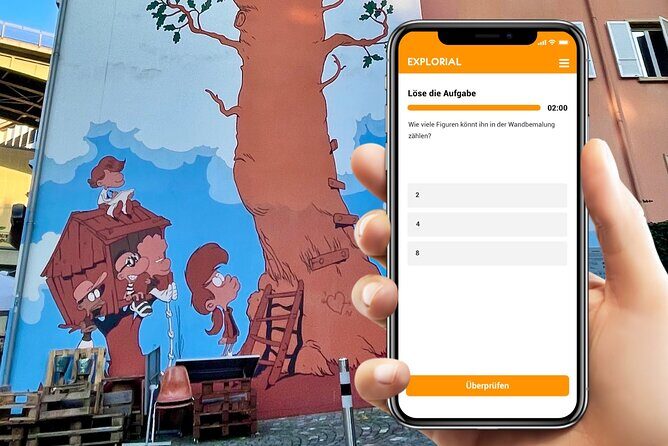
I like that the game isn’t just trivia. You’re asked questions about each sight, and the answers are usually hidden in signs, pictures, or other clues you can find where you’re standing. That means your attention stays on the real scene in front of you, not on memorizing facts from a screen.
The photo tasks are the other reason this feels fun instead of work. If you like playing with angles, framing, and small creative prompts, you’ll naturally slow down, look closer, and make the walk more memorable. It’s also a good fit for different travel styles, because some people enjoy puzzles while others focus on getting a perfect shot.
The only real caution is mindset. This is interactive and partly independent. If you want someone to constantly steer you, you may get frustrated when you have to interpret a hint and locate a spot yourself.
You can also read our reviews of more tours and experiences in Lausanne.



Getting started at Château St-Maire (and why your first 5 minutes matter)
The activity begins and ends at the same place: Château St-Maire, Rue de la Barre 6, 1005 Lausanne. The experience is available every day, and the listed hours run from 12:00 AM to 11:30 PM across the full date range shown, which gives you lots of flexibility on when to start.
After you buy, you receive an access code that you’ll enter in the app. That step is important. If you arrive at the starting area without your code or without having the app ready, you’ll waste time figuring out where the game actually begins.
A practical move: once you’re at Rue de la Barre 6, open the app first, confirm you’re at the start, and only then begin following hints. That simple check can save you from the most common kind of trip-up with self-guided games—standing in the right neighborhood, but not at the right exact starting point.
Esplanade de Montbenon: your first real “walk, read, solve” moment
Your first stop is Esplanade de Montbenon. This is a smart opener because it kicks the experience into action right away: you arrive, then you switch from walking mode into game mode.
Here’s how the loop works at every stop:
- The app uses hints to point you toward what you’re looking for.
- You arrive at the sight area.
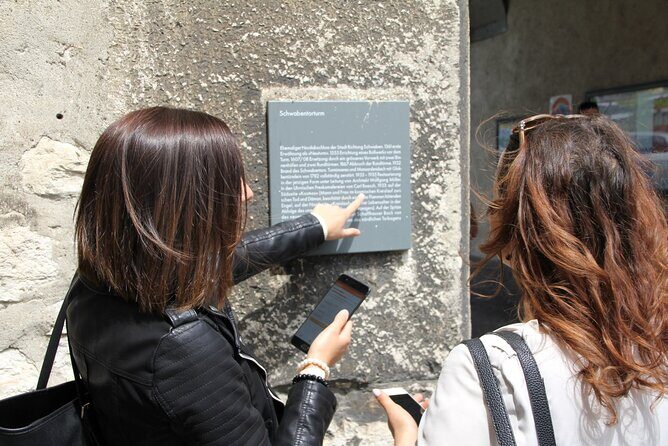
- Then the app asks questions related to what’s there—often based on information you can spot through signs or pictures.
- If there’s a photo task in your current segment, you’ll follow the creative prompt and earn points if you complete it well.
Even if you’re not usually into scavenger hunts, the format makes you pay attention. You’re not just moving past landmarks; you’re scanning for the clue that answers the question. That’s a fast way to learn without lectures.
The trade-off is that it can feel like a “mission” if you’re in a rush. Since the tour is self-paced, you can slow down when you want, but you still need enough focus to read what the game is asking you to find.
Cathedral square, Bel Air tower, and the value of following hints
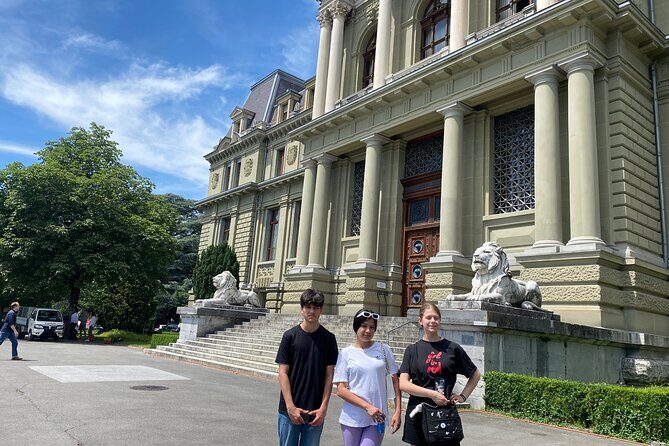
As you continue, you’ll reach major areas and named stops such as Cathedral square and Bel Air tower. The tour also includes additional sights beyond those examples, guided by the app map.
What I like about this route design is that it reduces decision fatigue. Lausanne has plenty to see, but when you’re tired or only have limited time, choosing where to go can become its own chore. With the hunt, the app turns your day into a series of clear “next moves.”
Hints and the map function matter here. The point isn’t just the destination—it’s the process of using the hints to locate each place. The map helps you navigate between stops on foot, and that keeps you from spending your energy guessing streets.
Also, the app-style learning is practical. Most answers are hidden in signs or images you can find on-site. So you’re getting a mini lesson tied directly to what you’re looking at, rather than reading abstract descriptions after the fact.
Potential drawback: because you rely on app guidance, your phone battery becomes part of the plan. Bring a charged device, and if you’re the kind of person who hates screen time, accept that you’ll be looking at the map more than you would on a casual walk.
How the challenges work: points, questions, and creative snapshots
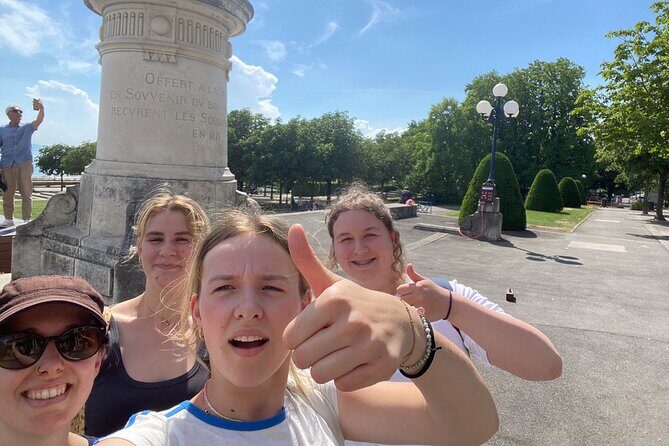
This game uses a mix of task types to keep it from getting repetitive.





Find-sight tasks with hints
You’ll use hints to locate the best sights and hidden spots throughout the city. The app map helps you get there, so you’re not left wandering with vague directions.
Sight questions that push you to read
When you reach a stop, the app asks questions about the sight. In most cases, the answers are visible nearby through signs or pictures. This is a clever way to turn normal sightseeing into something you actively solve.
Photo tasks that reward creativity
You’ll also face photo challenges where the goal is to capture your take on a prompt. If you complete snapshot tasks successfully, you gain points. This is where the experience often feels most like a “trip memory,” not just an errand list.
One more detail I appreciate: you can take breaks. The experience isn’t time-boxed, so if you want to sit for a few minutes, grab a snack, or simply pause while you figure out the next clue, the game doesn’t punish you for it.
Timing that actually fits a real day
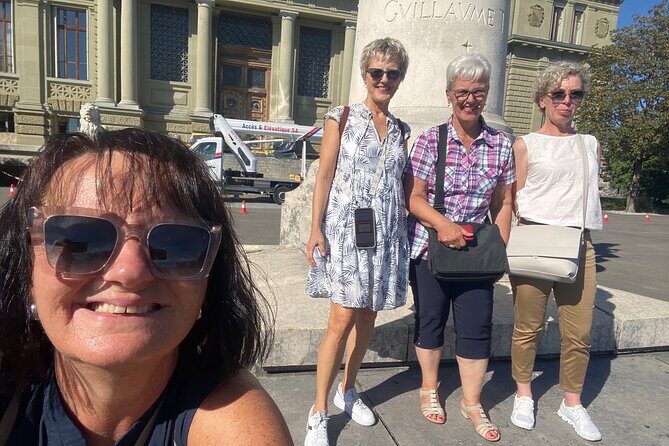
The duration is listed as about 2 hours for most people, and the tour typically lasts around 1–2 hours on average. That range is realistic for a self-guided walking game: you’ll move between stops, pause to answer questions, and spend a bit of time on photo tasks if you want to do them well.
Because it’s not limited in time, I treat it like a flexible activity block rather than a ticking clock. This matters if you’re traveling with mixed energy levels, or if you prefer to start early and keep the rest of your day open.
The experience is also described as near public transportation, which helps if you need an easy reset—jump in, play, and then hop away when you’re done.
Price and value: what $18.56 buys you in Lausanne
At $18.56 per person, the price is surprisingly reasonable for an activity that blends navigation, mini learning, and entertainment.
Here’s why the value can be strong:
- You get a structured route in a city center area, which saves time and planning.
- You get interactive learning through questions tied to what’s around you.
- You also get creative photo tasks, so it’s not only “read and answer.”
It’s not the same value as hiring a guide who can adapt to you in real time. You won’t get personal explanations or spontaneous detours. But for a self-guided experience, the format does a lot with a relatively small cost.
If you’re traveling as a pair or group, the group discounts can help make it even better value. And since it’s private for your group, you’re not sharing the experience with strangers during the hunt.
Who this is best for, and who should think twice
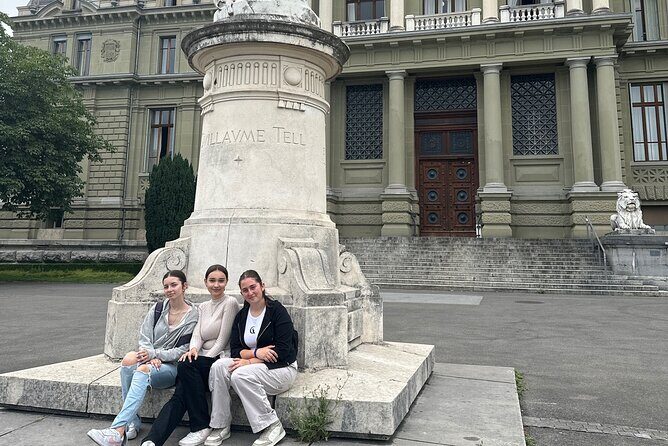
This experience is built for people who like doing things actively, at their own pace. From the tone of the experience and the way the tasks are structured, it often fits:
- Solo travelers who want to feel productive but not confined
- Couples looking for something different than a standard walk
- Families and groups that can split tasks (one person reads questions while another works on photos)
- Travelers who enjoy learning by spotting details on-site
It’s less ideal if:
- You dislike phone-based navigation
- You want a fully guided commentary the whole time
- You’d rather spend your attention on comfort and scenery only, with zero problem-solving
If you’re new to self-guided app tours, this can be a great first one because the rules are simple: start in the right place, follow hints, answer questions, and earn points with photo tasks.
Practical tips so you don’t lose time or motivation
A self-guided hunt feels easy when it’s going well. The goal is making it go well.
- Arrive at the exact start point: Château St-Maire on Rue de la Barre 6. Don’t start “somewhere nearby.” That’s how people get stuck.
- Start with the app open: you’ll enter the access code and use the map function. Do it before you walk off.
- Charge your phone: you’ll rely on your screen for hints and navigation.
- Treat it like a walk with mini missions: when you hit a question, slow down and look for signs or pictures tied to the answer.
- Do at least a couple photo tasks: even partial effort can make the game feel more like an experience and less like a checklist.
- Use breaks strategically: the activity isn’t limited in time, so you can pace yourself instead of rushing between clues.
Also note that service animals are allowed, which is helpful for travelers who need them. And since it’s near public transportation, you can plan around transit access if you’re not starting from walking distance.
Should you book the Lausanne scavenger hunt?
I’d book this if you want a fun way to explore Lausanne’s city center without hiring a guide and without packing your day with too many decisions. The app-based hints, on-site question answers, and photo points make it feel like sightseeing with purpose, not sightseeing with stress.
I wouldn’t book it if you hate self-navigation or if you expect someone to meet you and guide you turn by turn. The experience depends on you using the app, locating the start point, and following hints.
If you’re the kind of traveler who enjoys light challenges, learning from what’s in front of you, and turning a walk into something you remember, this is a solid buy for the money.
FAQ
What is the duration of the Lausanne scavenger hunt?
The tour takes about 2 hours for most people, with an average duration of about 1–2 hours. It also isn’t limited in time, so you can explore at your own pace and take breaks.
Where does the tour start and end?
It starts at Château St-Maire, Rue de la Barre 6, 1005 Lausanne, Switzerland. It ends back at the same meeting point.
What language is the experience offered in?
The tour is offered in English.
How do I start the tour after purchase?
After you buy, you receive an access code. You use that access code in the app, download the app, go to the starting point, and then begin the game.
Do I need to follow a strict schedule during the tour?
No. The experience is not limited in time, and you can explore at your own pace. You can take breaks as needed while playing.
What kinds of tasks will I do?
You’ll use hints to find sights, answer questions about what you see (often from signs and pictures), and complete photo tasks that earn points when you do them well.
Is it a private activity?
Yes. It’s private for your group, so only your group participates.
How far in advance should I book?
On average, it’s booked about 6 days in advance.
What if I need to cancel?
You can cancel for free up to 24 hours in advance for a full refund. If you cancel less than 24 hours before the start time, the amount paid is not refunded.