REVIEW · ZURICH
Sato Code Escape Room across Zurich
Book on Viator →Operated by Sato Code · Bookable on Viator
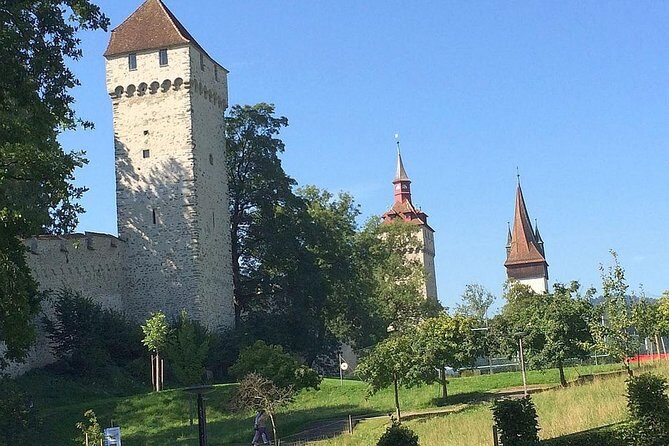
Zurich turns into a puzzle playground. This Sato Code escape room uses the city itself as the board, with the storyline ARES nudging you to look at Zurich from a fresh angle. I also like that it’s built around problem-solving, not a long history lecture, so your sightseeing time stays fun and active.
My favorite part is the teamwork design: it’s a phone-based team game where each player gets different clues in the app. That means you’re not just watching someone else play—you’re both contributing to the next move.
One thing to plan for: the game leans hard on working smartphones. You’ll need internet on every phone (hotspot is allowed if only one device has data), plus your phones should be charged and ready.
In This Review
- Key things to know before you go
- Entering The Sato Code route: what makes this Zurich escape room different
- Prime Tower start and the Hardbrücke to Industriequartier lead-in
- The Industriequartier stretch: where puzzle steps meet real streets
- Wipkingerpark and the final puzzle push
- How the Sato Code app runs the game (and why teamwork is required)
- Price and value: what $18.56 buys you in Zurich
- Difficulty level and who should take the challenge
- Logistics you can’t ignore: phones, internet, and timing
- Should you book Sato Code in Zurich? My take
- FAQ
- Where does the Sato Code escape room start and end?
- How long does the experience take?
- What language is the game offered in?
- How many people do you need to play?
- Do both players need a smartphone?
- Is internet required during the game?
- Is it suitable for kids?
- What should I wear or bring?
- What if plans change last minute?
Key things to know before you go

- Real city route, not a room: you walk a course through Zurich while solving puzzle steps.
- Two phones minimum: you need at least two participants, with a phone for each person.
- Each player gets different app info: the Sato Code app gives separate details so you must coordinate.
- Good for puzzle lovers: difficulty is aimed at teens and adults, with active participation recommended from age 13.
- Comfortable shoes matter: you’ll be walking from transit areas toward a park.
- Private group experience: it’s just your group—no mixing with strangers.
Entering The Sato Code route: what makes this Zurich escape room different

Most “escape rooms” are four walls and a timer. This one is Zurich, streets and sidewalks, with puzzle steps that guide your route. You’re not doing a typical walking tour where the points are scenic stops and then a story. Instead, you’re solving tasks as you move—so the route feels like part of the game, not an awkward commute between clues.
The payoff is that you get two things at once: an escape-style challenge and a change of pace from the usual old-town sightseeing rhythm. You’ll still be seeing Zurich, but you’ll be doing it with a goal—figure out what’s next, then go.
The whole storyline is ARES, built by game designers to capture the feel of Zurich in a puzzle-driven way. That matters because it keeps the experience from feeling random. You’re walking with purpose, even when the clues are tricky.
You can also read our reviews of more tours and experiences in Zurich.



Prime Tower start and the Hardbrücke to Industriequartier lead-in
You meet at Prime Tower, 8005 Zürich. From there, the game’s course takes you toward Hardbrücke station, and then along the Industriequartier area heading toward Wipkingerpark.
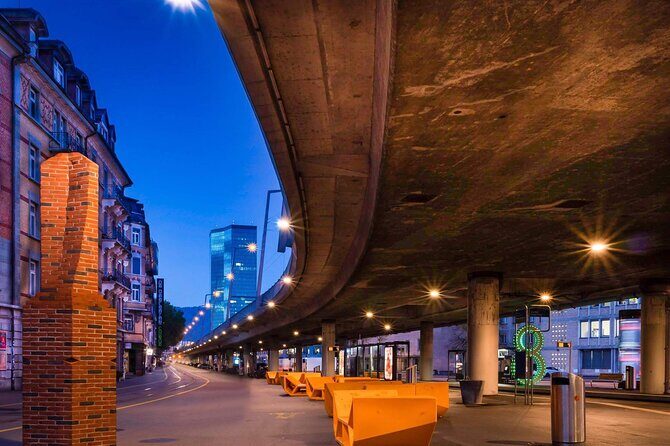
Here’s why this matters for your planning: Hardbrücke and the surrounding industrial-hip zone aren’t the postcard core. That’s a plus if you’re tired of doing the same central highlights. It also gives the game a nice texture—different streets, different visuals, and a route that feels like you’re discovering a Zurich “side street” version of the city.
Practical tip: if you’re arriving by tram or rail, give yourself a little buffer before your start time. You want both phones ready to go, with the app sorted before you start walking.
One mild catch: the experience is listed for travelers with moderate physical fitness. It’s not an all-day hike, but you are walking through a city route for about an hour.
The Industriequartier stretch: where puzzle steps meet real streets
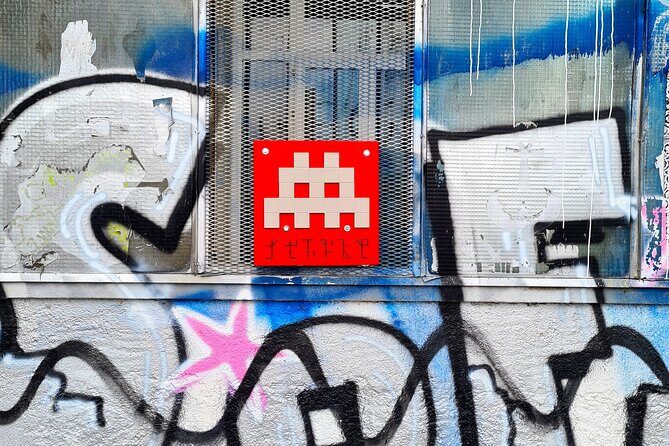
The walk through Industriequartier is where the experience starts to feel truly game-like. Instead of reading clues inside a themed room, you’ll be interpreting what you see around you while the app guides the next stage.
This “real setting” approach is part of why this experience gets such strong scores for fun. One of the biggest strengths is that puzzles don’t sit in a vacuum. They connect to your surroundings, which makes each success feel more earned.
What to expect in practice:
- You’ll likely pause and coordinate often, since each player receives separate information in the app.
- You’ll need to keep an eye on both devices while you decide what the team should do next.
- The route is part of the challenge, so don’t sprint off ahead of your partner—work together.
Drawback to keep in mind: this isn’t built like a history walk where you can just follow along at your leisure. If you want a totally passive activity, this isn’t it. It’s a brain-and-body combo.
Wipkingerpark and the final puzzle push
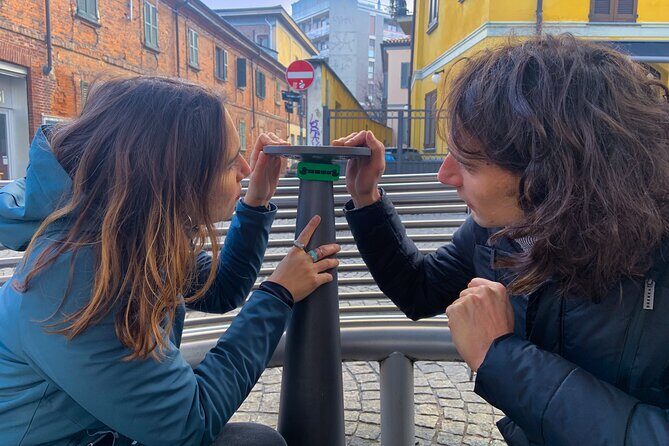
The route heads toward Wipkingerpark, which is a natural place for a “last steps” phase in a city game. Parks help the atmosphere shift from streets to open air, and they usually provide more “space” for stopping, comparing clues, and making decisions as a team.
Also, a park endpoint is smart for timing. The experience runs about 1 hour (approx.), so you’re likely to feel the pacing ramp up as you near the end.
Based on the way people describe the experience, the challenge has enough depth to keep you wanting more. If the game offers multiple sections or parts (people talk about wishing they had time to do part 2), then plan your day so you’re not immediately rushing to your next stop. Treat it like an activity with a real finish line, not a quick add-on.
How the Sato Code app runs the game (and why teamwork is required)
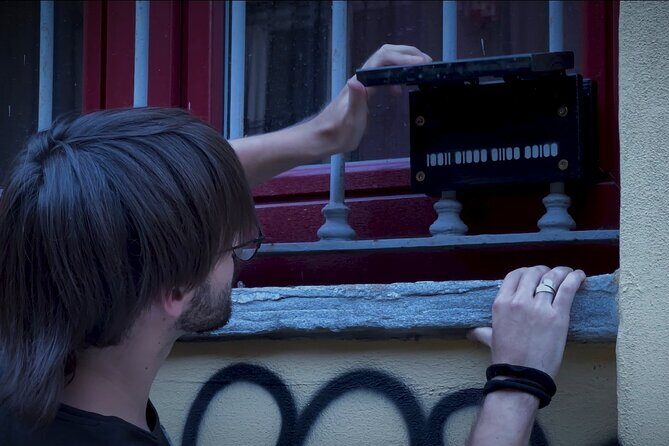
This is not a one-phone solo escape room. You need at least two participants, and each person needs their own smartphone. The Sato Code app provides different information to each player, and you combine it to solve the full puzzle chain.
That design is the difference between “team” as a marketing word and team as the actual mechanic. You can’t just split up. You must communicate, compare, and decide together, because one phone’s clue won’t be the whole answer.
A few practical things I’d do to make it smoother:
- Make sure both phones are charged before you start. The game expects you to stay plugged in.
- Confirm both apps are ready at the meeting point area, not mid-walk.
- If you have spotty coverage, plan a hotspot arrangement ahead of time. Internet is required on every phone.
The app-driven format also means you’ll spend more time thinking than wandering randomly. If you follow the clue flow, the route makes sense.



Price and value: what $18.56 buys you in Zurich
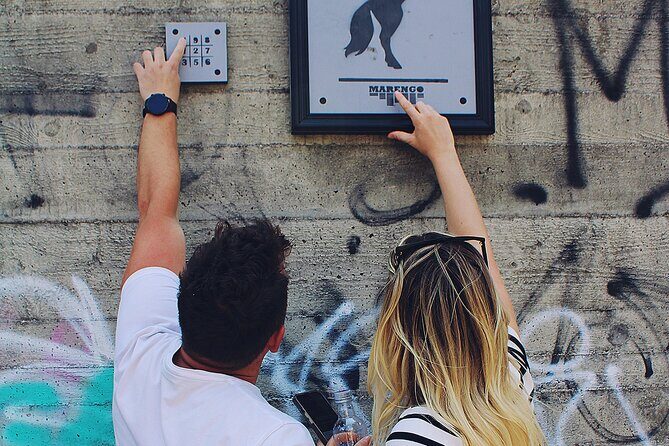
At $18.56 per person, this is priced in a way that feels like a fair deal for an hour of structured, interactive entertainment. Escape rooms can cost a lot more when you factor in guided staff time and a private space. Here, you’re getting a city-based puzzle experience that runs on your devices and uses real locations as the game board.
You’re paying for:
- A designed storyline (ARES)
- Phone-based puzzle delivery (app + clue system)
- A pre-set route that turns Zurich into an activity
- A team structure that keeps both people engaged
If your goal is pure sightseeing, you might spend less money on a self-guided walk. But if your goal is a mix of seeing places and doing something mentally engaging, the value is strong. Plus, it can slot nicely into a day where you already have lots of highlights planned.
Also, because it’s a private group experience, you’re not sharing the game with other random teams. That helps your group stay focused.
Difficulty level and who should take the challenge

The game is designed for adults, with active participation recommended from age 13 due to puzzle difficulty. If you’re traveling with kids who like escape rooms and problem-solving, it can work as a family activity. But if you’re bringing younger kids unaccompanied, it’s not recommended.
I’d also think about your group’s style. This is best for people who enjoy:
- figuring things out together
- reading and interpreting clues carefully
- working through “wait, that can’t be right” moments
If your group prefers casual strolling, this may feel like homework on a vacation. But if you like a challenge, it’s the kind of experience that makes your day feel more memorable than another photo stop.
One note from people who really seem to have enjoyed it: if there’s a hard mode option in the Sato Code setup, it’s worth choosing for more satisfaction. The same goes for anyone who hates finishing too fast—if you want a longer brain workout, crank up the challenge setting.
Logistics you can’t ignore: phones, internet, and timing
A few details can make or break your run, so take them seriously:
- Internet required on every phone: if only one person has data, use your hotspot so both devices stay online.
- Tickets by SMS: you’ll receive what you need via text, so don’t assume you’ll get a paper ticket.
- Charged smartphones: bring power discipline. No one wants to watch the battery meter during a puzzle.
- Comfortable shoes: you’ll be walking between transit and the game’s route.
- Moderate physical fitness: it’s a city walk, not a couch activity.
Timing-wise, the site is open daily from 8:00 AM to 11:30 PM. With an experience length of about an hour, you can usually fit it into a half-day plan without wrecking the rest of your schedule.
Should you book Sato Code in Zurich? My take
Book it if you want Zurich with teeth—puzzles in real streets, a story (ARES), and a team mechanic that forces real collaboration. The best match is a couple, a small group of friends, or a family with older kids who genuinely enjoy escape-room-style thinking. If you love interactive challenges and you’re okay with walking and coordinating with two phones, this is a great value use of your time.
Skip it if your group wants a mostly passive activity, or if you can’t reliably manage two smartphones with internet and battery. In those situations, the mechanics can get frustrating fast.
If you’re on the fence, I’d still lean “yes” because it’s short (about an hour) and it’s built to be fun even when puzzles get tough. Just give yourself enough time in your schedule to finish cleanly—and bring charged phones like you mean it.
FAQ
Where does the Sato Code escape room start and end?
The activity starts at Prime Tower, 8005 Zürich, Switzerland, and it ends back at the same meeting point.
How long does the experience take?
The escape room game is listed at about 1 hour (approx.).
What language is the game offered in?
It’s offered in English.
How many people do you need to play?
You need a minimum of 2 participants, and it’s a team game.
Do both players need a smartphone?
Yes. Each participant needs their own smartphone, since the Sato Code app provides different information to each person.
Is internet required during the game?
Yes. Internet is required on every phone. If only one phone has internet, you can use your hotspot.
Is it suitable for kids?
It’s recommended for active participation starting at age 13. It’s not recommended for children under 16 unaccompanied, since the puzzles could be too difficult.
What should I wear or bring?
Wear comfortable shoes for walking. Make sure your smartphones are charged, and have the Sato Code app ready.
What if plans change last minute?
Free cancellation is available up to 24 hours before the experience starts for a full refund. If you cancel less than 24 hours before, the amount paid is not refunded.