REVIEW · ZURICH
Jungfraujoch Day Trip from Zurich: Swiss Alps & Bernese Oberland
Book on Viator →Operated by Best of Switzerland Tours · Bookable on Viator
Jungfraujoch feels like stepping onto another planet. This Zurich-to-alps day trip strings together big mountain transport (gondola plus cogwheel train) with multiple high-altitude stops so you get the Swiss Alps highlight reel without planning it yourself.
I really like that the visit is structured: you get the Alpine Sensation discovery tour plus timed access to the Sphinx Observatory and the Ice Palace. My main caution is that it’s a long, cold day at altitude—plan your layers and pacing so you don’t feel rushed or wiped out.
In This Review
- Key things I’d circle on your map
- From Zurich’s Sihlquai to the Bernese Oberland countryside
- Interlaken stop: a quick breather between two lakes
- Grindelwald and the Eiger Express: where the views get serious
- Jungfraujoch Top of Europe: Alpine Sensation and the 11,332-foot arrival
- Sphinx Observatory: the Aletsch Glacier spotting game
- Ice Palace tunnels: short visit, very cold reward
- The way down and the Wengen to Lauterbrunnen reset
- Timing, altitude, and packing so the day feels smooth
- Price and value: what you’re really paying for
- Should you book the Jungfraujoch day trip from Zurich?
- FAQ
- What time does the tour start, and where do I meet?
- How long is the Jungfraujoch day trip from Zurich?
- What attractions are included at Jungfraujoch?
- Does the tour include food and drinks?
- What transportation do I use during the day?
- Is the tour offered in English?
- Do I need to bring warm clothing and shoes?
- Is there a minimum time you’ll spend on Jungfraujoch?
- Can I cancel for a full refund?
- Is there a limit on group size?
Key things I’d circle on your map
- Cable car + cogwheel train route to the Top of Europe: it’s built for comfort and views, not logistics headaches.
- Alpine Sensation at Jungfraujoch: a guided discovery experience timed for your arrival.
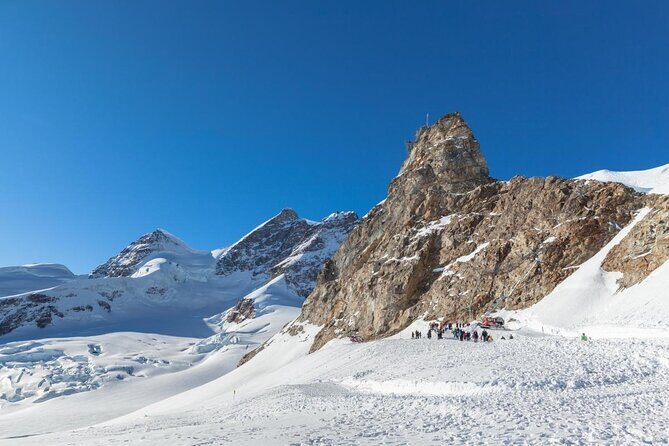
- Sphinx Observatory and Aletsch Glacier: your best chance to spot the Aletsch Glacier, the Alps’ longest glacier.
- Ice Palace tunnels: short, very cold, and weather-dependent—go in ready to move.
- Stops through Bernese Oberland (Interlaken and Wengen): you get more than one “mountain postcard” moment.
- Small group size (max 48): usually easier to track, even on busy days.
From Zurich’s Sihlquai to the Bernese Oberland countryside
You start at 8:00am at Sihlquai Bus Station near Zurich train station. The morning is built around a comfortable coach ride, and that matters more than you’d think—this is about 12 hours total, and you’ll want your legs for the mountain portion.
As you head out, you’re not just watching the countryside go by. The guide gives context for the Bernese Oberland region as you travel, so when the peaks start showing up, they come with names and meaning (Eiger, Mönch, Jungfrau). It’s a smart way to turn “bus window scenery” into something you actually remember.
One practical thing: bathrooms are limited until you hit the stops. I’d follow the same advice I always use for long coach days—use facilities early, bring water, and keep snacks handy for when you can’t eat at every moment.
A few more Zurich tours and experiences worth a look
Interlaken stop: a quick breather between two lakes
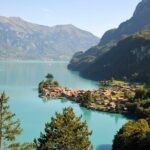
Interlaken is a short break—about 30 minutes—and it’s meant to reset you before the mountain machinery starts. It’s located between Lakes Brienz and Thun, and even a quick walk gives you that classic Swiss “lake town” feel.
Keep expectations realistic: this is not a full Interlaken sightseeing day. It’s enough time to stretch your legs, grab a coffee, and get your bearings. One small tip from the real world: a public bathroom in Interlaken may cost 1 Swiss franc if you don’t stop at a café—so if you’re going to use a restroom, plan for that.
If you’re trying to maximize comfort, I’d use Interlaken to do two things:
- quick bite or drink for later
- layer check before Grindelwald and the summit cold
Grindelwald and the Eiger Express: where the views get serious
From Zurich, you reach Grindelwald and switch to the Eiger Express gondola (connected via the V-Cableway). This is one of those “you’ll feel it in your stomach” rides, because it’s designed to lift you quickly into steeper terrain—and suddenly the mountains are much closer.
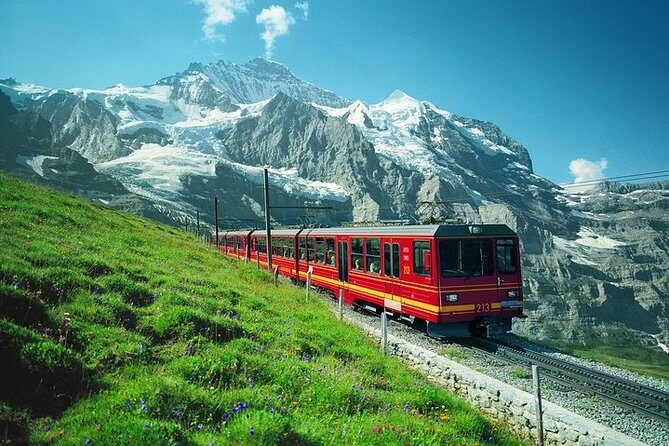
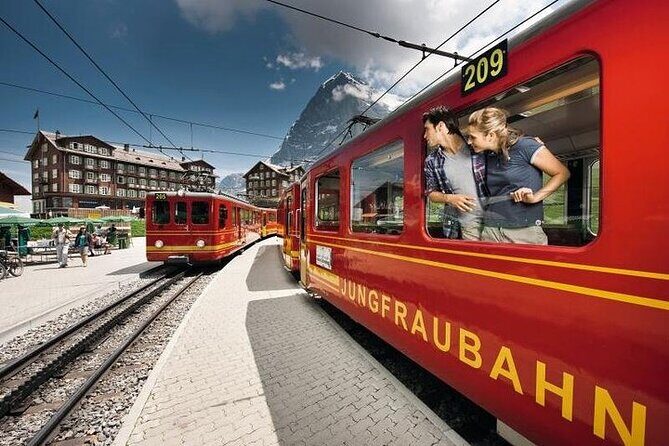
You ride up to the Eiger Glacier station, then change for the cogwheel train to Jungfraujoch. That train transition is a key moment: it’s not just transport, it’s part of the experience. The Eiger’s North Face looks huge, like you could almost reach it—especially when you’re surrounded by snow-heavy terrain.
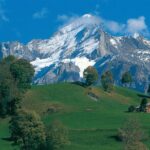
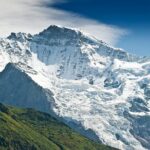
The trip up is also where the UNESCO “wow” factor lands. You’re looking toward the Eiger, Mönch, and Jungfrau triple-peaks backdrop, and it becomes obvious why this area gets so much attention.
Practical tip: if you tend to get cold easily, treat the Grindelwald-to-top section as your cold-weather peak. Don’t wait until you’re already uncomfortable to start adjusting layers.
Jungfraujoch Top of Europe: Alpine Sensation and the 11,332-foot arrival
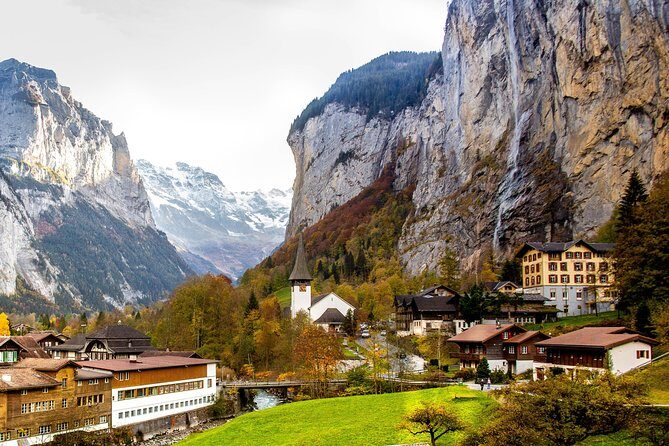
When you arrive, you’re at 11,332 feet (3,454 meters). That altitude is real. Even with indoor/outdoor attractions, you’ll notice it in your breathing and stamina, so don’t treat this like a casual walk through a museum.
The tour includes the discovery experience Alpine Sensation, described as marking the 100-year anniversary of the Jungfrau Railway. In practice, that means you’re not standing around wondering what to look at. You have a structured way to understand what you’re seeing—ice, rock, and the glacial environment—so the “I’m up here!” feeling has some substance.
Also, the itinerary is clear that a minimum stay of 2 hours on the top is always guaranteed. That’s reassuring if weather shifts timing or if you end up with slower-moving groups.
If you want to photograph well, do it smart:
- take photos early while you still have energy
- then slow down for the big panoramic stops
- keep your sunglasses on and your gloves ready—thin coverage gets annoying fast at the summit
Sphinx Observatory: the Aletsch Glacier spotting game
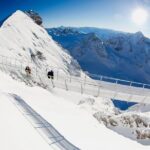
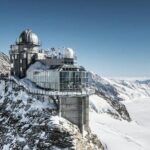
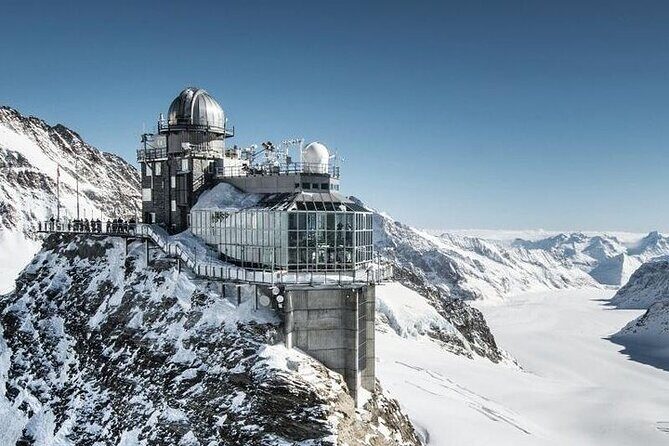
After Alpine Sensation, you head to the Sphinx Observation Terrace and Plateau. You get about 15 minutes for the observation viewpoints, and this is the part many people remember most.
Why? You’re positioned for dramatic panoramas: snow-capped peaks, nearby countries, and—if visibility is kind—the Aletsch Glacier, the Alps’ longest glacier. Even if you can’t identify every ridge, the scale hits you. It looks engineered by weather and time, not by humans.
This is also where crowd management becomes important. Jungfraujoch can be busy, and the best views can mean shoulder-to-shoulder movement. I’d treat your 15 minutes like a plan:
- move to the best angles first
- then linger where the views feel most open
The good news: you’re not stuck forever. It’s short enough that you can enjoy it instead of feeling “trapped in a queue.”
Ice Palace tunnels: short visit, very cold reward
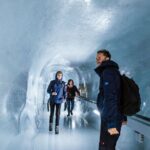
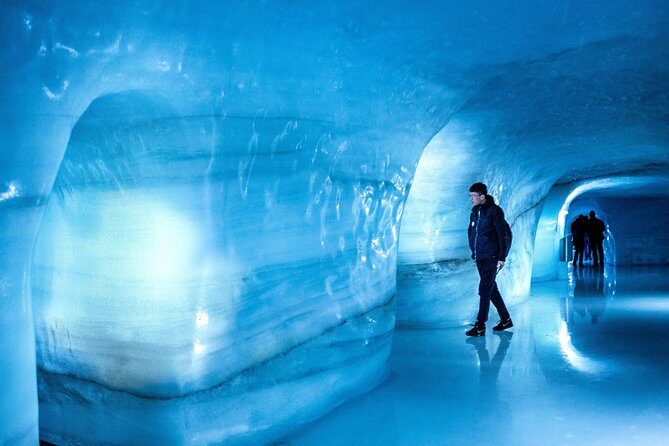
Next is the Ice Palace. The visit is only about 10 minutes, but it’s distinct: you stroll through frozen tunnels carved from solid ice.
This stop is weather permitting, so if conditions aren’t right, you may not get the full Ice Palace experience. If it runs, though, it’s a memorable break from standing outside. It’s also a great “change of pace” moment in the day—your eyes need a different kind of texture after the wide mountain views.
Cold reality check: there’s no clothing or shoe rental up on Jungfraujoch. The tour strongly recommends bringing warm gear: a warm jacket, shoes with a solid rubber sole, and sunglasses. The terrain is snowy all year, so good footing matters more than you’d expect.
If you’re tempted to wear light sneakers or fashion shoes, I’d rethink it. The whole day works best when your feet feel steady and your hands feel warm enough to take photos without dropping your phone.
The way down and the Wengen to Lauterbrunnen reset
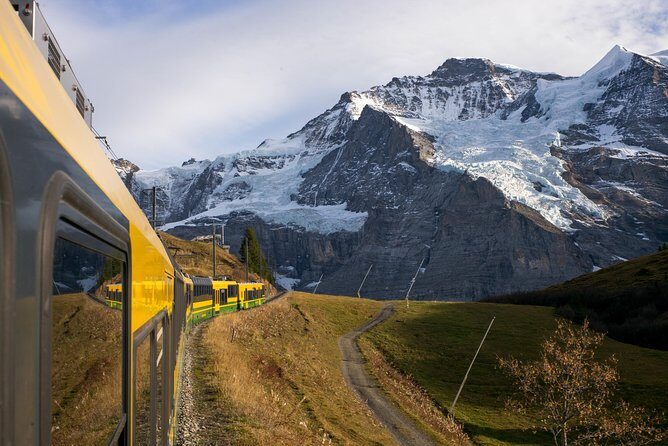
After the Top of Europe portion, you descend on the cogwheel train and pass the holiday resort town of Wengen, then continue to Lauterbrunnen, where the coach waits for the return to Zurich.
This part is helpful because it changes the mood. You’re done with the high-altitude “main event,” and the trip becomes calmer. You can take a breath, check your photos, and settle in for the ride back.
One note from real-world experience: bus rides can feel longer than you expect once everyone is tired. It helps to have snacks ready for the later stretches, since eating on the bus isn’t part of the plan.
Timing, altitude, and packing so the day feels smooth
This is where I think most first-timers either thrive or struggle.
You’re spending a long day on a fixed schedule. Even if you’re not into hiking, you still have walking time at each stop—plus standing outdoors while the views do their thing. Altitude makes that feel bigger than it would at sea level.
Here’s how I’d pack for this specific tour:
- Warm jacket (seriously)
- Gloves + hat or scarf (you’ll be glad)
- Solid rubber-sole shoes for snow and slick surfaces
- Sunglasses (snow glare is real)
- Sun protection for your face, if you’re going during brighter weather
- Water and snacks for the stretches where you can’t eat on the coach
Also keep in mind the tour suggests you should have moderate physical fitness. It’s not a steep climb like a hike, but you will be moving with cold and altitude in the mix. The guidance also notes it’s not recommended for pregnant women from the 7th month, and not recommended for children under 2 due to pressure equalizing and fluid needs.
If you’re prone to feeling lightheaded at altitude, take it slower at the summit. Sit when you can. Sip water. Don’t force a sprint of photos right away.
Price and value: what you’re really paying for
At $386.89 per person, this isn’t a “cheap bus to the mountains” type of day. The value comes from what’s bundled:
- transportation by air-conditioned coach
- the Eiger Express cable car plus the cogwheel train
- reserved/preferred boarding (which reduces stress)
- the Alpine Sensation experience
- access to Sphinx Observatory and Ice Palace (weather permitting)
- a professional multilingual guide
- carbon-balanced operations certified by myclimate
What’s not included is also clear: food and drinks (so plan for summit-meal pricing), and personal expenses. If you eat at restaurants at the top, expect it to cost extra.
In other words, you’re paying for the hard part: getting high into the Jungfrau region efficiently, safely, and with interpretation. If you tried to piece this together on your own, you’d still deal with train changes, altitude timing, and the same busy-season constraints.
On guide quality, the reviews are strikingly consistent. Names that came up include Lars, Andrea, Fernando, Min, Monica, Olga, Eduardo, Roberto, and Phillips. The through-line: guides do a great job of keeping the day moving and pointing out what to look for so you’re not just tagging along.
Should you book the Jungfraujoch day trip from Zurich?
I’d book it if you want the Swiss Alps biggest hits in one day with minimal planning. It’s especially worth it if you don’t want to manage connections, snow timing, or ticket logistics while also dealing with the reality of altitude.
I’d think twice if:
- you hate long days on a fixed schedule
- you’re sensitive to altitude and aren’t sure you’ll handle it well
- you’re hoping for lots of free time to wander slowly without structure
If you’re comfortable dressing for cold, keeping a steady pace, and going with the flow, this is one of those rare day trips where the time spent in transit actually pays off. By the time you reach the Sphinx viewpoints and the Ice Palace, you’ll understand why so many people treat Jungfraujoch as a must-do.
FAQ
What time does the tour start, and where do I meet?
The tour starts at 8:00am at Sihlquai Bus Station, Limmatstrasse 2, 8005 Zürich, Switzerland. The tour ends back at the same meeting point.
How long is the Jungfraujoch day trip from Zurich?
The duration is about 12 hours.
What attractions are included at Jungfraujoch?
You get admission to Alpine Sensation, Sphinx Observation Terrace and Plateau, and the Ice Palace. Ice Palace entry is weather permitting.
Does the tour include food and drinks?
No. Food and drinks are not included, and the guide stops at Interlaken for a short break. You can purchase meals at summit restaurants on your own.
What transportation do I use during the day?
You ride a coach from Zurich, then use the Eiger Express cable car and the cogwheel train to reach Jungfraujoch, with a return by train down and coach back to Zurich.
Is the tour offered in English?
Yes. The tour is offered in English, and the guide is described as multilingual.
Do I need to bring warm clothing and shoes?
Yes. You’re advised to bring a warm jacket, shoes with a solid rubber sole, and sunglasses. There is no possibility to rent clothes or shoes at the top.
Is there a minimum time you’ll spend on Jungfraujoch?
Yes. A minimum stay of 2 hours on the top of Jungfraujoch is guaranteed.
Can I cancel for a full refund?
Yes. You can cancel for a full refund if you cancel at least 24 hours before the experience start time. Cancellation less than 24 hours before start time is not refunded.
Is there a limit on group size?
Yes. The maximum group size is 48 travelers.