REVIEW · ZURICH
The Secret Doors of Zurich
Book on Viator →Operated by LocalBini - The go-to platform for Experiences by Locals in Switzerland · Bookable on Viator
Zurich has more than clock towers and chocolatier windows. This short, small-group walk centers on three secret doors in the old heart of the city, plus the history you would never guess from the street.
What I like most is the chance to see historical spots you usually miss, and to get a guide-led story that ties those places into one clear picture.
The trade-off? This is a walking tour, and you should plan for real time on your feet. One reviewer even noted it felt longer and more active than expected, so set your expectations for pace and distance.
In This Review
- Key takeaways before you go
- Why Zurich’s secret doors tour beats the usual old-town loop
- Meeting at Neumarkt: the practical start (and the finish you can use)
- The small-group experience: up to 8 people, real conversation time
- Stop 1: three hidden doors and the archaeological leftovers of Zurich
- Stop 2: the last remnants of old Zurich through a door-to-door story
- Stop 3: photos, stories, and the kind of Zurich details you can’t Google
- The walk itself: how long, how active, and how to plan your day
- Learning the story: what “Zurich history” means on this route
- Price and value: what you’re paying for at $184.75 per person
- Included vs. not included: plan your spending and transport smartly
- Who should book this tour (and who should skip it)
- After the tour: how to keep the momentum in Zurich
- Should you book The Secret Doors of Zurich?
- FAQ
- How long is The Secret Doors of Zurich?
- How big is the group?
- Where do I meet and where does the tour end?
- What’s included in the price?
- What isn’t included?
- What languages is the tour offered in?
- Is there free cancellation?
- Is the tour accessible for people with impaired mobility?
Key takeaways before you go
- Small group (up to 8): easier questions, more back-and-forth, and fewer people to compete with for attention.
- Three door moments: the core experience is built around key access to hidden doorways and “leftover” bits of older Zurich.
- History you can actually place: you learn where things fit in Zurich’s past, not just random facts.
- Stops can flex: the route and timing can shift with weather and your interests, so it won’t feel like a rigid checklist.
- Pay attention to walking pace: it’s active enough that it may not suit everyone who wants a slow stroll.
- Your guide shapes the vibe: some guides (like Douglas and David, mentioned in feedback) earn special praise for how they handle stories and pacing.
Why Zurich’s secret doors tour beats the usual old-town loop
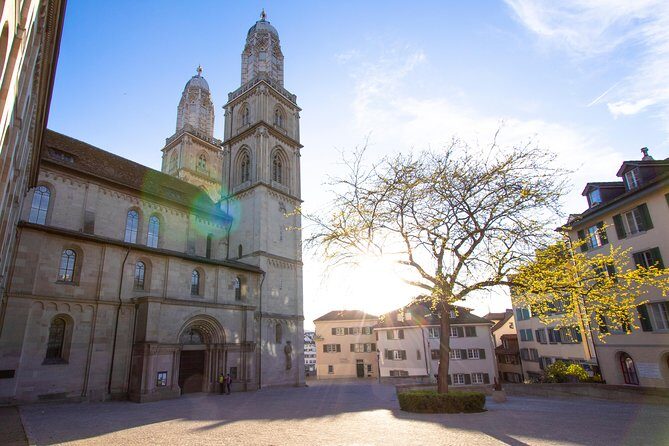
If you’ve been to Zurich before, you might think you’ve seen it all: Bahnhofstrasse, Lake Zurich views, the parade of postcard buildings. This tour nudges you off that main line. Instead of chasing big scenery, it focuses on small, specific places—doorways and remnants of earlier Zurich—that sit in plain sight, but rarely get attention.
The best part is the format. It’s about getting the “key” to understand the city, literally and in how you see the streets afterward. You don’t just hear history. You watch it take shape around you.
You can also read our reviews of more tours and experiences in Zurich.



Meeting at Neumarkt: the practical start (and the finish you can use)
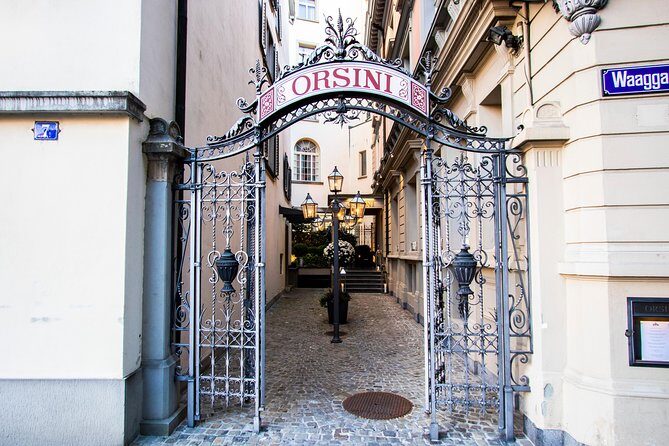
The tour starts at Neumarkt 4, 8001 Zürich and ends at Neumarkt 13, 8001 Zürich. That matters because Neumarkt is easy to reach with public transport, so you can keep your day simple. You can also use the end point to continue on your own without feeling “dropped in the middle of nowhere.”
It runs about 2 hours and works as a focused evening plan or a handy daytime reset. You’ll be out with a local guide in an intimate group, which usually means you can ask follow-up questions without feeling rushed.
The small-group experience: up to 8 people, real conversation time
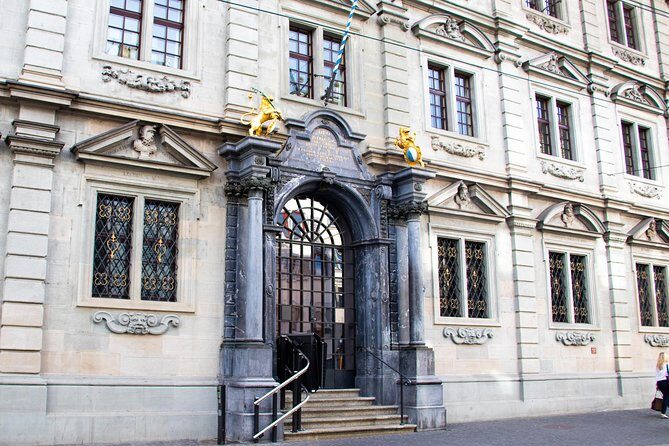
With a maximum of eight guests, this type of tour tends to feel more like a guided walk with a friend than a bus-style lecture. That size helps for two reasons:
First, the guide can slow down for your pace. The route adapts to your interests and how fast you walk. Second, you’re more likely to get direct answers instead of generic “everyone should see this” info.
One note from feedback: some people felt the walking was on the longer side, so the small group won’t automatically mean “easy going.” It just means you’re more connected to the guide and the story.
Stop 1: three hidden doors and the archaeological leftovers of Zurich
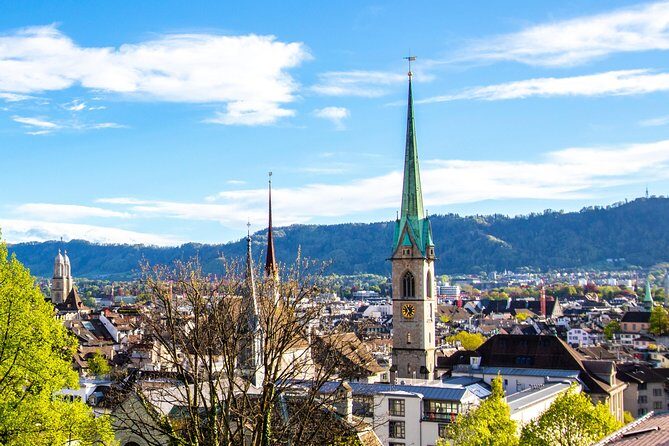
The experience kicks off with the premise: there are three hidden doors in the heart of Zurich, and you can get the key to open them. That’s a big part of the “secret doors” appeal. It turns Zurich from a showpiece into a lived-in place with layers.
At this first stop, you’re guided toward the idea of archaeological leftovers—bits of older Zurich that still echo underneath the city’s current layout. Even if you don’t know Zurich’s timeline cold, the guide should connect these remnants to what came before, and why older street patterns and building traces matter.
What to look for:
- Doorways that seem ordinary until someone points out why they’re there
- Architectural or site cues that signal earlier structures
- The explanation that helps you “read” the street in a new way
Stop 2: the last remnants of old Zurich through a door-to-door story
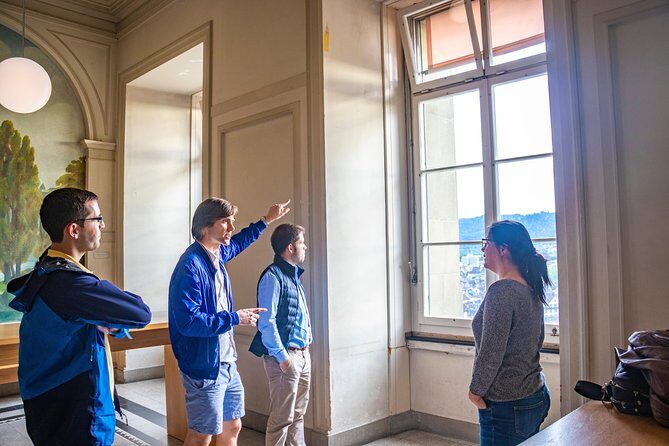
The second stop is built around walking through another door and seeing what the guide calls the last remnants of old Zurich. This is where the tour becomes more than sightseeing. You start to understand how Zurich changed—how older areas got repurposed, covered, or left behind in fragments.
This kind of stop is great for you if you like history that feels physical. It’s one thing to view a museum display. It’s another to stand near a doorway and hear how that site fits into the city’s evolution.
Possible drawback to keep in mind: the core promise is door access, but outcomes can depend on the moment and how the guide runs the walk. If seeing the doors themselves is your main goal, go in ready to ask the guide to clarify what you’ll actually see during the session.



Stop 3: photos, stories, and the kind of Zurich details you can’t Google
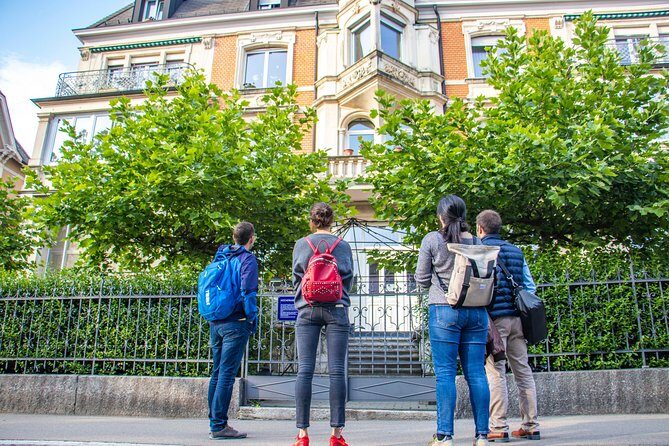
The tour’s last active segment is where you get a chance to make pictures and hear incredible stories. This is the payoff phase, when you start spotting connections between the places you’ve already visited and the larger Zurich narrative the guide has been building.
This is also where the guide’s style matters. In feedback, guides like Douglas were praised for strong knowledge and patience, and David for guiding people through multiple door moments with a lot of information. In real terms, that means you should expect clear explanations and time to ask questions—if the pace allows.
For your photos, focus on:
- Door frames and thresholds (the tour theme will train your eye)
- Any visible traces that hint at older building layouts
- Nearby street details that the guide links to Zurich’s past
The walk itself: how long, how active, and how to plan your day
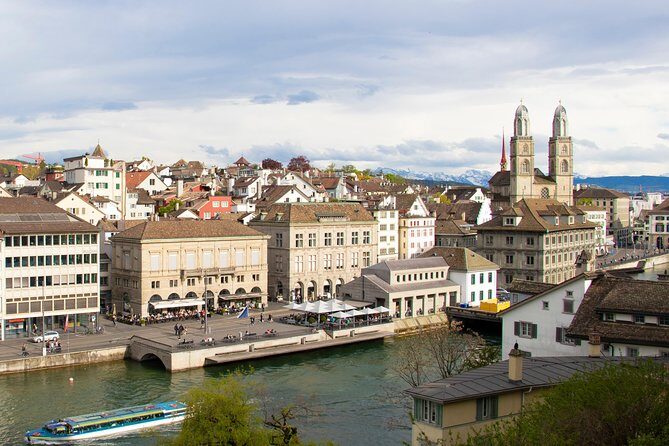
This is a 2-hour walking tour in central Zurich. That sounds simple, but walking length can feel different depending on your pace and the weather. One reviewer specifically suggested that the walking length wasn’t clear enough, which is fair.
So plan like this:
- Wear comfortable shoes you can walk in for a solid stretch
- Keep your next stop flexible, since you’ll want a little time to regroup afterward
- If you hate surprises, check what kind of pace the guide expects on your date
Also, stops can vary depending on weather conditions. That’s normal for an outdoor walking experience, but it’s another reason to stay flexible.
Learning the story: what “Zurich history” means on this route
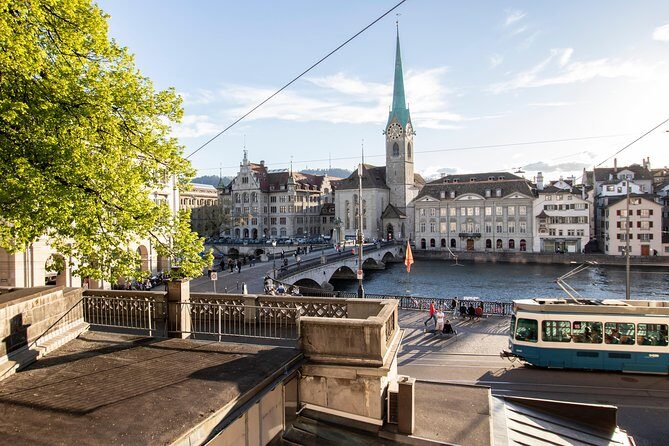
The tour isn’t just about opening doors. It’s about understanding what you’re looking at. A good guide should help you connect:
- older traces and remnants
- the reasons certain areas changed over time
- what makes Zurich’s development distinct compared with other Swiss cities
One negative comment mentioned a guide who didn’t nail basic river facts tied to Lake Zurich, and another said the doors didn’t seem to be opened during their experience. Those are reminders that guide quality and session flow can affect how satisfying the content feels.
Your best move: come with two or three questions ready. For example:
- What period are we seeing most clearly here?
- How do these remnants connect to what Zurich looks like today?
- If this is a layered city, what should I look for next on my own?
That turns the tour into a conversation, not a passive lecture.
Price and value: what you’re paying for at $184.75 per person
At $184.75 per person for about 2 hours, the price isn’t “cheap lunch money.” You’re paying for access, guide storytelling, and the small-group experience.
Here’s what justifies the cost:
- Up to 8 people means less crowding and more interaction
- A local guide handles the history in a way that makes the street-level clues make sense
- You get personalised recommendations, which helps you keep exploring after the walk
- The tour centers on door access tied to the experience theme, not just general sightseeing
It may feel less good value if you wanted a slow, scenic stroll with minimal walking. And if your priority is a long list of big-name attractions, you might find this more “specific and story-heavy” than “tourist-bucket-list.”
In other words: it’s priced for people who enjoy history as an on-foot puzzle.
Included vs. not included: plan your spending and transport smartly
Included in the price:
- A local guide
- Small-group experience
- Personalised recommendations
Not included:
- Personal expenses
- Entry tickets for transportation, museums, and monuments (so if you plan to add stops afterward, budget for them)
You’ll also want to handle your own local transport to and from Neumarkt, though the area is near public transportation. This keeps the tour easy to slot into your day without complicated logistics.
Who should book this tour (and who should skip it)
This fits you well if:
- You like walking tours with story and context, not just photo spots
- You want a different side of Zurich than the standard sightseeing route
- You enjoy history that you can point to in real space, like doorways and remnants
- You’re traveling with a group vibe that likes questions and conversation
Skip (or choose something else) if:
- You want a mostly seated, low-walking outing
- You need step-free or easier mobility support; the tour is not recommended for guests with impaired mobility
- You’re expecting guaranteed door access as the only highlight, regardless of conditions—door opening is part of the concept, but the session experience can vary
Service animals are allowed, which is a helpful detail if that applies to you.
After the tour: how to keep the momentum in Zurich
This tour ends back at Neumarkt, which is a smart launching point. Since the guide shares personalised recommendations, you’ll leave with ideas for what to do next in the city’s center.
A practical approach:
- Take 10 minutes after the tour to jot down the two or three places your guide suggested
- Choose one area to explore deeply rather than chasing everything
- Keep an eye out for older traces and “almost invisible” architectural clues—you’ll notice more now
The biggest win is that you’ll see Zurich as layered, not just pretty.
Should you book The Secret Doors of Zurich?
I think you should book this if you want Zurich history in walking form, especially with a small group and a guide who’s able to connect the dots. The price makes sense when you care about access, stories, and leaving with a better sense of how the city works.
The main reason to pause is if you’re sensitive to walking time or if you’re hoping for a guaranteed door-open event with zero variability. If that matters to you, bring a couple questions and set expectations for an active, guided experience.
If you like cities that reward attention to details, this is one of the more fun ways to meet Zurich after the postcard stops.
FAQ
How long is The Secret Doors of Zurich?
The tour lasts about 2 hours.
How big is the group?
It’s a small group with a maximum of eight travelers.
Where do I meet and where does the tour end?
Meet at Neumarkt 4, 8001 Zürich, Switzerland and end at Neumarkt 13, 8001 Zürich, Switzerland.
What’s included in the price?
A knowledgeable local guide, the small-group experience, and personalized recommendations are included.
What isn’t included?
Personal expenses and entry tickets for transportation, museums, and monuments are not included.
What languages is the tour offered in?
The tour is offered in English.
Is there free cancellation?
Yes. You can cancel for a full refund up to 24 hours before the experience starts. Within 24 hours of the start time, refunds aren’t available.
Is the tour accessible for people with impaired mobility?
The tour is not recommended for guests with impaired mobility, though it’s near public transportation and service animals are allowed.