REVIEW · BASEL
Alsace wine tour and medieval villages. Small group guided tour
Book on Viator →Operated by WineWeinVinoVin · Bookable on Viator
Alsace wine and storybook villages make a strong combo. This small-group day pairs a smooth Basel pickup with guided stops in places like Eguisheim and Riquewihr, plus real tastings at boutique wineries.
What I like most is the focus on hands-on wine tasting rather than just photo stops, with guide Colin Bell bringing the history and the how-it’s-made details into the drive.
One thing to consider: food and drinks aren’t included, so plan your lunch break (or bring a snack) and be ready to pay at the wineries or restaurant.
In This Review
- Key highlights to know before you go
- Basel-to-Alsace: how this tour keeps things easy
- Your guide and the vibe: what Colin Bell brings to the road
- Eguisheim vineyards: the first tasting and the right warm-up
- Riquewihr medieval streets and the Schonenbourg clue
- Ribeauville and Kientzheim: adding more villages, more perspective
- How many wineries and tastings you’ll fit in
- Food planning: you’ll want a strategy
- Price and value: what $365.53 buys you
- What’s worth doing (and what to skip) based on how the day flows
- Who this tour fits best
- Should you book this Alsace wine tour from Basel?
- FAQ
- How long is the Alsace wine tour from Basel?
- What time does the tour start?
- Is there a half-day option?
- Can the tour pick me up from my Airbnb?
- Is the tour in English?
- What’s included in the ticket price?
- Are meals included?
- Is the group private?
- What if weather cancels the tour?
Key highlights to know before you go
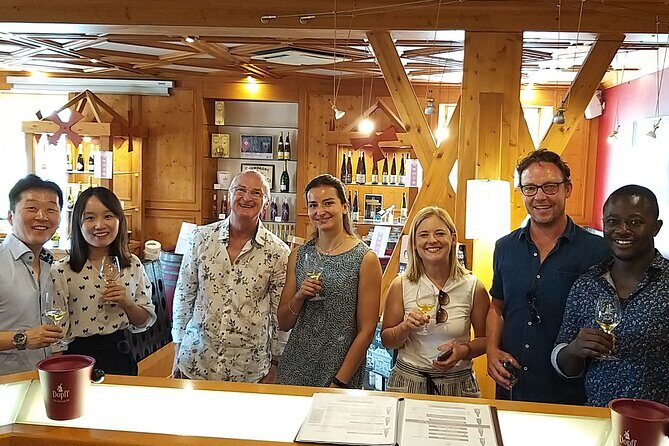
- Small group feel (2–6 people): easier questions, more time with the winemakers, less rushing.
- Colin Bell’s in-car wine education: local wine history and the region’s background starts before your first tasting.
- Tastings at small, family-run wineries: more personal than big commercial stops.
- Medieval villages you’ll actually walk: Eguisheim and Riquewihr are built for slow wandering.
- Your wine interests can guide the day: the tastings can be tailored to what you like.
- Admission and wine tasting included: you’re not scrambling to budget just to sample.
Basel-to-Alsace: how this tour keeps things easy
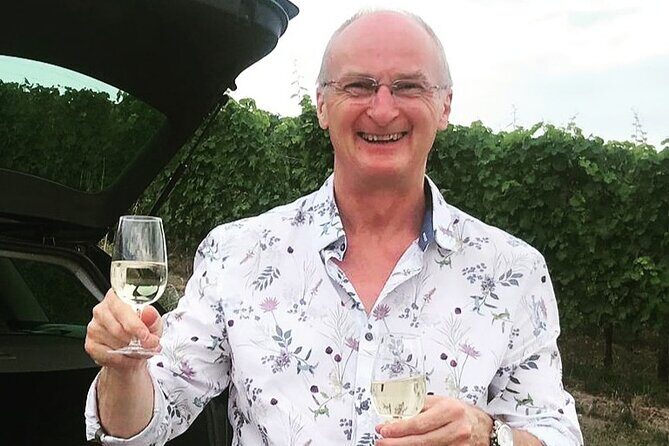
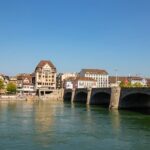
If you’re basing yourself in Basel, getting into Alsace can feel like a logistics puzzle. This tour removes the hard part: you meet in Basel, then a driver handles the driving so you can focus on the day itself. It starts at 9:00 am, and you return to your meeting point at the end.
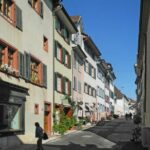
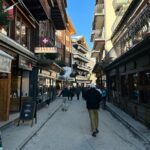
The best part is that it’s not only about wine. You also get medieval villages in the mix, with time to stroll rather than “walk-by and leave.” Eguisheim and Riquewihr are the two big walking stops, and they’re the kind of places where streets, walls, and signage help you understand what made these towns important long ago.
The tour runs about 6 hours on the standard schedule, and you can often match it to your pacing by choosing a half-day or full-day version. Either way, this is the kind of outing that works well when you want one great day instead of piecing together multiple half-days on your own.
You can also read our reviews of more guided tours in Basel

Your guide and the vibe: what Colin Bell brings to the road
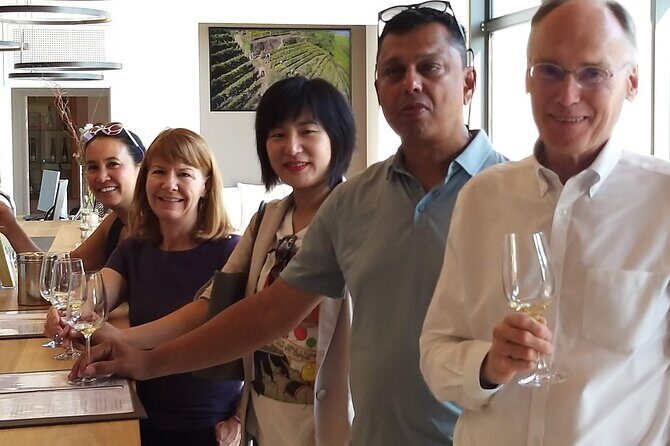
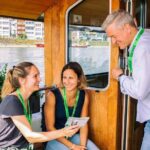
This is described as a private group experience with a small headcount, and the guide experience is clearly the centerpiece. In the best reviews, Colin Bell is repeatedly praised not just for wine talk, but for the way he turns the drive into part of the tour.
Here’s the practical payoff for you: when you arrive at each winery, you’re not starting from scratch. Colin can explain the region and the winemaking context, then you can ask better questions in the tasting room. Several reviewers specifically call out the technical level—things like how vineyards and production work, plus detailed answers when guests ask why certain flavors or styles show up.
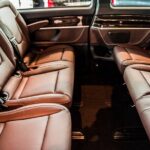
You’ll also notice the comfort factor. Reviews mention a clean car and clear commentary as the day moves between villages and wineries. If you’re the type who likes to understand what you’re seeing (instead of only tasting), this kind of guidance is worth real money.
Eguisheim vineyards: the first tasting and the right warm-up
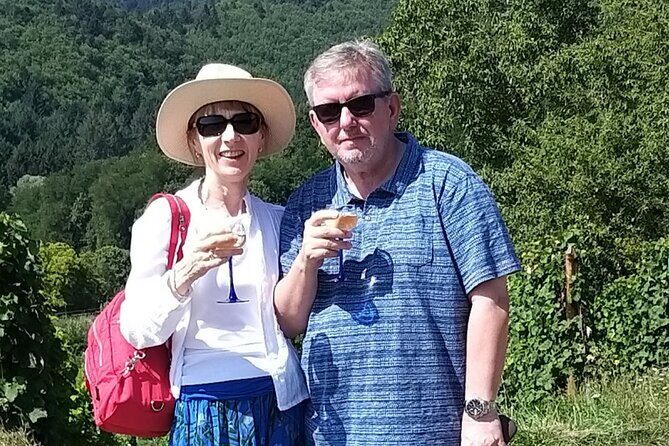
The day starts in Eguisheim, a town that’s all about walking, viewpoints, and that Alsace “vineyard-and-village” rhythm. Your first tasting is set up to ease you into the region rather than overwhelm you. The stop is timed so you can take in the area, then settle into the winery conversation.
What makes this opening stop valuable is pacing. When you start with a smaller, family-run setting, you get a feel for how Alsace producers talk about their work: the pride, the geography, and the idea of making wine from a specific place. The tour description highlights “chilled glass” moments among vines of Grand Cru vineyard areas, and that’s the tone you’re aiming for at stop one: vineyard proximity and personal attention.
One more smart detail: the tour is designed for small groups, so you’re more likely to get direct guidance during tastings. If you don’t know what to ask, your guide can steer you, and if you already have preferences, you can bring them up early so the day doesn’t waste your best energy.
Tip for you: wear comfortable shoes. Even early in the day, Eguisheim rewards slow walking, and the best part is often the side streets you didn’t plan.
Riquewihr medieval streets and the Schonenbourg clue
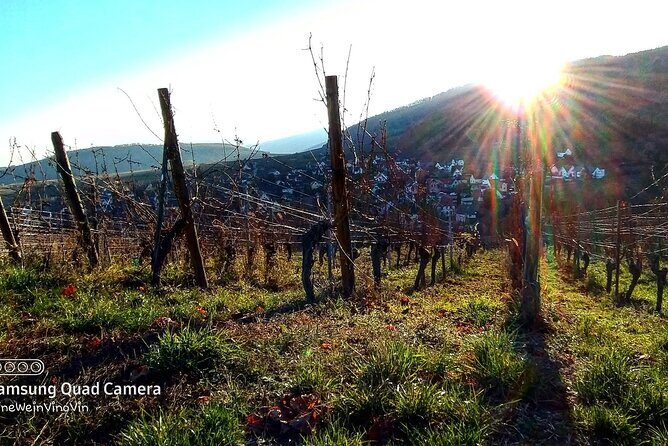
Next comes Riquewihr, and this stop has two layers. First, you’re there for the walking: historic, old-world village architecture and that enclosed, medieval feel. Second, you’re there for the wine logic behind the scenes.
The tour description points to the Schonenbourg Grand Cru, specifically noting its connection to top Rieslings. Even if you’re not a deep oenophile, knowing the Grand Cru framework helps you connect what you taste with where it comes from. That’s what turns a tasting into an experience you remember, not a quick sip then move on.
You’ll visit multiple wineries in this area (the tour’s Riquewihr section frames it as visits to three exceptional wineries), and that matters because Alsace styles can differ widely depending on producer choices and the vineyard setting. With a small group and a guide, you can compare instead of just accumulating.
Also, you’re not stuck in one room for the entire hour. The Riquewihr stop is structured so you get both: village time and winery time. That balance is the secret sauce. If you love places with character, Riquewihr is where the day really clicks.
Ribeauville and Kientzheim: adding more villages, more perspective
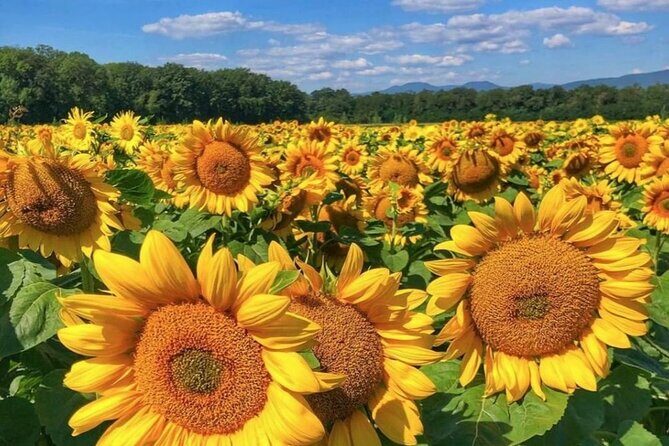
After Riquewihr, the itinerary continues with more of the region’s historic atmosphere—this time with Ribeauville and then Kientzheim.
Ribeauville is described as part of a medieval and castle-rich region, and the useful part for you is that it broadens the story beyond the “most famous postcard town.” If you want to avoid only seeing the biggest hits, this middle stretch keeps things interesting: you get more context on what life around wine looked like historically, not just a single spotlight town.
Kientzheim rounds out the day with another village setting tied to the wine route feel. It’s also where you can benefit from the small-group format. By then, you’ve already tasted, so you’re better at spotting what you like and noticing differences from winery to winery.
One helpful thing I’ve seen mentioned in reviews: Colin sometimes arranges a day that fits what people are actually interested in. For example, one review notes an extra village/winery flow and even a lunch reservation in the area. That tells me the guide isn’t rigid for the sake of it. If you tell him what you’re curious about, you’re more likely to get a day that feels personal rather than templated.
You can also read our reviews of more wine tours in Basel
How many wineries and tastings you’ll fit in
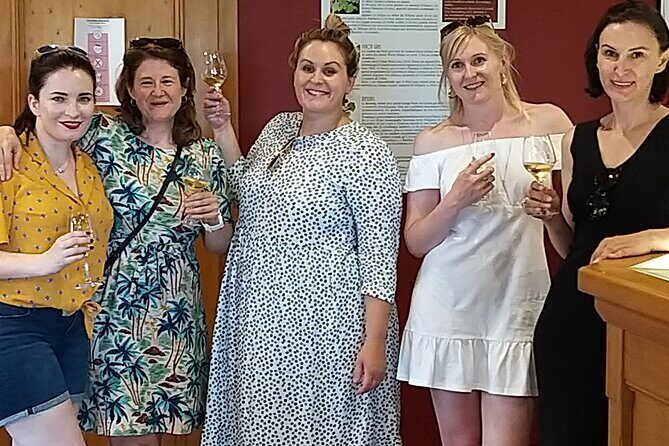
The included portion is clear: admission and wine tasting are part of your ticket. That’s important because it changes the feel of the day. You’re not paying separate tasting fees and then trying to figure out whether you can afford another sample.
In practice, the number of wineries can vary by how the day is running. Some reviews mention tasting at three wineries, while at least one review describes a fuller day with tastings at four incredible wineries and time to see a vineyard. So, if you book with the expectation of multiple cellar-door stops, you’re on the right track.
What you should take away as a decision-maker: the tour’s structure is built to support comparison. You’re tasting across different producers and using the drive commentary plus village context to understand the setting. That’s why people rate this tour so highly—the day isn’t just consumption. It’s meaning.
Food planning: you’ll want a strategy
Food isn’t included, and alcohol beyond tasting isn’t included either. That means you should plan ahead so the day stays fun, not stressful.
Here’s a practical way to handle it:
- Eat before you go. A 9:00 am start is early enough that a hearty breakfast helps.
- Keep the afternoon flexible. The tour includes winery time and village time, and you’ll likely want lunch somewhere in the Riquewihr area or nearby.
- If you like the idea of a sit-down meal, note that one review specifically says Colin made a reservation for lunch in Riquewihr. That suggests your guide can help with timing and selection, even though meals aren’t included.
Also, since you may buy wine to take home (some reviews mention purchasing quite a bit), it’s smart to think about transport. Pack a small bag for purchases and consider how you’ll carry them back on your train or next day travel.
Price and value: what $365.53 buys you
At $365.53 per person for about six hours, this is not a bargain-basement tour. The value comes from what you’re paying for: private guiding, a driver, admission and tasting fees handled, and the small-group approach that makes winery time more than a quick handshake.
To judge if it’s worth it for you, compare it to the cost of doing the same thing alone:
- You’d need transportation or a rental car.
- You’d still pay for winery admissions and tastings.
- You’d need a plan for which family-run places are actually worth visiting.
- You’d lose the guide layer that turns tastings into a coherent story.
The tour also runs in English, which helps if your wine interests include history and technical talk. Reviews praise the depth of the explanations, which is exactly the part you usually can’t replicate if you just “wing it” in the region.
So the real question isn’t only the price. It’s whether you want:
- guided context + tastings included,
- time in medieval villages,
- and a small group pace that lets you ask questions.
If yes, it’s a strong value.
What’s worth doing (and what to skip) based on how the day flows
This tour works best when you match your expectations to its rhythm. You’ll spend real time tasting, and you’ll also spend real time walking. That means you should:
- plan to do less sightseeing on your own the same day,
- avoid scheduling tight connections right after the tour ends,
- and pack for walking in old-town streets.
If you’re the type who hates wine tours and just wants a scenic drive, you might find it too focused on tastings. But if you’re curious and you like guidance, the day is built to give you both structure and flexibility.
Also, small group tours reward participation. Ask questions. Tell Colin what you like. One review highlights that tastings were tailored to preferences. That’s the kind of benefit that only happens when you engage a bit.
Who this tour fits best
This is a great fit if you:
- want a guided Alsace day starting from Basel,
- like tasting wine in small, family-run settings,
- enjoy medieval villages as more than a quick stop,
- and appreciate technical guidance plus story.
It’s also a solid choice for couples and small groups. The tour is described as private with only your group participating, and group size is limited (2–6). If you travel with friends, you’ll still get a personalized feel.
If you’re traveling solo, it can still feel social without being crowded—assuming the group size stays within that small range.
Should you book this Alsace wine tour from Basel?
Book it if you want a day that’s more than wine samples. This tour combines guided tastings with medieval village walking, and the standout element is Colin Bell’s blend of in-car history plus cellar-door technical explanations. That combination is exactly what keeps the reviews so consistently high.
Don’t book it if you’re only chasing a budget scenic day. The price reflects guiding plus tastings, and the day includes multiple winery stops. If you’re not into wine, you’ll likely spend more time than you want in tasting rooms.
My final practical advice: go in with two or three things you care about—like whether you prefer lighter or fuller styles, or what you want to understand about how the region produces its wines. Then lean on the guide. That’s when the whole day feels like it was built for you, not just scheduled for you.
FAQ
How long is the Alsace wine tour from Basel?
It runs about 6 hours (approximately).
What time does the tour start?
The start time is 9:00 am.
Is there a half-day option?
Yes. You can select a half-day or full-day Alsace wine tour.
Can the tour pick me up from my Airbnb?
Yes. Pickup can be arranged, including collection from your Air B&B.
Is the tour in English?
Yes, it’s offered in English.
What’s included in the ticket price?
Admission and wine tasting are included.
Are meals included?
No. Food is not included.
Is the group private?
Yes. Only your group participates.
What if weather cancels the tour?
It requires good weather. If it’s canceled due to poor weather, you’ll be offered a different date or a full refund.