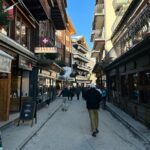
Basel has a special rhythm, and this walk helps you hear it. This self-guided audio tour uses your phone for navigation, plus offline-ready audio and maps. You’ll stitch together old-town sights like the Rhine bridges, Basel Minster, and fountains into one easy route.
What I like most is the flexibility: you can pause, detour, or move at your own speed without feeling left behind. I also appreciate the way the route support works—when you drift off, the app cues you so you can get back on track fast. One watch-out: you’ll need to bring your own smartphone (and plan for headphones if you prefer them), since those aren’t included.
If you’re expecting a loop with a return to the exact start point, you’ll want to note this one ends at Barfüsserplatz instead. And if you’re new to audio-tour apps, give yourself a few minutes to get the navigation working smoothly before you start walking.
In This Review
- Highlights Worth Your Time
- How the VoiceMap audio tour works in Basel (and why it’s practical)
- Price and pacing: a 1 to 1.5 hour walk that fits your day
- Stop-by-stop: from Marktplatz to Basel Town Hall and the Rhine bridges
- 1) Marktplatz: your starting point and the tour setup
- 2) Basel Town Hall: how the city’s seat of power changed over time
- 3) Middle Bridge and the Rhine split: Basel’s geography in motion
- 4) Les Trois Rois Hotel view: an iconic hotel moment from the bridge
- Augustiner Brunnen and the museum exteriors: fountains and early collections
- 5) Augustiner Brunnen: a fountain with a basilisk
- 6) Museum of Natural History: part of the city’s first universal museum
- 7) Museum of Cultures Basel: history and identity in another museum exterior
- Basel Minster and Pfalz: cathedral architecture plus Rhine views
- 8) Basel Minster (exterior): walking with architecture cues
- 9) Pfalz: Rhine viewpoints and more city history
- Tinguely Fountain to Stadtcasino Basel: playful design and big-city culture
- 10) Tinguely Fountain: design by someone you’ll want to remember
- 11) Theater Basel: the founder and why the venue matters
- 12) Stadtcasino Basel: home of the Basel Symphony Orchestra
- 13) Final walk to Barfüsserplatz: where the tour concludes
- What to bring and how to use it well (offline, on foot, and at your speed)
- Bring your own smartphone (and headphones if you want)
- Expect GPS nudges and learn the rhythm
- Use offline mode to save your battery and nerves
- Hot day tip: start earlier or later
- Stop duration and museum strategy: how to keep the day easy
- Who this self-guided Basel audio walk is best for
- Should you book this Basel hidden treasures audio tour?
- FAQ
- How long is the Basel self-guided audio tour?
- What language is the audio available in?
- Can I use the tour offline?
- Where does the tour start and end?
- Do I need to bring a smartphone or headphones?
- Is this tour private or shared?
- What is the cancellation policy?
Highlights Worth Your Time
- Offline audio and maps so you can keep going even with spotty cell service
- Smart turn-by-turn cues with an off-route warning if you stray
- A focused old-town route that hits major landmarks in about 1 to 1.5 hours
- English narration designed for self-paced walking
- Stops outside key sights, so you can keep your budget under control
- A good match for travelers who want history without hunting for tickets
How the VoiceMap audio tour works in Basel (and why it’s practical)
This is the kind of experience that removes friction from sightseeing. Instead of joining a group at set times, you start at Marktplatz and follow the audio prompts as you walk. Your phone acts like the guide: it tells you where to go next and keeps you aligned with the route.
The big win for real-world travel is the offline setup. You get offline access to audio, maps, and geodata, which matters in Basel because you’ll be moving through streets where signal can vary. You’re not stuck waiting for your phone to load narration at each corner.
The app experience also includes safety rails. If you go the wrong way or drift too far off course, you’ll get an alert. You’ll still have the map tools if you do get lost, but the whole point is to avoid the classic self-guided headache: wandering and then trying to figure out where you were supposed to be.
You can also read our reviews of more guided tours in Basel



Price and pacing: a 1 to 1.5 hour walk that fits your day
At $11.99 per person, this is priced like a low-cost “guided feeling” rather than a premium museum ticket. And for that kind of money, value comes from two things:
1) You get a full route with multiple landmarks, not just one or two stops.
2) You can take breaks without paying for extra time, since it’s self-paced.
Duration is listed around 1 hour to 1.5 hours, depending on how slowly you walk and how many times you stop for details and photos. That’s a smart length for Basel’s compact center—you can do it before lunch, after lunch, or as a warm-up on your first day.
Keep in mind the pace isn’t designed as a marathon. It’s a walking tour with narration timed to outdoor viewing. If you want to go inside places en route, plan extra time—tickets/entrance fees aren’t included, and the tour itself is built around exteriors and nearby viewpoints.
Stop-by-stop: from Marktplatz to Basel Town Hall and the Rhine bridges
1) Marktplatz: your starting point and the tour setup
The tour begins at Marktplatz, where you’ll first learn how the VoiceMap system works and hear an introduction to the tour’s themes. This matters because it gets you oriented before you hit the streets.
If you want this to feel smooth, listen to the opening portion fully. The app workflow becomes much easier once you understand what it’s doing—especially how it handles navigation cues.
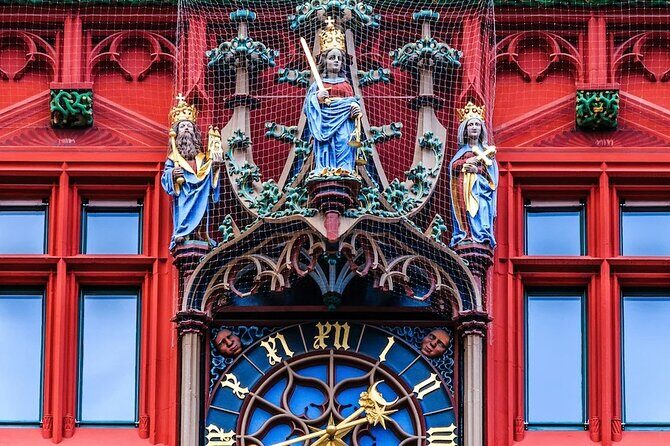
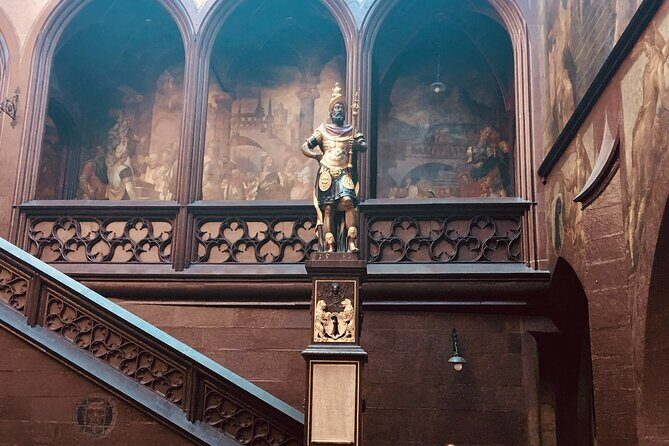
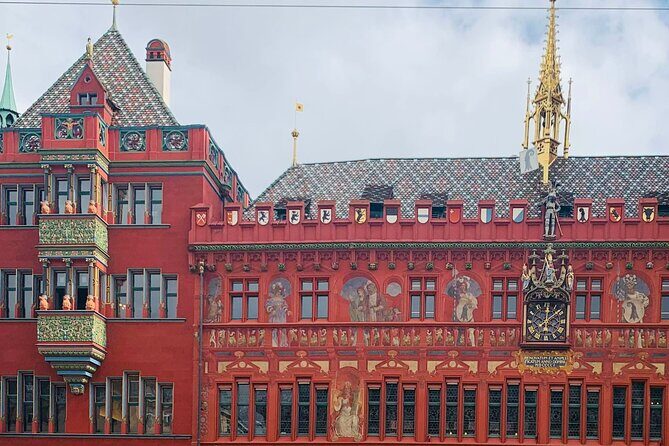
2) Basel Town Hall: how the city’s seat of power changed over time
Next you pass the Basel Town Hall outside. The narration covers how it evolved and what that meant historically. Even without going inside, you’ll get context that helps you read the building instead of just admiring it.
A useful mindset here: treat each exterior as a “clue.” The narration turns those clues into a story you can follow as you walk.
A few more Basel tours and experiences worth a look

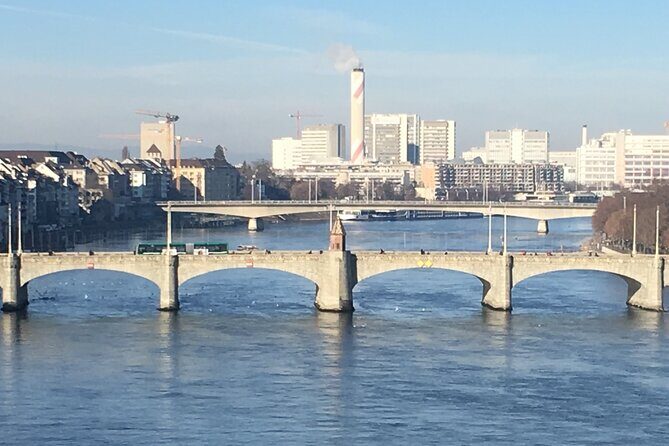
3) Middle Bridge and the Rhine split: Basel’s geography in motion
Then comes Middle Bridge, where the Rhine’s role in shaping the city becomes a key theme. You’ll hear how the river effectively splits Basel into two, and the bridge becomes more than a crossing—it’s a viewpoint into the city’s layout.
This is also a great moment for photos, because you can look both directions and imagine the city’s movement along the water.
4) Les Trois Rois Hotel view: an iconic hotel moment from the bridge
From one end of the bridge, you’ll see Les Trois Rois Hotel and hear about why the hotel is impressive. This stop is short but memorable: it connects Basel’s modern hospitality scene to the older streets around it.
One tip: keep an eye on what the narration says you’re looking at. The app often times these moments to your exact position on the bridge.
Augustiner Brunnen and the museum exteriors: fountains and early collections
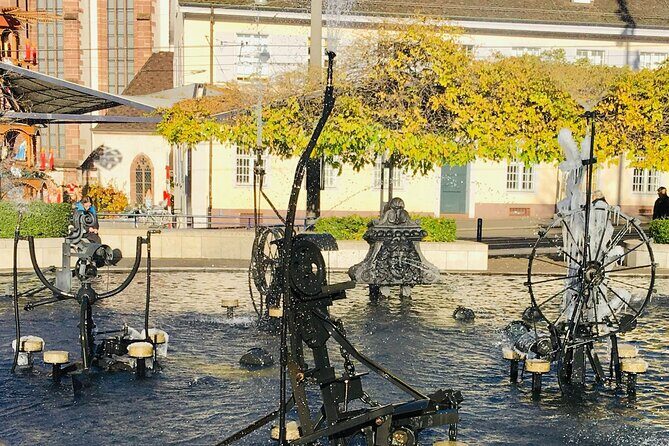
Basel loves outdoor storytelling. After the bridge area, the route shifts toward fountains and museum buildings—mostly from the outside, which keeps your visit budget-friendly.
5) Augustiner Brunnen: a fountain with a basilisk
You’ll pass the Augustiner Brunnen, where the narration focuses on the fountain and the basilisk that adorns it. Basel’s fountains aren’t just decoration. They’re pieces of local symbolism, and you’ll understand what you’re seeing instead of guessing.
6) Museum of Natural History: part of the city’s first universal museum
Next is the Museum of Natural History. You’ll hear about the museum’s place in what was described as part of Basel’s first universal museum concept. This gives you a sense of how Basel has long treated learning as something public and civic.
You won’t need tickets to get value here—the audio helps you connect the building to a bigger story about collections and curiosity.
7) Museum of Cultures Basel: history and identity in another museum exterior
The route continues past Museum of Cultures Basel, with narration that explains the museum and its history. This stop adds perspective: Basel isn’t just Rhine-and-cathedral. It’s also a city building cultural understanding through institutions.
Basel Minster and Pfalz: cathedral architecture plus Rhine views
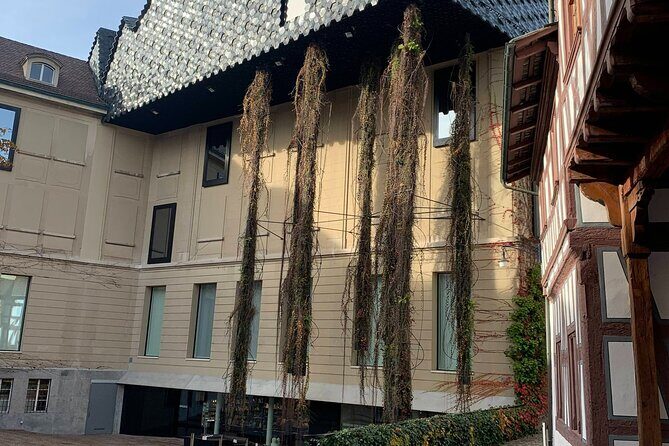
This part of the walk is where the route turns more “show me the details.”
8) Basel Minster (exterior): walking with architecture cues
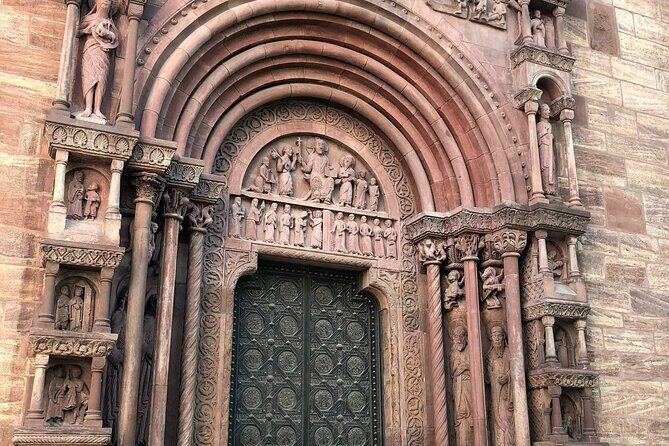
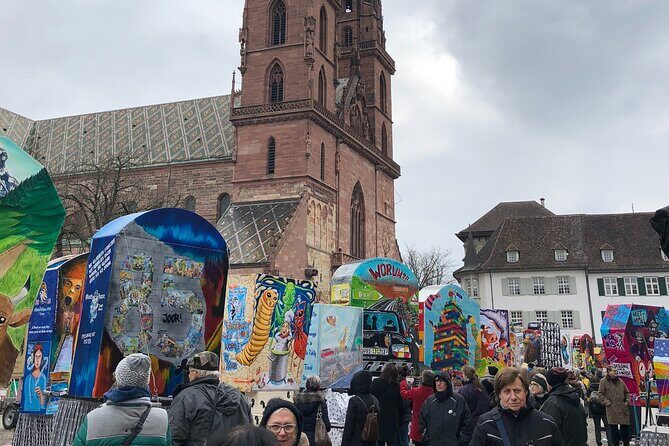
You’ll go around the outside of Basel Minster. The narration points out architectural details as you walk. That’s a practical approach: you get guided attention without needing to schedule interior time.
If you enjoy cathedrals, slow down here. Even if you only spend a couple extra minutes, the architecture cues make a huge difference.
9) Pfalz: Rhine viewpoints and more city history
Then you reach the Pfalz, where you can view the Rhine River and hear additional Basel history. The value is simple: you get a meaningful sightline plus narration that ties the view back to the city’s story.
This stop is a good “reset moment.” After earlier landmarks, you get a wide view and a breathing pause before the fountains and performance venues.
Tinguely Fountain to Stadtcasino Basel: playful design and big-city culture
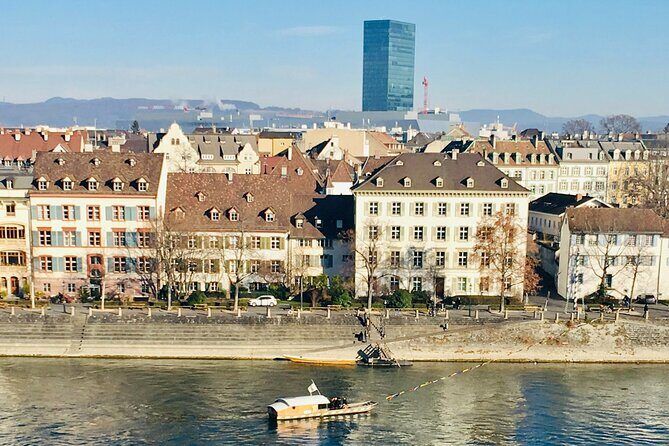
Basel isn’t only solemn. The later stops add variety—public art, theaters, and music.
10) Tinguely Fountain: design by someone you’ll want to remember
You’ll pass the Tinguely Fountain and learn about it, including the designer. This is one of those stops where you can look at the fountain and later realize you understood what you were looking at because the narration gave you the right frame.
11) Theater Basel: the founder and why the venue matters
Next is Theater Basel (outside). The tour shares information about the theater’s founder before moving on. Even from the street, the story makes the building feel less random and more intentional.
12) Stadtcasino Basel: home of the Basel Symphony Orchestra
Then you’ll pass Stadtcasino Basel, with narration explaining it as the home of the Basel Symphony Orchestra and covering its history. This stop turns the walk into more than sightseeing—it becomes a quick lesson in how arts and civic life connect in Basel.
13) Final walk to Barfüsserplatz: where the tour concludes
The tour ends at Barfüsserplatz. The narration gives a brief wrap on the area so you know where you are when the audio stops.
This matters because it helps you decide what to do next without standing there checking maps from scratch.
What to bring and how to use it well (offline, on foot, and at your speed)
This experience is built around your phone, so plan for that.
Bring your own smartphone (and headphones if you want)
The tour does not include a smartphone or headphones. If you want audio clarity while walking, headphones are usually the practical choice. If you prefer to share audio, you might use speaker output—but expect that to be less private in crowded areas.
Expect GPS nudges and learn the rhythm
The navigation is designed to keep you from wandering. The off-route warning is useful, and the app also provides on-screen navigation information. If you’ve ever felt GPS pointers lag behind your actual steps, you can expect a small learning curve.
A good strategy: start the tour, then keep your early attention on the phone instructions for a few minutes. Once you understand the app’s behavior, the walk usually feels much smoother.
Use offline mode to save your battery and nerves
Since offline access includes audio, maps, and geodata, you can focus on walking rather than waiting for loading screens. This is especially helpful if you’re doing the tour on the move in areas where data might be inconsistent.
Hot day tip: start earlier or later
If Basel is warm when you visit, you’ll likely enjoy the tour more if you go early or later in the day. The route is outdoors for the whole experience, and Basel summer sun can feel strong.
Stop duration and museum strategy: how to keep the day easy
Because the tour is built around outdoor views, you can treat it like a starter course. If you want to keep your schedule tight, don’t plan entrances during the main narration.
If you do want to step inside anything en route, treat it as optional add-ons. Since tickets and entrance fees aren’t included, you’ll need to handle that separately—and you should give yourself extra time because the audio sequence assumes you’re moving along the streets rather than waiting in lines.
This is also why the self-guided format is a smart fit: you can pause the audio when you want to read signage, take photos, or look around without breaking the flow.
Who this self-guided Basel audio walk is best for
This tour tends to fit travelers who want structure without a tour group.
You’ll likely enjoy it if:
- You want a budget-friendly introduction to Basel’s key old-town landmarks
- You like history told in manageable segments while walking
- You prefer choosing your own pace and stopping for photos without asking permission
- You’re comfortable using a phone for navigation
It’s also a great match for first-timers. The route covers major anchors—Town Hall, Rhine bridges, Basel Minster, major cultural venues—so you get an orientation that makes later independent wandering easier.
If you need a loop back to the start, or you strongly dislike ending in a different spot, you’ll want to plan your next stop from Barfüsserplatz before you start.
Should you book this Basel hidden treasures audio tour?
I think this is worth booking if you want a “good guide, low stress” experience at a fair price. The combination of offline support, GPS-style route assistance, and a short old-town route makes it easy to fit into a day.
Book it especially if:
- You’re doing Basel for the first time and want to get oriented quickly
- You want to avoid ticket shopping for a small walking itinerary
- You prefer a steady narration that you can pause and restart when you feel like it
Consider another option if:
- You don’t want to rely on a phone for navigation
- You’re expecting a loop route back to the starting point
- You’re likely to abandon the app mid-route due to phone confusion (give it a few minutes of setup time first)
Overall, it’s a practical way to learn Basel while moving through the city’s real streets, not just standing in one museum room.
FAQ
How long is the Basel self-guided audio tour?
It’s listed as about 1 hour to 1 hour 30 minutes. Your actual time depends on how often you pause for photos or extra walking.
What language is the audio available in?
The tour is offered in English.
Can I use the tour offline?
Yes. You get offline access to audio, maps, and geodata, and the provided maps/audio information are designed to work even when you’re offline.
Where does the tour start and end?
It starts at Marktplatz (Marktpl., 4001 Basel) and ends at Barfüsserplatz (Barfüsserpl., 4051 Basel).
Do I need to bring a smartphone or headphones?
Yes. A smartphone and headphones are not included, so you’ll need to bring your own device to run the VoiceMap app.
Is this tour private or shared?
It’s private, meaning only your group participates.
What is the cancellation policy?
You can cancel for a full refund if you do it up to 24 hours in advance. If you cancel less than 24 hours before the experience start time, the amount paid is not refunded.