REVIEW · BASEL
Explore Basel in 60 minutes with a Local
Book on Viator →Operated by LocalBini - The go-to platform for Experiences by Locals in Switzerland · Bookable on Viator
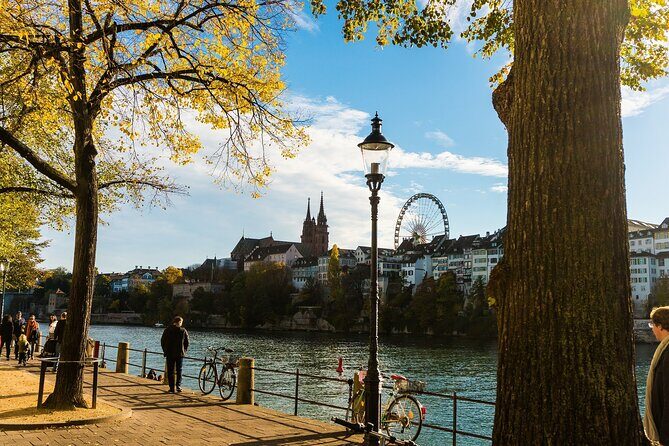
Basel clicks into place in 60 minutes. I love the small group size (up to 8) and the photo-friendly route through the Old Town, guided by a local who gives practical recommendations as you go. You’ll get your bearings at Basler Münster, the red Rathaus area, river viewpoints, and the city gates without spending your whole day in transit.
The trade-off: this is built to orient you fast, so it won’t satisfy everyone who expects a deep, stop-by-stop history class.
In This Review
- Key highlights you should care about
- A 60-minute reset for Basel’s Old Town
- Start where locals actually begin: St. Alban-Vorstadt
- Basler Münster: the first big view that makes Basel feel real
- Rathaus at the red heart of civic Basel
- Hotel Les Trois Rois: river luxury, historic scale
- Spalentor: medieval city gate energy on a walking route
- St. Alban City Gate: a calmer portal into the quarter
- Price and value: is $98.81 for a 60-minute walk fair?
- What I’d do to get the most from this walk
- How the guides can make or break a short tour
- Should you book Basel in 60 minutes with a LocalBini guide?
- FAQ
- How long is the Basel in 60 minutes with a Local tour?
- How much does the tour cost?
- Is the tour a small group?
- What language is the tour offered in?
- Where does the tour start and end?
- What are the main stops you’ll see?
- Are entry tickets included for museums or monuments?
- Can I bring a service animal?
- Is the tour suitable for people with impaired mobility?
- How does cancellation work?
Key highlights you should care about
- Get oriented quickly: a true express walk timed for about one hour of sightseeing momentum
- Up to 8 people: the pace stays friendly, and questions actually get answered
- Iconic Basel stops in one loop: Münster, Rathaus area, river-side landmarks, and both major city gates
- Panoramic Rhine views: you’ll reach the kind of viewpoint you normally plan a day around
- Local recommendations, not just facts: the guide helps you decide what to do after the walk
- Flexible routing: stops can shift with weather and your walking pace
A 60-minute reset for Basel’s Old Town
Basel can feel like a city where everything is close, but you still need the right starting points. This walk is designed for that first-day fog, where you know you want the old center and river views, but you also want to keep moving.
I like that the tour doesn’t pretend to cover everything. Instead, it gives you a tight “map in your legs” version of Basel: where to stand, what to notice, and how to connect the sights into a plan for the rest of your day. If you’re the type who likes to wander after getting oriented, this kind of tour usually works very well.
A few more Basel tours and experiences worth a look

Start where locals actually begin: St. Alban-Vorstadt
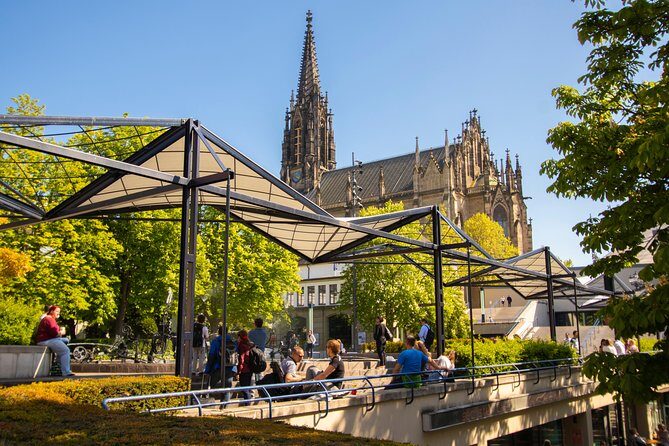
You’ll meet at St. Alban-Vorstadt 101 (4052 Basel). The area is already part of Basel’s rhythm—close to the Old Town flow, and convenient for connecting to the rest of your day on foot.
From the beginning, the tour sets expectations: it’s a walking experience with an adaptable route. The guide can adjust based on interests and your pace, and stops may vary with the weather. That matters in Basel because conditions can change quickly, and you don’t want an inflexible itinerary eating up your time.
One practical note: the ending point is Spalentor–Spalenvorstadt (4056 Basel). That’s great if you want to keep walking toward the other side of the Old Town after the guide drops you off.
Basler Münster: the first big view that makes Basel feel real
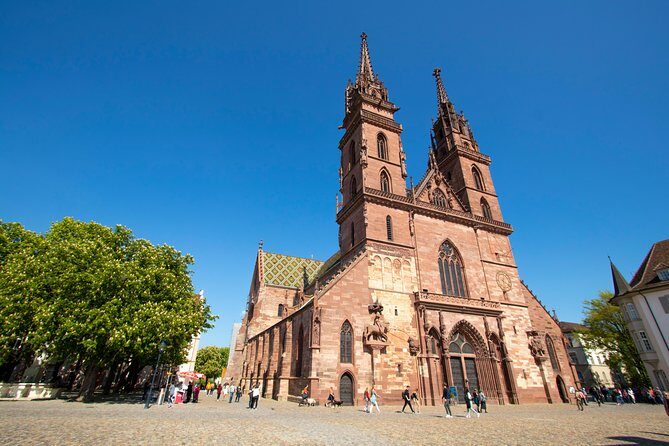
The walk’s anchor stop is Basler Münster. You’ll see the cathedral’s architecture up close, and you’ll also get panoramic views over the Rhine, which is the kind of payoff that makes a short tour feel worth it.
Why it works: Münster isn’t just a pretty building. It’s a visual “north star” for understanding Basel’s layout—the way the river shapes the city and how the Old Town sits around major landmarks. If you’re taking pictures, this is one of your best chances for angles that look like classic postcards but still feel lived-in because the surrounding streets are right there.
A small consideration: if you’re rushing or it’s crowded, you may have less time to linger on every detail. Use the viewpoint moment to orient yourself first, then circle back later on your own if you want deeper looking.
Rathaus at the red heart of civic Basel
Next comes the Basel Town Hall (Rathaus), known for its striking red exterior and the surrounding market square area. You’ll also notice frescoes mentioned as part of what makes the building special, and you’ll be in a spot where the city’s public life is easy to observe even during a short stop.
This segment is valuable because it shifts you from religious monument mode to civic identity mode. Basel’s character isn’t only about churches and river views; it’s also about how seriously the city treats its public spaces and traditions.
If you like architecture, you’ll get plenty to look at from street level. If you don’t, the practical win is still there: you learn where the central square energy lives, so you can come back later for lunch, people-watching, or shopping.
Hotel Les Trois Rois: river luxury, historic scale
You’ll pass Hotel Les Trois Rois, described as one of Europe’s oldest hotels. Even if you’re not staying there, seeing it in context helps you understand why Basel’s riverfront has always drawn attention—luxury wasn’t just about comfort, it was about location.
This stop is also about perspective. Hotels like this can feel distant in a brochure, but on the ground they’re part of the city’s street story: the river air, the walking paths, and the way the Old Town meets the water.
A drawback for some: this is a “see it” moment rather than an entry-and-tour. If you were hoping for interior access, you’ll need to plan that separately since transportation, museum, and monument entry tickets aren’t included.
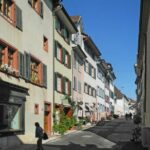





Spalentor: medieval city gate energy on a walking route
One of the most memorable parts of this kind of walk is when the city starts to feel older than your own travel plans. Spalentor is Basel’s majestic city gate, tied to medieval fortification and architecture. You’ll get the sense that the city once had clear edges—and now you’re walking through what those edges used to be.
Why this stop matters: it gives your brain a timeline. After Münster and the Rathaus area, Spalentor helps you shift from “monuments” to “defense, borders, and street structure.” Basel’s old gates aren’t just artifacts; they shape how routes and neighborhoods feel even today.
Photography helps here. Gates naturally create framing lines for street scenes. If you want the best shots, position yourself first for the wider view, then step in for detail once you’ve got your bearings.
St. Alban City Gate: a calmer portal into the quarter
The walk then moves toward St. Alban City Gate, which introduces the St. Alban quarter. This is a nice change of tempo after the more central-feeling stops. You get a sense of Basel as a set of connected neighborhoods rather than one single “center.”
If you’re curious about how cities layer over time, city gates are a great clue. They mark transitions—between areas, eras, and walking atmospheres. Here, the goal isn’t to overwhelm you with information. It’s to help you notice that Basel has multiple “Basels” you can explore in an afternoon.
This stop also works well if you want ideas for what to do next. A good local guide can point out where you might want to linger after the tour ends—usually streets that are less obvious than the big-ticket sites.
Price and value: is $98.81 for a 60-minute walk fair?
At $98.81 per person, this isn’t the cheapest way to spend an hour in Basel. But the pricing makes more sense when you think about what you’re buying: a timed, small-group orientation plus a local who can customize the route to your walking pace and interests.
A good “value test” is simple. If you have only one day, or you’re arriving with limited time and you want a route that avoids guesswork, this can save you hours of wandering. It’s also capped at 8 travelers, so you’re more likely to get real answers rather than standing in a crowd listening to a headset.
On the other hand, if you’re the kind of traveler who loves self-guided research and you already know the major landmarks, you might feel the cost more sharply. In that case, the better move can be using this tour as a guide for what to prioritize—then moving to self-exploration after.
What I’d do to get the most from this walk
This tour is designed as an introduction. That means your best strategy is to treat it like a planning session with sightseeing built in.
Start with questions that help your guide tailor the day. Ask what area you should walk next after you finish at Spalentor. Ask what you should avoid if it’s crowded or rainy. If you care about architecture, ask what details locals notice first. If you care about the river, ask where the views are best beyond the Münster viewpoint.
Also, bring energy for walking. The experience is described as not recommended for guests with impaired mobility, so if you have mobility constraints, plan to choose a different format or talk with the provider before booking. The tour does adapt to walking pace, but the route still involves a walking-first approach.
Finally, remember what isn’t included: entry tickets for transportation, museums, and monuments. If you want to go inside anywhere, you’ll need to budget time and money separately.
How the guides can make or break a short tour
With short walks, guide style matters a lot. A well-paced local guide can connect the dots quickly and make the city feel understandable. A less structured approach can leave you feeling like you saw buildings but missed the story glue.
In the positive examples, guides are described as going the extra mile—one guide made time for more personal context and even went past the standard time when it mattered. Others are praised for being friendly, answering questions clearly, and pacing the walk for travelers who needed extra care.
So here’s my practical advice: if you want a more history-forward experience, tell your guide early. Ask for the “one sentence summary” you can remember about each stop. If you want recommendations for food or nearby sights, ask while you’re still in the middle of the loop so you can use that intel right after the tour ends.
Should you book Basel in 60 minutes with a LocalBini guide?
Yes, if you fit one of these situations: you have a tight schedule, you want a fast orientation to Basel’s Old Town, and you like getting local tips that help you plan the rest of the day. The combination of Münster views, Rathaus area sights, river-side landmark context, and both city gates is a smart way to “learn the shape” of Basel without turning your vacation into admin work.
Maybe not, if you’re looking for a deep historical lecture with lots of structured storytelling at every stop. This is built to move. If you prefer slow, in-depth museum-style history, you’ll likely want a longer tour option instead.
FAQ
How long is the Basel in 60 minutes with a Local tour?
It’s listed as about 1 to 2 hours.
How much does the tour cost?
The price is $98.81 per person.
Is the tour a small group?
Yes. It’s capped at a maximum of 8 travelers.
What language is the tour offered in?
The tour is offered in English.
Where does the tour start and end?
It starts at St. Alban-Vorstadt 101, 4052 Basel and ends at Spalentor–Spalenvorstadt, 4056 Basel.
What are the main stops you’ll see?
You’ll see Basler Münster, Basel Town Hall, Hotel Les Trois Rois, Spalentor, and St. Alban City Gate.
Are entry tickets included for museums or monuments?
No. Entry tickets for transportation, museums, and monuments are excluded.
Can I bring a service animal?
Yes. Service animals are allowed.
Is the tour suitable for people with impaired mobility?
It is not recommended for guests with impaired mobility.
How does cancellation work?
You can cancel up to 24 hours in advance for a full refund, based on the experience’s local time.