REVIEW · GENEVA
10 Days Riding Challenge Tour across Switzerland
Book on Viator →Operated by Bike Switzerland · Bookable on Viator
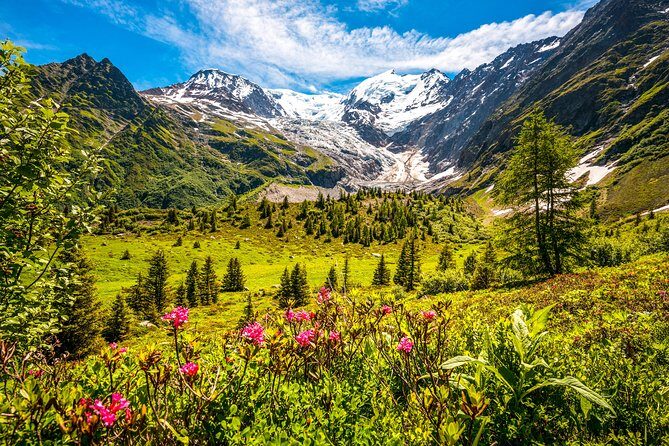
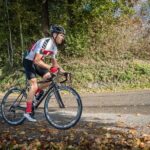
Switzerland by bike can feel like a postcard. This trip takes that idea and makes it practical: you ride west to east from Geneva, with the train network nearby if plans change. I like the way the route keeps you close to an escape hatch, so the trip stays fun even if your legs aren’t feeling heroic every day.
What I really like is the precision of the planning. You get Ride with GPS, written instructions, and thorough prep so you’re not stuck guessing what comes next. One of the nicest details from past riders is how the staff worked smoothly with small bike fit requests (including a mirror), and how route help can be adjusted—John was specifically mentioned for modifying legs to suit the group.
The one drawback to consider is the physical demand. This is for people with strong fitness, and the riding includes steep climbs and long days. If you hate being on the saddle for hours, you might find the Swiss pace demanding rather than relaxing.
In This Review
- Key highlights worth planning around
- Geneva start: getting oriented without losing a day
- Riding west to east with the train network nearby
- Lake Geneva to Rolle, Lausanne, and Lavaux wine country
- Gruyère, chalets, and Gstaad’s car-free charm
- Zweisimmen to Interlaken, then the cogwheel train to Wengen
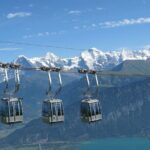
- Wengen without bikes: gondolas, edelweiss, and real hiking legs
- Brunig Pass day: climb 400 meters or use the backup plan
- Zug, high marshlands, and the Einsiedeln monastery views
- Lake Zurich bike paths, Walensee tunnels, and a swim break
- Final riding day: Heiden or Romanshorn on Lake Constance
- The last transfer: bike off, train home via Bern
- Price and value: what $4,696.30 buys you in the real world
- Who this Swiss Challenge Tour suits best
- Should you book the Challenge Tour?
- FAQ
- What is the starting meeting point for the tour?
- How long is the trip?
- What is the group size?
- Is the tour suitable for beginners?
- Does the route allow for shorter days or changes?
- What happens if the weather is bad for the Brunig Pass?
- Is the tour refundable if I cancel?
Key highlights worth planning around
- Train network flexibility keeps shorter days on the table if you need it
- Lavaux wine views and cave tastings add a sensory break from pure mileage
- Car-free UNESCO-style time in Wengen means quiet streets and big alpine air
- Brunig Pass options: climb or use boat/train alternatives, with everyone meeting for lunch
- Lake tunnels and swimming breaks near Walensee and on the Rhine/Lake Constance approach
- Max 19 riders keeps the group manageable and moving at a human pace
Geneva start: getting oriented without losing a day
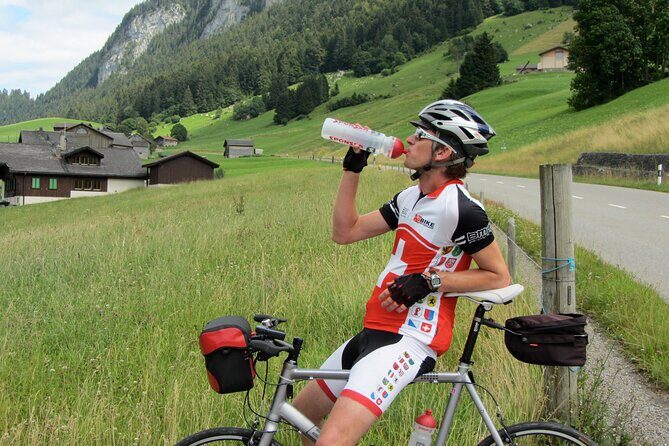
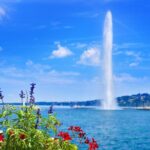
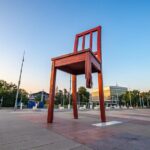
The tour begins at Rue des Grottes 22 in Geneva. That matters because it’s not just a random hotel meeting point—you’re starting in a part of the city where you can also reach public transit easily once you’re done riding for the day.
You’ll likely arrive with the normal travel nerves: Will the instructions make sense? Will I like the bike setup? Bike Switzerland’s approach, based on rider feedback, is to handle that early. They do an orientation that’s described as thorough, and they fit bikes to rider preferences instead of forcing everyone into a one-size default. If you’re the type who notices comfort details—saddle height, cockpit feel, or a mirror—this is a good sign.
One extra tip from the schedule: if your orientation falls on a Thursday or Saturday, they suggest joining one of their club rides. It’s a nice way to shake out stiff legs and get local rhythm before the longer cross-country push.
You can also read our reviews of more tours and experiences in Geneva.
Riding west to east with the train network nearby
The big idea behind the Challenge Tour is simple: you go across Switzerland, west to east, but you’re not locked into one rigid loop. The route follows the train network, so you’re never far from the option to shorten a day if something goes sideways—weather, fatigue, or just needing a different pace.
For you, that means the trip can feel less like a test and more like a guided route with breathing room. If you ride confidently but want flexibility, this structure is a win. If you do want extra time in a town or need a break to recover, you have that possibility without turning the whole day into a logistics problem.
Also, the tour uses a mobile ticket. That’s not glamorous, but it helps on days when you’re juggling maps, train connections, and trying to keep the group moving smoothly.
Lake Geneva to Rolle, Lausanne, and Lavaux wine country
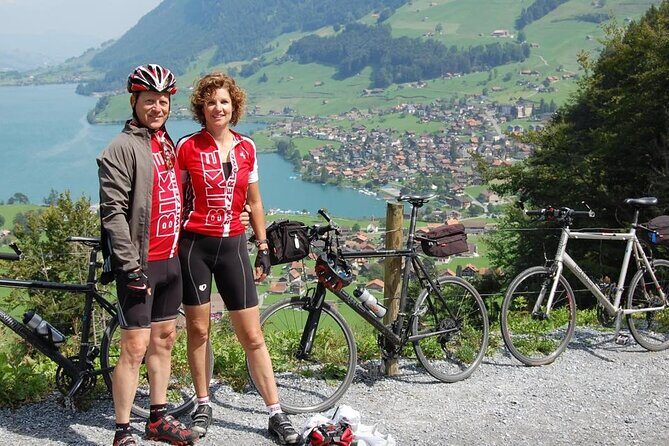
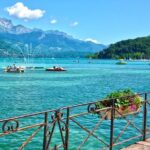
Early on, you ride out from Geneva into Rolle first, then keep moving along the lake. Rolle is a good warm-up style stop: lakeside, scenic, and easy on the eyes after city travel. You’ll have a picnic lunch there, which helps keep the day from feeling like constant decisions.
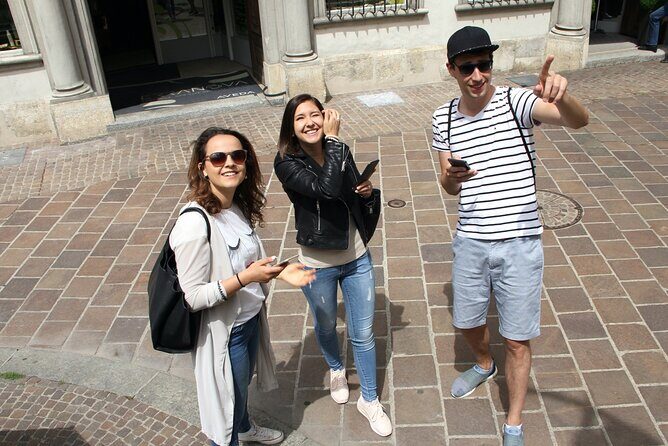
From there, you pass through Lausanne. The tour even cues you to look at the lakefront and points out the Olympic Museum area since you ride right past it. That kind of “you’re here, glance over there” navigation is useful when you’re biking and don’t want to lose an hour detouring.
Then comes the Lavaux wine region. Expect winding roads through terraced vineyards and the kind of views that make you slow down even if you’re trying to keep a steady pace. The tour includes a stop at a local cave for white wine tasting, which is the kind of break that feels more like travel than a recovery stop.
You end the day in Chexbres, which is small enough to feel calm after the riding effort, with Lake Geneva and vineyard slopes spreading out around you. It’s the kind of hotel base that helps you enjoy the scenery instead of just using the room as a recharge station.
Gruyère, chalets, and Gstaad’s car-free charm
Day 3 leans into Swiss personality. The route gives you a choice on how to get to the first coffee stop in Chatel St. Denis. If you want adventure, you can take steep back roads; otherwise you join a more direct line. Either way, you start stacking real variety quickly rather than repeating the same kind of scenery all day.
At the coffee stop, there’s dense chocolate cake. That’s not a small detail. On long bike days, a proper pause with actual food is what keeps your energy consistent later when the climb or tailwind (or headwind) shows up.
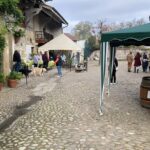
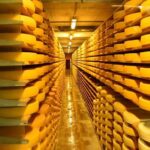
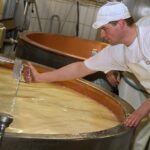
Lunch is in Gruyère, medieval and photogenic. You’ll have options to tour a castle or visit the cheese museum. This is one of those stops where the tour isn’t just transporting you through a name—it’s giving you a chance to understand the place beyond the postcard look.
After lunch, you ride beyond into valleys with giant chalets and wide open views. Then you reach Gstaad, known for its car-free streets. You get that rare feeling that the town is built for people who walk and wander rather than traffic. The tour also points out how celebrities like Grace Kelly and Tina Turner made it a summer stop—whether or not that matters to you, the practical takeaway does: it’s a place where strolling feels normal.
Zweisimmen to Interlaken, then the cogwheel train to Wengen
Day 4 has a classic Swiss rhythm: a steep climb out of town, then a very long descent into Zweisimmen. After that, you ride past pastures and streams on densely packed gravel paths. If gravel is your thing, you’ll enjoy how intimate it feels compared to smooth asphalt. If gravel makes you tense, this is where you keep your eyes up and your grip calm.
You’ll stop in traffic-free valleys to pet cows and take photos of tall family chalets. These are the moments that make the trip feel like Switzerland, not just a bike route.
Later, you follow the shores of Lake Thun toward Interlaken. The fun twist here is that you’ll leave your bikes behind and take a 45-minute cogwheel train ride up about 4,265 feet to Wengen. That’s a big altitude change in a short time, and it instantly shifts the trip from riding focus to alpine town savoring.
Wengen is car-free, and the tour notes the wider area as UNESCO World Heritage-designated. That matters because it shapes the experience: quiet streets, less road noise, and a village feel that’s hard to replicate elsewhere. You’re also in a town suited for relaxing because tomorrow is the hiking and alpine work.

Wengen without bikes: gondolas, edelweiss, and real hiking legs
Day 5 is the different one. In Wengen, there are no bikes, and you work your legs on foot instead. It’s an intentional reset day that still keeps you active, just in a new way.
The tour describes alpine hiking with details that clue you in on what to expect: gondola lifts, grazing herds, and the chance to find wild edelweiss in the pastures. That combination makes this feel like an alpine meadow day rather than a grind.
Come prepared for the fact that your day won’t be only steep walking. The tour framing suggests you’ll move around lifts and trails, bending your knees for the terrain and doing enough exploring that you’ll feel it later. But it’s also the day that gives you the mental pause of changing pace. If you’ve been living on the saddle, this day can feel like a relief.
Brunig Pass day: climb 400 meters or use the backup plan
Day 6 is built around options, which is smart for a challenge tour.
The standard path starts with riding along the length of Lake Brienz, then through flatter areas outside Meiringen, before tackling the Brunig Pass. The climb described is 400 meters in 5 kilometers, with splendid views of the valley you rode through. That’s not just effort—it’s payoff.
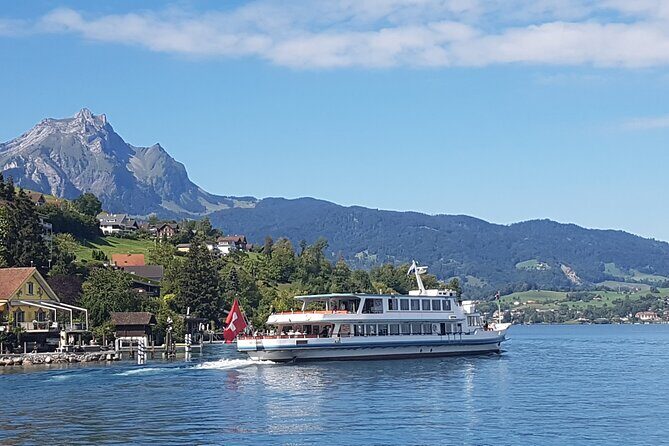
If the weather turns or some riders don’t want that climb, the tour can build alternatives using the boat from Interlaken and trains. The key point for you: you don’t end up stranded or split randomly. All riders meet at the lake for lunch at Lungern, keeping the day together even with different routes.
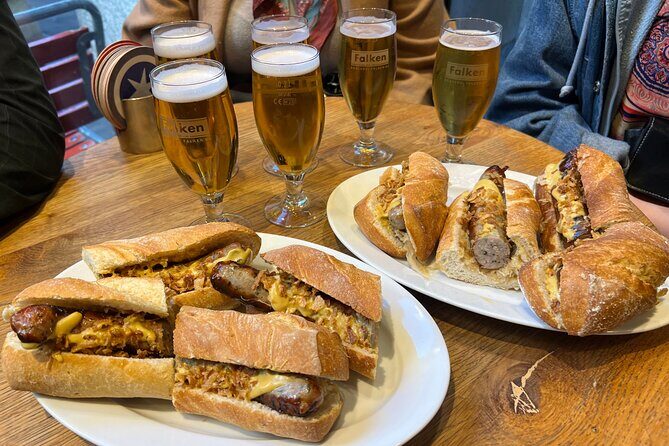
In the afternoon, the paths are described as flat and picturesque, with a stop in the medieval village of Sarnen. You can grab a beer in the market square, then you roll on another short stretch before reaching Lake Lucerne. Even where details get cut off in the schedule, the pattern stays clear: morning effort, lake rhythm, and a village stop that doesn’t feel like a checkbox.
Zug, high marshlands, and the Einsiedeln monastery views
Day 7 keeps the “big Switzerland tour” energy going without turning every hour into a climb.
You ride along the River Reuss outside Lucerne, then reach Zug—described as Switzerland’s smallest but richest canton. You’ll picnic on the lake and tour Zug’s medieval old town, then climb out toward the Rothernthurm high marshlands, one of Switzerland’s best-known nature preserves.
This part of the route sounds special because it’s not only scenery. The tour mentions peat-covered cabins and wet rolling fields, which suggests a landscape you don’t see when you stick to the usual tourist corridors. If you like biking through places that feel slightly odd-in-a-good-way, this is one of those days.
The ride continues toward Einsiedeln monastery. Then, if your legs hold up, you’ll get higher—described as views in all directions, with narrow well-maintained bike paths that let you get where fewer casual tourists go.
The practical takeaway: this is a day where the ride feels exploratory. It’s not only about reaching a hotel; it’s about spending time in landscapes that make you slow down to look.
Lake Zurich bike paths, Walensee tunnels, and a swim break
Day 8 starts with car-free bike paths along Lake Zurich for the first 20 kilometers. That’s a big deal because it reduces stress. When you’re riding with group pace, avoiding traffic noise helps everyone feel more relaxed.
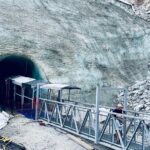
From there, you continue before reaching Lake Walensee, with 1500-meter cliffs described in the route. The experience gets more cinematic as you enter a long series of bike tunnels. Giant windows in the tunnels provide views of the lake and limestone cliffs above, which means you aren’t just riding through darkness for long stretches—you’re constantly “watching” the scenery through the tunnel architecture.
There’s also a chance to swim in Switzerland’s cleanest lake, followed by a picnic. Then the route meets the Rhine and follows it northward.
The tour crosses into Liechtenstein, and then into Austria, where you spend the night in a medieval city. Even without the city name in the excerpt, the pattern is clear: your day ends with a historic-feeling base after a uniquely Swiss riding section.
Final riding day: Heiden or Romanshorn on Lake Constance
Day 9 is described as a last-day push through rivers and lowlands—less about extreme climbing, more about enjoying the places you ride through. You pedal past farms, fields, and canals, then stop for lunchtime in Widnau.
After lunch, you get a choice, which helps if you’ve saved energy for a final treat.
Option one: take the hardest climb yet to Heiden, overlooking Lake Constance. Option two: take the low road to Romanshorn for the final stop by the lake.
This is also an easier day, and the tour basically nudges you to choose your mood. If you want comfort, you can explore towns and shops. If you want to burn the last energy, you can pick Heiden’s climb and earn bigger views. Either way, you can also get into Romanshorn early for a lakeside stroll and swim.
The last transfer: bike off, train home via Bern
On Day 10, you say goodbye to your bike after a late breakfast. Then it’s all-aboard: a five-hour train trip back to Geneva, with a stop-over in the Swiss capital of Bern.
Lunch and sightseeing are on your own during that Bern stopover, which is helpful because you can decide how much time you want for wandering and shopping rather than being locked into a fixed group program.
Your last evening returns you to the shores of Lake Geneva. If the weather is good, you’ll catch summer rays with food and a drink at the lakefront, likely near where you started. It’s a satisfying final frame: your last view matches your first city, but now you’ve earned it with miles.
Price and value: what $4,696.30 buys you in the real world
At $4,696.30 per person for about 10 days, this isn’t a budget bike trip. But you’re paying for more than “bike days.”
You’re paying for:
- a guided route designed around train-access flexibility
- navigation support like Ride with GPS and written instructions
- bike fitting that accounts for rider preferences
- a planned mix of alpine towns, lakes, and car-free areas
- the logistics that keep a cross-country ride from becoming a DIY headache
The max group size of 19 also affects value. Smaller groups usually mean less chaos at stops, and it’s easier for staff to help if you hit a problem.
If your goal is scenery with low decision fatigue, this price starts to make sense. If your goal is pure cheapest possible mileage, you’d likely shop elsewhere. Think of it as a premium guided cycling vacation where you trade some cost for time, planning, and confidence.
Who this Swiss Challenge Tour suits best
This tour is ideal if you want:
- serious scenery across multiple regions without juggling route planning day after day
- a challenge with a safety net thanks to proximity to trains
- car-free towns and UNESCO-style quiet time where you can actually breathe
- a ride that changes often: lakes, valleys, vineyards, and tunnel segments
It’s also for people who have strong fitness. The tour includes steep climbs and long-distance riding, and it uses hard terrain at least on some days. If you’re a casual cyclist or you get discouraged by gravel or climbs, you might struggle.
On the other hand, if you ride regularly, enjoy planning-light travel, and like the feeling of moving through Switzerland with purpose, this tour can feel like the fast route to the country’s best “greatest hits.”
Should you book the Challenge Tour?
I’d book it if you want a structured ride that still feels adventurous. The combination of train-linked flexibility, car-free alpine time, and the variety from Lavaux to Walensee to Lake Constance is exactly what keeps a cross-country trip from turning repetitive.
Skip it if your idea of a biking vacation is mostly flat, mostly short days, and minimal physical stress. This tour will ask for effort, especially around climbs like the Brunig Pass and the option to climb to Heiden.
If you’re on the fence, check your fitness first, then match your expectations to the structure: you’re not buying a casual cruise. You’re buying a guided Swiss bike journey where the best parts come with work.
FAQ
What is the starting meeting point for the tour?
The tour starts at Rue des Grottes 22, 1201 Genève, Switzerland, and it ends back at the meeting point.
How long is the trip?
It’s listed as 10 days approximately.
What is the group size?
The tour has a maximum of 19 travelers.
Is the tour suitable for beginners?
The tour specifically notes that travelers should have a strong physical fitness level, so it’s not positioned as a beginner-friendly ride.
Does the route allow for shorter days or changes?
Yes. The route follows the train network, so you’re never far from trains if you need a shorter day or if problems come up.
What happens if the weather is bad for the Brunig Pass?
If weather is bad or riders are not up to the climb, alternative itineraries can be arranged using the boat from Interlaken and trains, and all riders meet on the lake at Lungern for lunch.
Is the tour refundable if I cancel?
No. The experience is non-refundable and cannot be changed for any reason. If you cancel or request an amendment, the amount you paid will not be refunded.