REVIEW · GENEVA
Best Intro Tour of Geneva with a Local
Book on Viator →Operated by LocalBini - The go-to platform for Experiences by Locals in Switzerland · Bookable on Viator
Geneva can feel big on arrival, until someone points you the right way. This Best Intro Tour of Geneva with a Local is a smart, 2-hour walking sampler that helps you understand what matters in the city, not just what’s on a postcard. I especially like the way you get restaurant and cafe recommendations you can actually use, and the guide’s flexible pacing so your small group can move at a comfortable speed. One thing to consider: the tour doesn’t include food, drinks, or museum admission, so you’ll want a little extra cash for a stop if you choose to go in.
You’ll meet at the National Monument and finish at Musée Ariana, with several key stops along the way: the cathedral, the International Monument to the Reformation, an iconic park, the neo-Gothic Charles II mausoleum, Paquis District, the UN headquarters area, and finally the museum. In the reviews, guide Philippe stands out for cheerful, local context and for staying flexible when the group needed to slow down, even on a windy morning. If you’re the type who likes to take photos and ask questions, this format tends to work well.
In This Review
- Key things to know before you go
- A small-group Geneva walk that keeps the pace human
- Where you start and where you end (and why that route feels smart)
- Cathedral stop: history you can actually feel on your feet
- The International Monument to the Reformation: names, events, and turning points
- An iconic park and the neo-Gothic mausoleum for Charles II
- Paquis District: a neighborhood with real-life energy
- UN headquarters area: global cooperation in plain sight
- Musée Ariana: the art-and-history landing point
- Price and value: what $184.75 buys you in real life
- Who should book, and who should skip
- Should you book this Geneva intro tour with a local?
- FAQ
- How long is the Geneva intro tour?
- What is the meeting point for the tour?
- Where does the tour end?
- What language is the tour offered in?
- What’s included in the price?
- How big is the group?
- What if I need to cancel?
Key things to know before you go
- Small-group pace: max 8 travelers, and it’s your group only.
- Local recommendations: you’ll leave with practical spots to eat and grab coffee.
- Landmark mix: religion and reform, global institutions, and neighborhood life.
- Walkable route: from National Monument to Musée Ariana in about 2 hours.
- Good for orientation: you’ll learn the city’s “why” in addition to the “what.”
- Museum entrance not included: you might pay separately depending on what you plan to visit.
A small-group Geneva walk that keeps the pace human
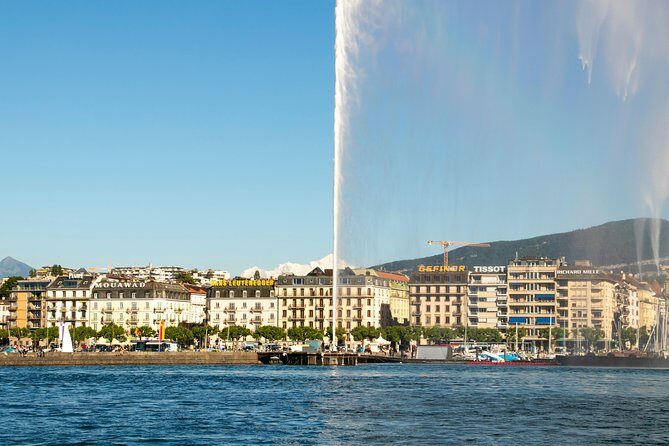
This tour is built for people who want to get oriented fast, without getting rushed. You’re with a local guide, and with a maximum of 8 travelers, you’re not stuck in a long line of strangers dutifully shuffling between photos. The tour also works at the pace of your group, which matters in Geneva because weather and crowds can change the mood quickly.
At about 2 hours, it’s a sweet spot: long enough to connect the dots between major sights, short enough that you can still enjoy your afternoon on your own. I like that it’s not trying to cram in everything. Instead, you’ll hit major places that naturally lead to the next place—cathedral to Reformation monument to park to Paquis to the UN area—so the city starts to make sense as one story.
The best intro tours do two jobs. First, they help you find your bearings. Second, they give you advice that extends beyond the walk. This one clearly aims at both, especially with those restaurant and cafe recommendations you can use immediately once you’re off the route.
You can also read our reviews of more tours and experiences in Geneva.


Where you start and where you end (and why that route feels smart)
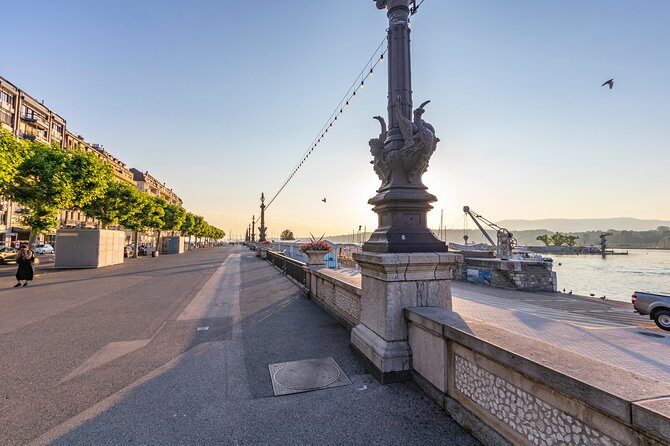
You begin at the National Monument on Prom. du Lac 2 (1204 Genève). You finish at Musée Ariana on Av. de la Paix 10 (1202 Genève). This isn’t random. It sets you up for a walk that trends through the central sights most visitors care about, then lands you at a museum area so you have an easy next step.
Because the tour ends near Musée Ariana, it works nicely if you’re the kind of person who likes to turn a guided morning into a self-guided afternoon. If you’re not museum-first, no problem: the ending point still drops you in a practical area to continue exploring nearby streets on foot or by public transportation.
The tour is offered in English, and it’s near public transportation. That’s a real advantage in Geneva, where getting from one part of town to another can be simple, but only if you’re organized about where you’re going next.
Cathedral stop: history you can actually feel on your feet
Your first stop is a cathedral. You’ll spend time there hearing about the place as a historical anchor for Geneva. Cathedrals in older European cities aren’t just architecture; they’re also meeting points for ideas, power, and community life across centuries.
What I like about starting here is that it gives you a framework. Geneva isn’t just a pretty lakeside city. It grew around major religious and civic shifts. If you understand the cathedral’s role at the beginning, the later Reformation-related stop won’t feel like a separate topic. It will feel like the next page in the same book.
A practical note: cathedrals are often cool and quiet. That can be a nice break if the weather is doing its thing. And even if you’re not a “church interior” person, hearing the story first makes it easier to look beyond the obvious details and focus on why it mattered.
The International Monument to the Reformation: names, events, and turning points
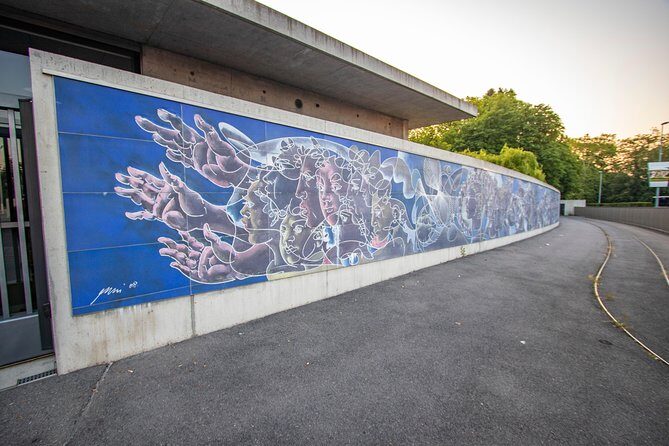
Next up is the International Monument to the Reformation, honoring key individuals, events, and documents tied to the Protestant Reformation. This is one of those stops that can go either way on a guided walk. Without context, it can look like a lot of stone and symbolism. With context, it becomes a map of how big ideas shaped a city.
This monument helps you connect Geneva’s identity to Europe-wide change. The Reformation wasn’t just happening in one place—it was a network of people, documents, debates, and outcomes. A guided stop like this is useful because it gives you names and themes to remember later when you’re reading plaques or walking past related buildings on your own.
If you like history that’s tied to real locations, you’ll probably enjoy this stop. If you’re short on patience for monuments, the good news is the overall tour keeps moving, and this moment is paced so you can absorb the basics without feeling trapped.
An iconic park and the neo-Gothic mausoleum for Charles II
After the Reformation, you shift into softer, more livable Geneva: an iconic park stop, described as a must-see. Parks are more than “nice to have” in Geneva. They’re where people rest, regroup, and watch the city from ground level. During a walking tour, they also do something practical: they give your legs a break and give your brain time to process what you just learned.
Then comes a very specific contrast: a neo-Gothic mausoleum built in honor of Charles II, Duke of Brunswick. Mausoleums and memorials often get skipped because they’re less famous than the main sights. Here, that’s exactly the point. You’ll get a story tied to a named figure and a particular architectural style, which helps you notice details you might otherwise overlook.
I like this pairing because it keeps the tour from turning into only one theme. You’re moving from grand ideals to everyday public space, then into a monument for a particular person. That mix is how you start building your own “favorites list” for Geneva, not just a checklist.




Paquis District: a neighborhood with real-life energy
Next you’ll head into the Pâquis District, described as thriving, full of life, and diverse. This part is the neighborhood reality check. It’s where Geneva stops feeling like museums and monuments and starts feeling like a city people actually live in and move through.
Even if you don’t plan to do a deep dive in Paquis on your own, this stop gives you useful orientation. You’ll learn what the area looks and feels like, and you’ll come away with a better sense of where you might want to return later for coffee, a meal, or just wandering streets without a schedule.
One reason I appreciate neighborhood stops on intro tours: they help you avoid the classic mistake of only seeing the official highlights. You don’t need to understand everything in Paquis on day one. You just need enough to know it exists and to recognize the vibe when you’re back outside.
UN headquarters area: global cooperation in plain sight
Then you’ll see an impressive symbol of global cooperation and peace: the European headquarters of the United Nations. For many visitors, Geneva is tied to international meetings, diplomacy, and institutions. This stop makes that connection concrete.
What’s valuable here is the context you get from a local guide. You’re not just looking at a building—you’re learning why Geneva is linked to international work. That helps explain why the city feels different from other Swiss towns. It’s not only scenic. It’s also international by design.
Also, this stop gives your tour a strong emotional arc. You start with religious history, move through reform ideas, then through monuments and neighborhoods, and land at a place built around peace and cooperation. Even if you’re not an institutions person, the symbolism tends to stick when you see it in person.
Musée Ariana: the art-and-history landing point
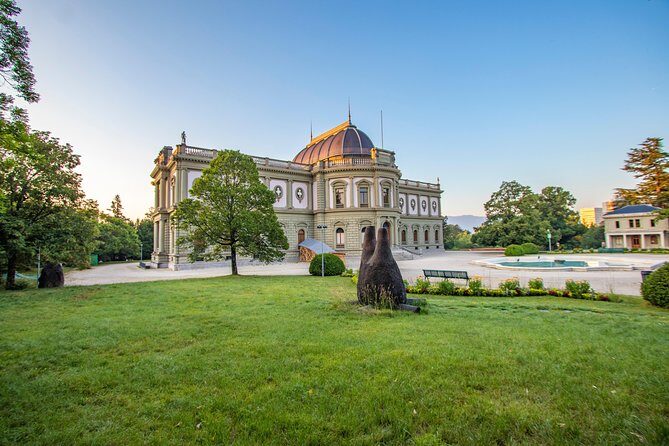
Your final stop is Musée Ariana. The museum is framed as a must-visit for art lovers and history enthusiasts. Even though museum entrance isn’t included, ending here is still a practical move: you can decide on the spot whether you want to go inside based on your time and interests.
If you do visit, think of it as your chance to slow down after the walking pace. A museum stop lets you turn impressions into something more detailed—ideal if you like understanding the “how” and “why” behind objects and themes.
If you choose not to enter, you’ll still be in a useful spot to continue exploring. Either way, the tour sets you up well because it doesn’t treat Musée Ariana as a forced shopping-or-entry moment. It gives you a reasonable final destination and then leaves you room to make your own call.
Price and value: what $184.75 buys you in real life
At $184.75 per person for about 2 hours, this isn’t a budget “quick hit.” So the question is: is it worth it? In my view, it becomes good value when the tour does what it promises—helping you understand Geneva and leaving you with usable recommendations.
Here’s what you’re paying for that matters:
- A local guide focused on showing you the city, not repeating generic facts.
- A small group (up to 8), which makes it easier to ask questions and get personal suggestions.
- A route that links major themes: religious history, reform, neighborhoods, and the UN connection.
- Practical takeaways, especially restaurant and cafe recommendations.
One review point that’s important for your expectations: someone felt the tour wasn’t worth it at first, but the provider response noted the group ended up effectively private for that booking, with a 1:1 experience. That tells me the format can shift depending on how many people book. With a low maximum size, you often get more attention than you’d expect from bigger group walks.
So if you want a guide to set you up for the rest of your trip—where to eat, what to prioritize next, and how the city fits together—this price is more defensible. If you only want a long list of photos with minimal guidance, you might prefer a cheaper self-guided route or something focused on one attraction.
Who should book, and who should skip
This is a strong match if you:
- want a first-day orientation in Geneva
- like history but also want it tied to actual places
- enjoy walking with a guide who can adjust pacing
- want food and cafe suggestions you can use right away
- travel in a small group and prefer attention over a crowd experience
Skip or rethink if:
- you hate walking and want lots of transit between stops
- you’re only interested in one specific attraction and nothing else
- you want museum entry included in the price (since entrance isn’t included)
Should you book this Geneva intro tour with a local?
I’d book it if you’re arriving and you want a guide to help you understand Geneva quickly, with stops that cover religion, reform, neighborhoods, and international institutions. The small group size and the mention of a standout guide like Philippe point to a tour that can feel personal rather than mechanical.
If you do book, go in with a simple plan: wear comfortable shoes, bring a charged phone for maps, and keep your questions ready. Also budget a little for a museum ticket if Musée Ariana is on your list. For many first-timers, that combination turns a 2-hour walk into the start of a better, smarter trip.
FAQ
How long is the Geneva intro tour?
The tour lasts about 2 hours.
What is the meeting point for the tour?
The tour starts at the National Monument, Prom. du Lac 2, 1204 Genève, Switzerland.
Where does the tour end?
The tour ends at Musée Ariana, Av. de la Paix 10, 1202 Genève, Switzerland.
What language is the tour offered in?
The experience is offered in English.
What’s included in the price?
You get a Local guide who wants to show you his city. Museum entrance, food, drinks, and snacks are not included.
How big is the group?
The tour has a maximum of 8 travelers.
What if I need to cancel?
You can cancel up to 24 hours in advance for a full refund. If you cancel less than 24 hours before the start time, the amount you paid won’t be refunded.