REVIEW · GENEVA
Alpine Tour Across Switzerland
Book on Viator →Operated by Bike Switzerland · Bookable on Viator
Big climbs, big days.
This Alpine Tour across Switzerland is built for strong road cyclists who like climbing more than coasting, with about 75 km and roughly 1,000 m of elevation gain most days. You’ll spend 6 to 7 hours in the saddle, and the route jumps between lake rides, long descents, and the kind of passes that force you to pace early.
I like two things a lot. First, the mix of scenery: you get lake cruising and passes in the same week, plus stops like Gruyères for a fondue-style evening (weather permitting) and Appenzell with its meadow valleys and the Santis view. Second, the service side feels dialed in—Bike Switzerland’s guide John is known for fast replies before, during, and after the tour, and that matters when you’re riding hard and want smooth logistics.
One drawback to consider is that this is not a sit-and-spin holiday. If your “hard day” is more about 2 hours than 6 or 7, the daily saddle time will feel like real work, not an adventure.
In This Review
- Key things that matter most
- Alpine Tour Across Switzerland: Who This Route Is For
- Geneva Start: A Convenient Base With a Real Cycling Week Ahead
- Day 2 and 3: Cruising the Lake and Earning Gruyères Views
- Thun and the Language Shift: Rolling Hills and a Smart Optional Rest Day
- Fluehli and Emmental: Narrow Roads, Cheese Country, and Quiet Recovery
- Klausen Pass and Lake Lucerne: William Tell Territory Meets Real Climbing
- Appenzell: Santis Always There, Plus Valleys and Meadows
- Romanshorn, Heiden, and Lake Constance: The Finale With Ice Cream Energy
- Price and Value: What You’re Paying For
- Pacing, Packing, and How to Survive Long Saddle Time
- Should You Book This Alpine Tour Across Switzerland?
- FAQ
- How long is the Alpine Tour Across Switzerland?
- How much will I ride each day?
- Where does the tour start in Geneva?
- Is the tour for cyclists with strong fitness?
- What’s the group size limit?
- Are there boat or train parts during the trip?
Key things that matter most
- ~75 km riding and ~1,000 m climbing most days, with 6 to 7 hours on the bike
- A lake-and-pass rhythm: cruises on big waters, then climbs that start quietly and get serious
- Swiss food culture on the route, including a Gruyères evening and cheese-country riding
- Small group size (max 12), which usually means less chaos at stops
- Guide John’s responsiveness, a big deal for planning and quick answers
- A clean ending: you leave the bike in Romanshorn and take a train back, with Bern as an easy stop
Alpine Tour Across Switzerland: Who This Route Is For
This tour is for experienced road cyclists who read a climbing profile like it’s a map. You’re signing up for repeated days of sustained effort, not one dramatic “hero climb” followed by easy miles. The daily rhythm is clear: about 75 km, around 1,000 m of climbing, and a full workday of saddle time.
If you train consistently and you’re comfortable staying steady for hours, you’ll likely enjoy how the route builds. Some days start with a cruise or gentler rolling riding, then you hit a pass and the effort level rises. That pattern is one reason the week feels like an adventure instead of a grind.
On the other hand, if you want flexibility to stop whenever you like without thinking about your fitness budget, this tour may feel tight. The tour is set up as a continuous ride across Switzerland, so your best match is someone who can follow the plan but still adjust your pacing.
You can also read our reviews of more tours and experiences in Geneva.
Geneva Start: A Convenient Base With a Real Cycling Week Ahead
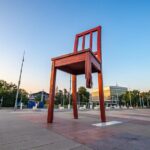
The start is in central Geneva at Rue des Grottes 22 (near public transportation). That’s a practical setup if you’re arriving by train or want an easy connection to other parts of Switzerland.
You sleep in Geneva on Day 1, which is useful for one simple reason: you can reset before the riding starts. Geneva also sets the tone for the route—this isn’t a sleepy backroad day, it’s the opening chapter of a full alpine week.
Even if your first day of cycling is the next morning, the meeting point matters. Staying organized from the start makes the rest of the week smoother, especially when the route mixes boats, climbs, and lake descents.
Day 2 and 3: Cruising the Lake and Earning Gruyères Views
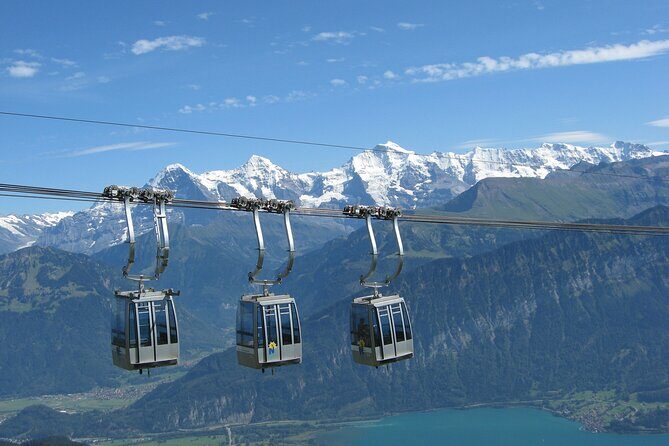
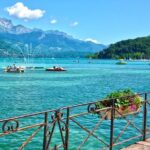
Day 2 begins with a cruise from Geneva to Yvoire on the French side of the lake. Then the ride turns upward, taking you to Chatel for the overnight. That lake-to-climb transition is a clever start: you get scenery before the legs start doing serious work.
This is also one of those days where experience helps. You’ll want to settle into a climb rhythm early because the energy cost stacks fast when you’re also managing a longer day (the schedule shows 12 hours on the route day).
Day 3 is another strong climbing day. You’ll ride up to the heights above Lake Geneva with about a 1,500 m climb, then overnight in Gruyères, a small town that’s famous enough to be known worldwide. If weather works out, you’re looking at a fondue-style meal as part of the vibe. Even if you don’t chase fondue as your goal, Gruyères is the kind of stop where the payoff is real: you climb hard, then you land somewhere people come to for the charm.
Thun and the Language Shift: Rolling Hills and a Smart Optional Rest Day
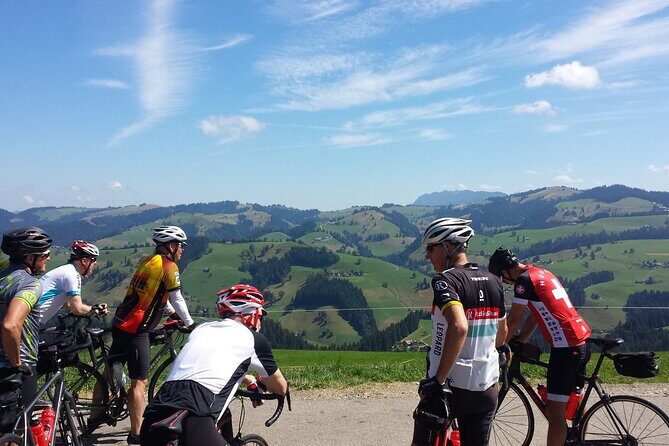
On Day 4, the route shifts from the French-speaking side to the German-speaking side of Switzerland. You’ll get no “killer-climb” day here—instead you ride rolling hills through the Gantrisch nature park. This is the kind of transition that helps a lot of cyclists recover without going fully sedentary.
Day 5 is different: you can add extra time in Thun. Many riders choose a rest day and then mix in Swiss-alps options like the Niederhorn or Jungfrau, or keep it simple with time on Lake Thun or Lake Brienz. That’s a big plus because it lets you balance the week depending on how your body is handling the passes.
If you’re the type who likes stretching your legs without adding climbing stress, Thun is a great place to do it. And if you’re feeling strong, you can treat the extra day as training with variety—just know you’ll still need to manage fatigue for the next big stretches.
Fluehli and Emmental: Narrow Roads, Cheese Country, and Quiet Recovery
Day 6 takes you through Switzerland’s Alpine Panorama route on narrow, quieter roads. It’s described as passing through Emmental cheese country, with an overnight in Fluehli at a recently renovated historic hotel. That “historic hotel” detail matters because it gives you a proper base for recovery after long saddle time.
You also get a nice local-style recovery option: cool-water baths above the town. If you’ve ever finished a week of climbing and felt your whole body tighten up, you’ll know why this kind of simple recovery plan is valuable.
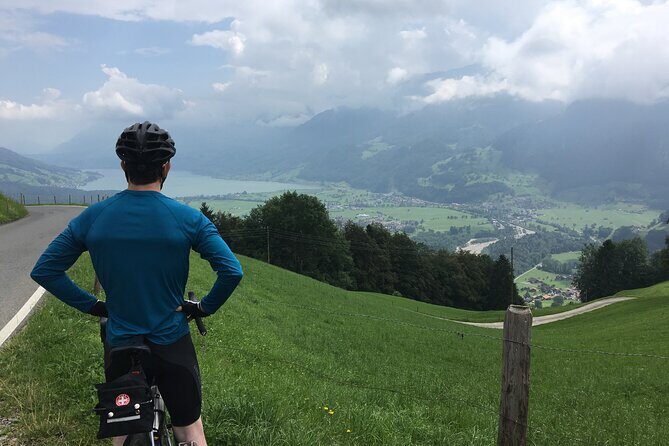
Day 7 is where the day’s effort returns. You’ll cross the Glaubenbuelen pass, then descend into big views over Lake Sarnen. After that, you ride mostly on flat lake roads until Beckenried on Lake Lucerne. In plain terms: you earn the descent with hard climbing, then you enjoy long, calmer miles that help reset your pace.

Klausen Pass and Lake Lucerne: William Tell Territory Meets Real Climbing
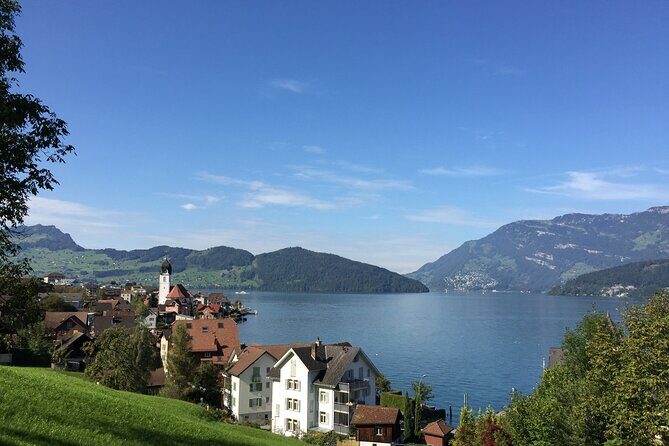
Day 8 starts with a boat ride across Lake Lucerne to the other side. Then you reach Altdorf, the home of William Tell, before taking on the tour’s toughest climb.
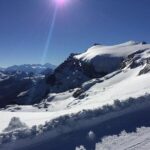
That climb is the Klausen Pass: about 1,600 m of climbing in 20 km, followed by roughly 20 km of downhill coasting. This is the kind of day that’s memorable for cyclists, not tourists—because it forces you to use your gears well, manage your breathing, and then enjoy speed when your legs finally get relief.
Then you overnight in Weesen on Lake Walensee. Lake Walensee is a great place to reset after pass day. It’s also a nice change of scenery compared with Lake Lucerne and the routes around it.
Appenzell: Santis Always There, Plus Valleys and Meadows
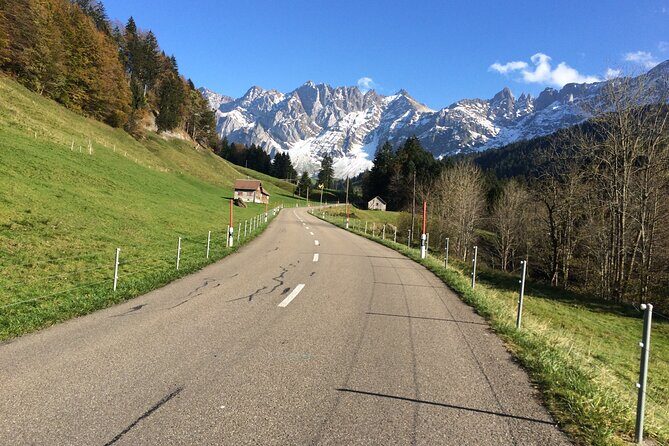
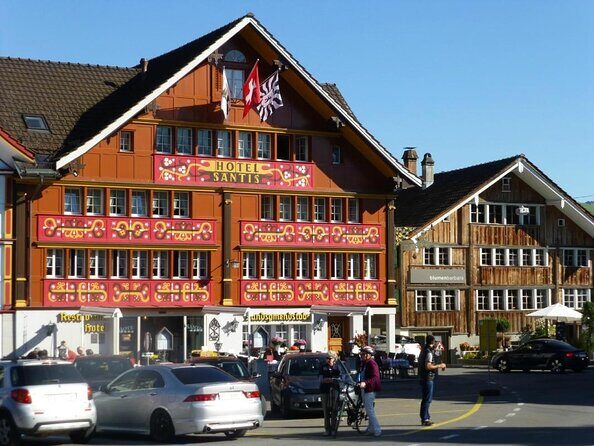
Day 9 runs through Appenzell’s valleys with the Santis mountain always in the foreground. You’ll skirt near its base, then head toward pasture lands and finally into Appenzell, surrounded by flowering meadows.
This day can be a treat even if you still ride hard, because the view helps with mental fatigue. Long climbs drain you physically, but long, scenic riding can keep morale stable when your energy is lower than you hoped.
Appenzell also gives you a cultural stop that feels more local than tourist-packaged. If you like meeting places where people live, shop, and walk between meadows, Appenzell is the right kind of break in the middle of a tough cycling week.
Romanshorn, Heiden, and Lake Constance: The Finale With Ice Cream Energy
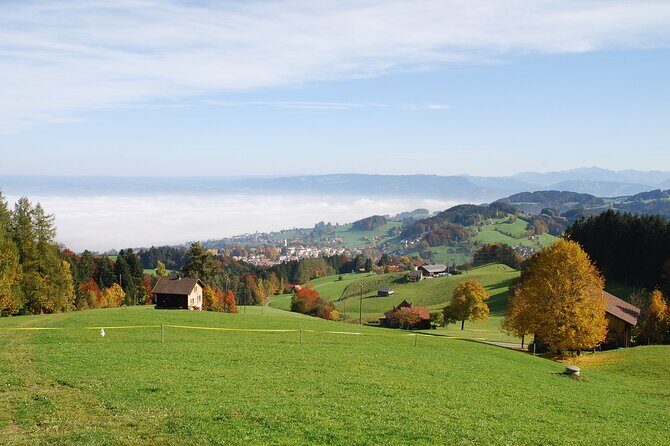
Day 10 shifts to the northeast with lots of gentle climbing and coasting. The route here is described as a natural roller-coaster through Appenzell, which often feels easier than it sounds because the workload spreads out.
You’ll end with a last climb to Heiden. The tour notes an ice-cream stop there, and then your first look at the sprawling Lake Constance. That combo is practical: the climb feels like the finale effort, and the reward is an easy mental switch from pain to scenery.
You sleep in Romanshorn on the shores of Lake Constance. That sets you up nicely for the last day, when you don’t have to keep climbing.
Day 11 wraps up by having you leave your bike in Romanshorn. Then you take a train back to Geneva—or you can choose another destination in Switzerland. The ride to Geneva is listed as about 4.5 hours, and you’ll likely want to stretch your legs in Bern if you’re passing through. It’s a clean ending: big cycling week, then a simple transition back to normal travel.
Price and Value: What You’re Paying For
The price is $4,596.97 per person. That’s a premium number, so you should ask what you’re really buying.
You’re paying for a multi-day route experience that’s structured around hard cycling goals: daily climbing targets, long saddle time, and a sequence of scenery that includes boats, lake riding, and passes. You’re also paying for organization—Bike Switzerland runs the experience, and guide John is repeatedly praised for quick answers and being prepared before and during the trip.
There’s also the “it adds up” detail: several days list admissions as free. That doesn’t mean everything is automatically included, but it does suggest some ticketed items won’t be another expense line you have to manage during your ride.
The booking rhythm matters too. The average booking window is about 101 days in advance. That’s a hint that this isn’t a spur-of-the-moment purchase—you’ll get better outcomes by planning early, especially if you’re trying to align with training time and lodging in Geneva.
Finally, the tour caps at 12 travelers. Smaller groups can mean less waiting and fewer bottlenecks at stop points. When you’re tired, small delays feel bigger.
Is the price worth it? For strong cyclists, it often is, because you’re not just buying kilometers—you’re buying a full route sequence with pacing that makes sense, plus support when questions come up. If you’re chasing scenery without strong cycling fitness, this cost won’t feel like value.
Pacing, Packing, and How to Survive Long Saddle Time
This tour is time-in-the-saddle work. Plan your pacing like it’s training, because it is. When the route lists around 6 to 7 hours daily and about 1,000 m of climbing, the biggest risk isn’t a surprise climb—it’s arriving tired for the next day’s effort.
In training language: treat each day as a repeatable effort. Try not to blow up early just because the scenery looks pretty. Save your best speed for when the route finally turns downhill, like after Klausen Pass.
Packing-wise, you’ll want to be ready for a lot of hours outdoors. Since the itinerary includes both cruises and long rides, think about layers for temperature changes between lake air and higher elevations. And because some stops are in smaller towns, bring what you need so you’re not relying on big-city convenience.
One more practical note: the experience uses a mobile ticket. Make sure your phone battery is reliable and that you can access your ticket without panic.
Should You Book This Alpine Tour Across Switzerland?
Book it if you fit the profile: strong road cyclist, comfortable with repeated climbing days, and motivated by a route that mixes passes, lake cruising, and cheese-country towns. You’ll likely appreciate how the week alternates hard days with recovery-friendly miles—especially after big climbs like Glaubenbuelen and Klausen Pass.
Consider skipping or choosing something easier if your goal is mostly sightseeing with light riding. This tour doesn’t read like a casual hybrid trip. It reads like an alpine training ride with sightseeing stops attached.
If you do book, go in with the right mindset: pace early, recover smart, and don’t ignore the value of the “rest-like” parts, like lake road miles and the optional extra day in Thun. That’s how you turn a tough week into a great one.
FAQ
How long is the Alpine Tour Across Switzerland?
The tour runs for 11 days (approx.).
How much will I ride each day?
You can expect an average of about 75 km per day with around 1,000 meters of climbing daily, usually 6 to 7 hours in the saddle.
Where does the tour start in Geneva?
The meeting point is Rue des Grottes 22, 1201 Genève, Switzerland.
Is the tour for cyclists with strong fitness?
Yes. Travelers should have a strong physical fitness level, and the tour is aimed at strong and experienced road cyclists who enjoy climbing.
What’s the group size limit?
The tour has a maximum of 12 travelers.
Are there boat or train parts during the trip?
Yes. You’ll have a cruise from Geneva to Yvoire on one day, and there are boat rides on other lake sections. On the final day, you’ll use a train back to Geneva (or another destination in Switzerland), with the return to Geneva listed as about 4.5 hours.