REVIEW · LUGANO
Guided Walk from Lugano to Gandria promoted by Lugano Region – return by boat
Book on Viator →Operated by Ente Turistico del Luganese · Bookable on Viator
Olives, lake air, and a quiet village in one. This guided route from Lugano to Gandria follows the Olive Trail, with real history at each turn and big Lake Lugano views as a reward. You start in town, pick up the countryside rhythm, then finish by returning to Lugano by boat.
What I like most is how the guide makes the stops feel connected, not random. You also get strong value for your money because the boat transfer is included and the walking sections you hit along the way come with free or included admissions, so you spend less time wondering what costs extra. One consideration: the walking is rated medium, and the day can feel longer than you expect if you’re counting on a relaxed stroll, so plan for time on your feet and wear closed shoes.
In This Review
- Key highlights at a glance
- From Via Magatti to Piazza della Riforma: how the day starts
- Parco Ciani’s quick nature reset before the longer walk
- The Olive Grove Trail: 18 panels and real olive know-how
- Gandria’s old-town calm: San Vigilio and car-free lanes
- Cantine di Gandria and the Swiss Customs angle
- Lago di Lugano time: where leisure meets big views
- Boat transfer back to Lugano: the built-in leg saver
- Price and value: what $26.40 really covers
- Who should choose this walk, and who might skip it
- Practical tips so your feet feel good at 2:30 pm
- Should you book the Lugano to Gandria walk with boat return?
- FAQ
- What time does the tour start and end?
- How long is the walk?
- Is the boat trip included in the price?
- What’s included for admission tickets?
- Is lunch or food included?
- Do I need to be an experienced hiker?
- What language is the guide in?
- What happens if weather is bad?
- Is there a limit on group size?
Key highlights at a glance
- Guided story stops: Piazza della Riforma, Parco Ciani, and the village sights in Gandria
- Olive Trail panels: 18 informative boards on olive history, botany, cultivation, and products
- Traffic-free Gandria center: calm lanes and stairs with classic lake views
- San Vigilio visit: the 16th-century church with a notable baroque interior and belfry
- Boat back to Lugano: a built-in break so your legs aren’t doing all the work
From Via Magatti to Piazza della Riforma: how the day starts
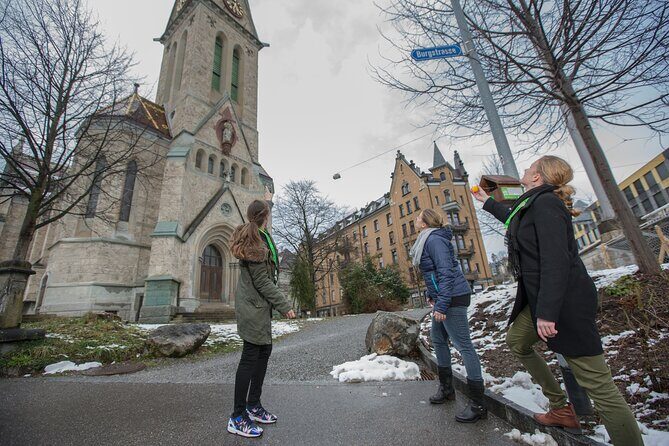
The tour meets at the Lugano Region tourist office at Via Massimiliano Magatti 6 in Lugano, with a 10:00 am start. Expect a structured morning: you’ll be walking from spot to spot, with a guide who sets context so the scenery isn’t just pretty, it’s meaningful.
Your first major anchor is Piazza della Riforma, Lugano’s central meeting place. The guide focuses on the square’s older identity as Piazza Grande and the political moments tied to it, including events in February 1798 and the path toward Ticino’s independence. If you like “small town history that actually happened here,” this opening does the job without getting heavy.
Even if history isn’t your main reason for coming, this stop is useful. It helps you understand why Ticino feels the way it does—Italian-speaking in culture, Swiss in structure—and it gives you a reason to look upward and around, not only at the lake.
You can also read our reviews of more walking tours in Lugano

Parco Ciani’s quick nature reset before the longer walk
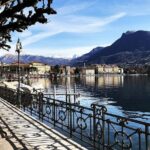
Right after the urban start, you move to Parco Ciani, a short walk from Lugano’s lively center. The park time is about 30 minutes, and the good part is that it works as a palate cleanser: green space, lake views, and an easy transition into the more countryside-focused part of the day.
This is a straightforward stop, and it’s also a smart one. Lugano’s lakefront sun can be strong, so the park gives you shade and a breather before you start earning those olive-and-lake views on foot.
Admission here is free, so you’re not spending your morning managing tickets. You just enjoy the setting and get ready for the walk that comes next.
The Olive Grove Trail: 18 panels and real olive know-how
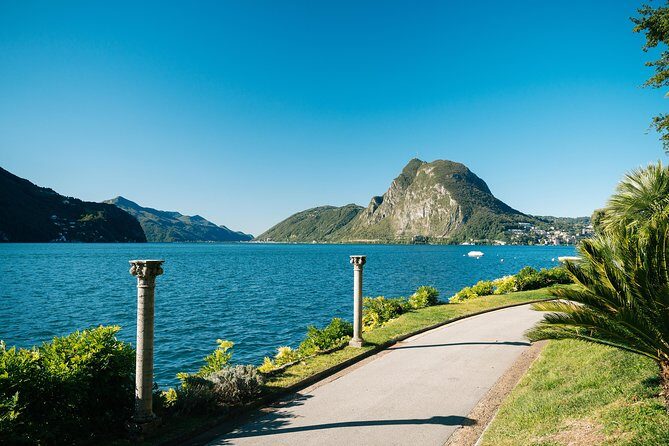
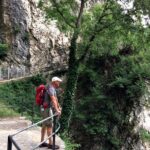
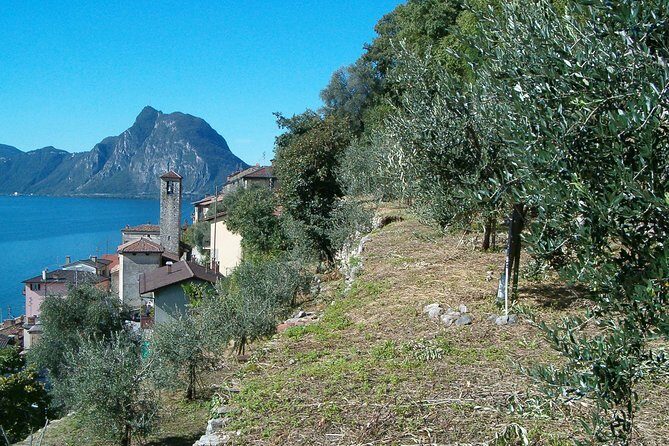
The heart of this experience is the stretch along the Olive Trail between the Lugano area and Gandria. The route runs countryside between Castagnola and Gandria, crossing hillsides with ancient olive trees.
What makes this section special is the way the trail is explained. You’re not just passing scenery—you’re learning as you walk. The path is identified by an olive logo, and there are 18 panels describing:
- the olive tree’s history
- basic botany
- how olives are cultivated
- what comes from them, including olive fruit and olive oil
One practical detail that matters: the olives you’ll see here are part of a renewed story. Fruit-bearing olive trees have been reintroduced recently, so you get to see how the landscape is still being shaped, not preserved as a museum.
If you’re sensitive to heat or slow starts, bring your pace discipline. This is a hillside walk, and your effort will feel more consistent than dramatic—steady work, then views that make it worth it. Wear your comfy walking shoes and keep water and a hat in mind.
Gandria’s old-town calm: San Vigilio and car-free lanes
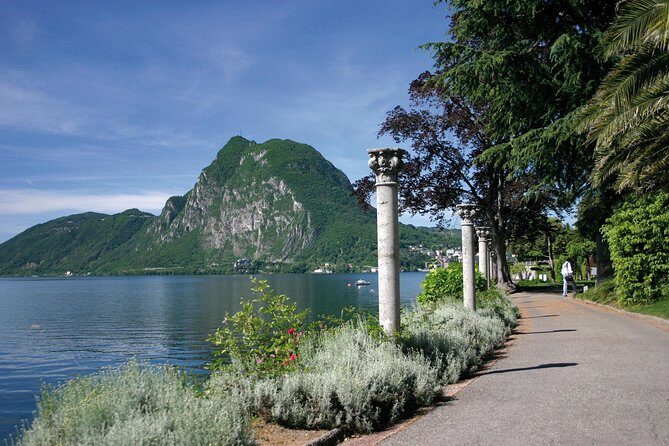
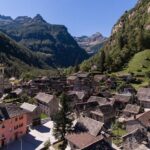
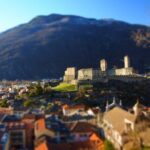
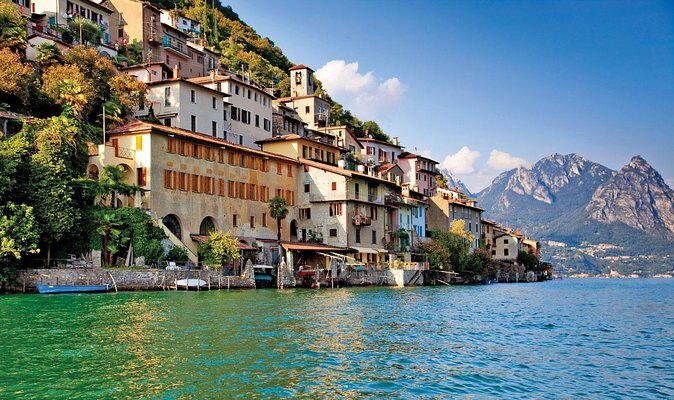
Once you reach Gandria, the vibe changes. You’re in a fishermen village at the bottom of Mount Brè with the lake right there. The center is closed to traffic, so you can hear yourself think and focus on the details: stairs, tiny streets, and viewpoints that appear when you turn corners.
Gandria also earns its reputation because it’s reachable two ways: by land or by lake. That matters because this tour builds in the lake return, so you don’t just see Gandria from the shore—you get to consider how it feels when you approach it from the water too.
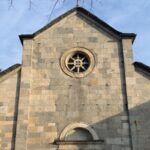
In the village center, you’ll focus on the 16th-century church of San Vigilio, known for its baroque interior, plus a late-medieval belfry. Even if you’re not a church person, it’s a satisfying stop because it’s both historic and visually specific.
The stop time in Gandria is about 2 hours, which is enough to slow down. This isn’t a check-the-box village stop where you glance and move on. You have room to look around, catch views, and understand why people come back here.
Cantine di Gandria and the Swiss Customs angle
A key part of the Gandria experience is the Cantine di Gandria area, sometimes reached by boat. This is where the Museum of Swiss Customs is located, and admission is included for this part of the tour.
That’s a nice surprise if you’re used to “lake towns” being mostly about scenery and cafes. Here, you get a practical slice of regional life—how customs and movement shaped local identity in Switzerland’s Italian-speaking corner. It gives the trip a sense of place beyond the postcard view.
You’ll also hear about grotti, the small rustic spaces associated with Ticinese eating and shelter from heat. The area around Cantine di Gandria to Caprino includes grotti, and while you may not stop at every one, the guide’s explanation helps you connect what you see with what people do there.
If you’re hungry, plan around it. The tour does not include lunch or drinks, so if you want a sit-down meal, decide early whether you’ll grab something in Gandria or after you return to Lugano.
You can also read our reviews of more boat tours in Lugano
Lago di Lugano time: where leisure meets big views
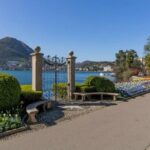
Back to the lake—Lago di Lugano is the reason this area draws visitors year-round. The tour includes a guided lakeside segment of about 45 minutes, with admission included for that portion.
This is your moment to notice the bigger picture. The lake isn’t just a scenic backdrop; it’s a working travel route with ferries and boats all year. In summer, it also becomes a leisure arena, and the guide helps you connect that to how locals and visitors use the water.
Even if you’re not swimming or renting a boat, use this time to slow down and look across the water. Lake Lugano’s rhythm changes depending on where you stand, and Gandria gives you one of the best angles for noticing that.
Boat transfer back to Lugano: the built-in leg saver
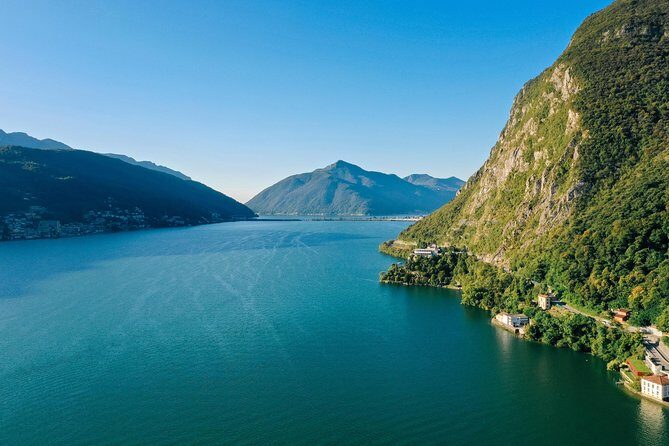
The day ends with a return by boat. You depart Gandria at 1:55 pm and arrive in Lugano at about 2:40 pm. That timing matters because it keeps the walk from turning into an all-day slog.
For most people, the boat transfer is the best tradeoff you can ask for on a guided day like this. You get scenery without the downhill grind, and you can reset before heading back to lunch plans or the rest of your Lugano day.
The tour also has a small group feel, with a maximum of 30 travelers. That usually means better pacing and a smoother experience, especially if your walking pace isn’t super fast.
Price and value: what $26.40 really covers
The price is $26.40 per person, and for that you get:
- a guided walk to Gandria
- the boat trip
- included admissions for specific parts along the way
- meeting at the Lugano Region tourist office
This is good value because the boat transfer alone tends to be one of the bigger costs when you plan it yourself, and here it’s already bundled. On top of that, you hit at least two sections with free admission (Parco Ciani and the olive trail panels), while other segments in Gandria come with admission included.
So you’re not paying just for a guide’s narration. You’re paying for a guided structure that gets you from Lugano’s center to a car-free village, with the lake ride that makes the logistics easy.
Who should choose this walk, and who might skip it
This is ideal if you want a guided mix of history + hillside walking + village calm without needing to plan ferry times yourself. It also works well for people who like learning as they walk, because the olive trail’s panels are a real teaching element rather than fluff.
Moderate physical fitness is required. The route is listed as medium walking, and you should bring comfortable shoes, a hat, and sunscreen. If you don’t enjoy uphill or you’re managing mobility issues, this may feel like too much for one morning.
It’s also a strong choice if you’re coming during shoulder or summer months and you want shade-and-view balance. The itinerary includes breaks built into the walking plan and ends with a boat ride, which helps.
Practical tips so your feet feel good at 2:30 pm
Here’s how I’d set yourself up for success on this route:
- Wear closed shoes with grip. The walk is rated medium and the schedule can feel long if your shoes aren’t up to it.
- Bring sun protection (hat and sunscreen). Lake Lugano can mean bright exposure, especially while walking hillsides.
- Don’t plan a demanding lunch right after arrival. You’ll be back in Lugano around 2:40 pm, and that’s a good time for something casual.
- Go in expecting a guided pace, not a wandering hike. If you prefer lots of independent freedom, you might want extra time before or after the tour on your own.
- If you’re traveling with kids, plan on adult supervision throughout. The tour notes children must be accompanied by an adult.
Should you book the Lugano to Gandria walk with boat return?
If you want one of the easiest ways to combine Lugano’s city side with a genuine village experience, this tour is a strong pick. The olive trail portion gives you a satisfying focus beyond sightseeing, and the stop in Gandria is calm and atmospheric in a way that you can’t recreate by rushing through on your own.
Book it if you like guided history, don’t mind medium walking, and want the lake ride as a built-in payoff. Consider a different plan if you’re looking for a very short stroll, or if you have low tolerance for time on your feet.
FAQ
What time does the tour start and end?
It starts at 10:00 am and ends back at the meeting point in Lugano. The boat return is from Gandria at 1:55 pm, arriving in Lugano at about 2:40 pm.
How long is the walk?
The duration is listed as about 4 to 5 hours.
Is the boat trip included in the price?
Yes. The boat trip is included, and the tour includes a return by boat from Gandria to Lugano.
What’s included for admission tickets?
Admission is free for Parco Ciani and the Olive Grove Trail. In Gandria, the relevant stop includes admission, and the Lago di Lugano segment also lists admission as included.
Is lunch or food included?
No. Food and drinks are not included, and there is no lunch provided.
Do I need to be an experienced hiker?
No, but you do need a moderate physical fitness level. The walking is rated medium, so comfortable shoes matter.
What language is the guide in?
The tour is offered in English, and it may be operated by a multi-lingual guide.
What happens if weather is bad?
The experience requires good weather. If it’s canceled due to poor weather, you’ll be offered an alternative date or a full refund.
Is there a limit on group size?
Yes, the tour has a maximum of 30 travelers.