REVIEW · LUGANO
Lugano Private Walking Tour with a Professional Guide
Book on Viator →Operated by Global Guide Services · Bookable on Viator
Lugano feels like two cities at once—past and present. This private 2-hour walk turns the center of Lugano into a story, from Celtic and Roman traces to later Ticino independence and the growth of tourism and banking. If you love history but want it delivered on foot (not in a lecture), this tour is a smart fit.
I especially like the private guide setup: your group gets the guide’s full attention, with no crowd noise or time wasted waiting around. I also like that guides can be flexible—so if you’re more into churches than squares, the route can shift on the spot. In the guide stories shared by past guests, Steffia and Carin both come up for their energy and practical tips, from what to eat to where to grab ice cream.
One thing to consider: entrance fees aren’t included, so places that require tickets may cost extra. Also, since it’s private and you’re paying per group (up to 15), the value is best when your group size is close to the cap.
In This Review
- Key highlights to look forward to
- Why Lugano’s history works best when you walk it
- Value and price: paying per group, not per person
- The pacing: a 2-hour private walk that doesn’t steamroll your day
- Starting at Piazza Riziero Rezzonico: get oriented fast
- Villa Ciani: the Italian-sun mood that frames everything else
- Piazza Indipendenza: where public life shows up
- Chiesa di San Rocco: churches as time machines
- Via Canova and Piazza Riforma: the in-between spaces you’ll remember
- Piazza Cioccaro: seeing the city’s everyday side
- Cattedrale di San Lorenzo: the oldest sacred stop on this walk
- Via Pessina and Via Nassa: finishing in the lanes locals use
- What you’ll learn beyond names and dates
- Private guide perks you’ll feel in real life
- Good to know before you go
- Who this tour suits best
- Should you book this Lugano private walking tour?
- FAQ
- How long is the Lugano Private Walking Tour?
- Is this tour private or shared with other people?
- How many people can be in the group?
- Where does the tour start and end?
- What sights are included on the walk?
- Are entrance fees included?
- What’s included in the price?
- Is there a mobile ticket?
- Is the tour near public transportation?
- What is the cancellation policy?
Key highlights to look forward to
- Your group only private experience with a local guide
- 2 hours on foot, designed to fit into a full day in Lugano
- Ancient roots to modern money, with stories from Celtic and Roman times through banking
- Flexible route options you can adjust with the guide on the spot
- Villa Ciani and major squares, so you see both views and everyday city life
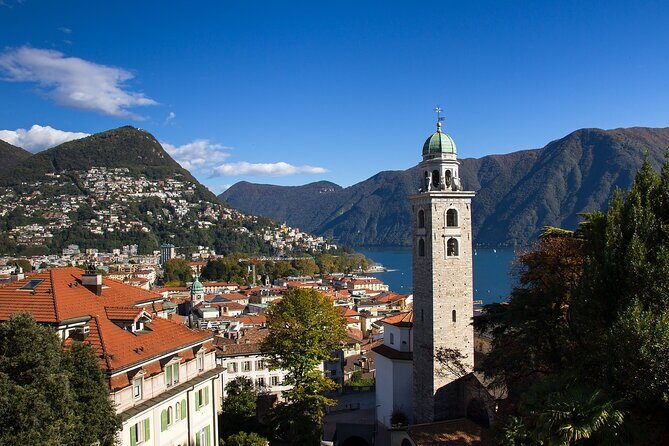
- Cattedrale di San Lorenzo, highlighted as the oldest sacred building in Switzerland
Why Lugano’s history works best when you walk it
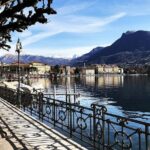
Lugano has a way of fooling you at first glance. It looks Italian in spirit—sun, palms, lakeside calm—but the layers underneath are Swiss, Alpine, and older than you’d guess.
That’s where a walking format matters. Instead of reading about Ticino’s past, you’re moving through the same kind of spaces where those stories played out: squares for power and public life, streets for daily movement, and sacred buildings for long memory. A good guide helps you connect what you see now with what used to matter.
You can also read our reviews of more walking tours in Lugano

Value and price: paying per group, not per person
This tour costs $421.97 per group, for up to 15 people, and it runs about 2 hours. That pricing structure is worth doing the quick math on: if you’re near the full group size, the cost per person drops a lot compared to typical per-person sightseeing tours.
If you’re coming as a couple or a family of four, it’s still a good deal if you want real conversation and tailored attention. But if you’re traveling solo and just want a quick overview, you’ll likely feel the price more, since you’re essentially buying a guide’s time for the group.
The good news is the time commitment is short. Two hours is enough to get oriented, see the key sights, and still leave room for your own plans—maybe lake views, lunch, or an afternoon pause in a café.
The pacing: a 2-hour private walk that doesn’t steamroll your day
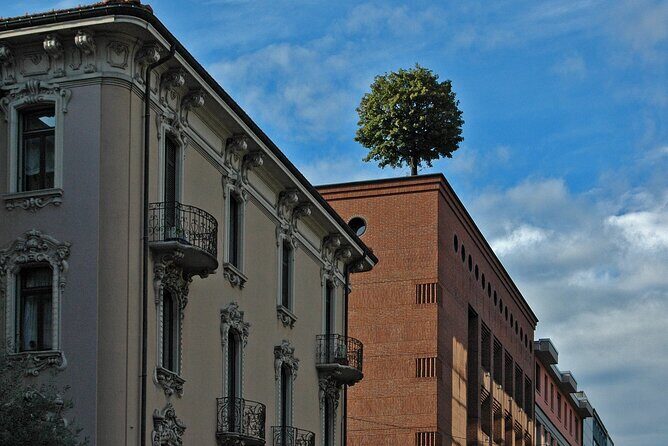
Two hours can be surprisingly productive in Lugano—especially when it’s private. You’re not stuck in a long circuit. You’re getting the center’s essentials and the history threads a guide can explain while you’re walking.
This is also the kind of duration that works for families. One guide experience described a comfortable pace for the whole group, with a history-and-today mix that didn’t feel heavy. If you want a city tour that won’t drain you before dinner, this timing is a practical win.
Starting at Piazza Riziero Rezzonico: get oriented fast
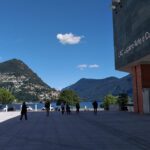
Your tour begins at Piazza Riziero Rezzonico 7 and ends back at the same meeting point. That start-and-finish pattern is more than convenience. It means you can plan the rest of your day around an easy return point, rather than needing to rework transport or walk back after the tour.
It’s also listed as being near public transportation, which matters if you don’t want to rely on taxis. Lugano’s center is compact enough that you can still explore on foot after you’re done.
Villa Ciani: the Italian-sun mood that frames everything else
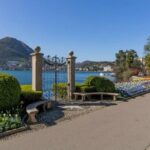
One of the first stops is Villa Ciani. Even if your main goal is history, this kind of garden-and-villa setting helps you understand why Lugano feels Italian. The vegetation, sunshine, and water proximity aren’t just pretty—they shape how people live here now.
For me, that matters because the guide’s historical stories land better when the present scene is vivid. You’re not only learning about older power shifts; you’re also seeing the kind of environment that helped Lugano become a place people wanted to visit and settle into.
You can also read our reviews of more guided tours in Lugano

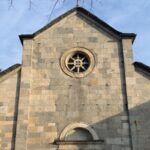
Piazza Indipendenza: where public life shows up
From Villa Ciani, you move toward Piazza Indipendenza. Squares are where cities show their priorities—politics, commerce, gatherings, and everyday rhythms all tend to concentrate here.
A good private guide will use these spaces to point out patterns: how a city’s role changes, how old eras leave their fingerprints, and how modern life takes over the same corners. This tour is designed to connect those dots, so the square becomes more than a photo stop.
Chiesa di San Rocco: churches as time machines
Next comes Chiesa di San Rocco. Sacred spaces often work like anchors in a city. Even when styles and rulers change, religious buildings can keep a thread of continuity.
You’ll learn how Lugano’s story includes ancient Celtic and Roman influence, then moves through centuries of struggle over control of the Ticino region. When a guide can connect those broader themes to a real building in front of you, the past stops feeling abstract.
Via Canova and Piazza Riforma: the in-between spaces you’ll remember
You’ll walk through Via Canova and Piazza Riforma. Streets and squares like these are where the city’s human scale shows up. They’re not just connections between major sights; they’re part of how Lugano “works” day to day.
That’s also where local guidance becomes useful. In past guide experiences, guests highlighted how the guide gave practical suggestions—like where to eat and even a great ice cream spot. While those details can’t be predicted for your specific day, the tour format is built for it: you’re already out in the city, so advice can be tailored to what you’ve just seen and what you might want next.
Piazza Cioccaro: seeing the city’s everyday side
Piazza Cioccaro is another stop in the heart of things. When a route includes multiple squares, it usually means the guide wants you to get a feel for public space patterns—where people gather, how the urban layout supports movement, and how different eras can occupy the same overall area.
It’s also a strong moment for learning the political timeline. This tour covers the three centuries of conflict over control in Ticino, then moves into later chapters connected to Napoleon, the Helvetic Republic, and the independent Republic of Ticino.
Cattedrale di San Lorenzo: the oldest sacred stop on this walk
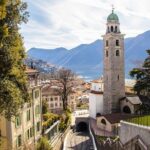
The highlight stop for many people is Cattedrale di San Lorenzo—presented in the tour as the oldest sacred building in Switzerland. Even if you’re not a church-architecture specialist, a cathedral like this helps you grasp why places like Lugano mattered for generations.
This is also where the guide’s storytelling can connect the dots between faith, community, and power. The tour’s historical themes—from earlier cultural layers to the region’s later political shifts—fit naturally with a long-standing religious landmark.
Just remember: entrance fees aren’t included, so if you plan to go inside at this stop, budget for that separately.
Via Pessina and Via Nassa: finishing in the lanes locals use
Finally, you’ll head through Via Pessina and Via Nassa as you close the loop back toward the meeting point. These street segments are the kind of walk that helps you remember a city, not just collect facts.
By the time you hit the end, you should feel like you can navigate Lugano’s center on your own. That’s a real travel win: getting your bearings fast, then enjoying the rest of your day without feeling lost.
What you’ll learn beyond names and dates
This tour isn’t just a list of sights. It’s built around major historical threads the guide connects as you move through the city:
- Ancient Celtic and Roman influence, showing how far back the region’s story goes
- The Gotthard Pass connection, linking Lugano to wider Alpine movement and trade patterns
- Centuries of control conflicts in Ticino, explaining why politics and geography mattered
- The shift into Napoleon, the Helvetic Republic, and an independent Republic of Ticino
- The Risorgimento influence, tying local changes to Italian unification
- The later rise of tourism and the banking system, which helps explain modern Lugano’s feel
For you, the value is that these themes explain the city’s character. Lugano doesn’t just look attractive; it became that way for reasons connected to travel routes, regional identity, and later finance and leisure. A guide’s job here is to make those connections clear while you’re still fresh and walking.
Private guide perks you’ll feel in real life
A walking tour with the guide to yourself isn’t only about comfort. It changes the whole experience.
- You can ask follow-up questions as you go, instead of waiting for a big group to move
- If you have priorities—more church focus or more street-life focus—you can steer the balance
- You can get immediate advice for the next steps of your day, which is exactly how Steffia and Carin were described by guests
One guest even mentioned a guide offering contact for dinner follow-up. While you can’t assume that will happen every time, the format encourages practical help.
Good to know before you go
A few practical notes make a difference:
- You’re on a 2-hour walk, so wear comfortable shoes
- You’ll use a mobile ticket
- Entrance fees aren’t included, so plan for that if you want to go inside
- The tour is private and only your group participates, with the guide staying with you
- Confirmation happens at booking, and service animals are allowed
Also, since this is a private setup, it helps to be ready on time at Piazza Riziero Rezzonico 7. The tour ends where it starts, so once you’re finished, you can immediately continue exploring.
Who this tour suits best
I’d point this toward travelers who want:
- A short, guided overview of Lugano’s core without rushing
- History that’s explained in plain terms as you see the places
- Families who like movement but don’t want a long slog
- Friends or small groups who can split the group cost for best value
If you’re the kind of traveler who hates planning, this can still work because the guide’s job is to connect everything while you walk. If you’re the kind of traveler who likes total freedom and no structure, you might prefer a self-guided loop—just remember you’ll miss the guided historical framing.
Should you book this Lugano private walking tour?
I’d book it if you want Lugano’s story from Celtic and Roman roots to Ticino politics and later tourism and banking, but you want the experience delivered in real walking time—not in a museum setting. The private guide format and the compact 2-hour pacing are the biggest selling points for me.
I’d skip or rethink it if you’re traveling solo on a tight budget, because $421.97 per group can feel steep without enough people to share the cost. Also, if your plan depends on multiple paid entrances, remember the tour says entrance fees aren’t included.
If you’re comfortable paying for a guide and you want a clear route through Lugano’s most meaningful central sights, this is a very workable choice.
FAQ
How long is the Lugano Private Walking Tour?
It lasts about 2 hours.
Is this tour private or shared with other people?
It’s private. Only your group participates with the local guide.
How many people can be in the group?
The price is for a group of up to 15 people.
Where does the tour start and end?
It starts at Piazza Riziero Rezzonico 7, 6900 Lugano, Switzerland, and ends back at the meeting point.
What sights are included on the walk?
The tour includes Villa Ciani, Piazza Indipendenza, Chiesa di San Rocco, Via Canova, Piazza Riforma, Piazza Cioccaro, Cattedrale di San Lorenzo, Via Pessina, and Via Nassa.
Are entrance fees included?
No. Entrance fees are not included.
What’s included in the price?
A local guide who works with your group only, plus a private guided tour. There’s also possible customizing on the spot with your guide.
Is there a mobile ticket?
Yes, the tour uses a mobile ticket.
Is the tour near public transportation?
Yes, it’s listed as near public transportation.
What is the cancellation policy?
Free cancellation is available up to 24 hours in advance for a full refund.