REVIEW · GRINDELWALD
Jungfrau Travel Pass 3-8 days
Book on Viator →Operated by Jungfrau - Top of Europe · Bookable on Viator
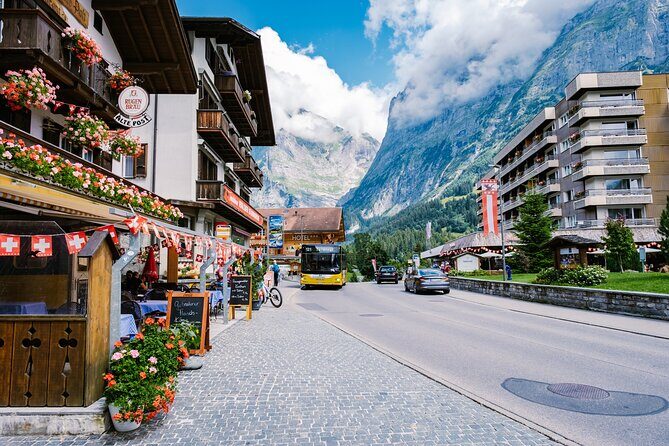
Swiss Alps, solved with one pass. The Jungfrau Travel Pass turns the Bernese Oberland into a no-stress playground, with unlimited regional transport so you can move between Interlaken, Grindelwald, Lauterbrunnen and the mountain railheads at your pace.
What I like most is how it reduces friction. A mobile ticket means you’re not stuck buying separate tickets each time you change valleys, and the whole system is built for train-and-gondola hopping between viewpoints and trailheads under the Eiger, Mönch, and Jungfrau.
One consideration: it doesn’t cover everything. You’ll still need to handle some missing pieces—especially the connection ticket for Jungfraujoch (Top of Europe) from Eigergletscher—and some mountain links/cable cars may cost extra depending on where you go.
In This Review
- Key Highlights at a Glance
- What This Jungfrau Pass Gets You (and Where It Doesn’t)
- Riding the Bernese Oberland: The Real Benefit Is Time
- Stop by Stop: Jungfraujoch, Schynige Platte, and Mount First
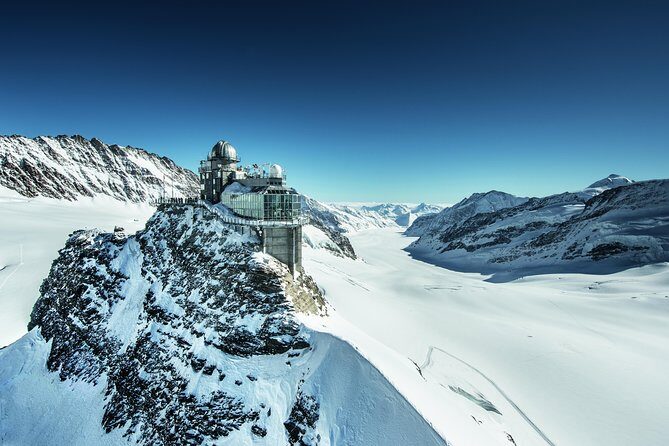
- Jungfraujoch: The Big Summit Day (and the one missing ticket)
- Schynige Platte: A Mountain Railway Feel with Built-In Time
- Mount First (Firstbahn AG): The Fun Mountain Add-On
- Hiking Days Under the Eiger, Mönch, and Jungfrau
- Price and Value Check: When It’s a Bargain, When It’s Not
- The pass is a great fit when you’ll:
- The pass may disappoint when you’ll:
- Practical Tips That Prevent Head-Scratching
- Know your ticket format: voucher vs official pass
- Understand the coverage gaps before you commit to Schilthorn-style detours
- Double-check seasonal operations
- Expect the pass to be date-specific
- Final Decision: Should You Book the 3–8 Day Jungfrau Travel Pass?
- FAQ
- How long is the Jungfrau Travel Pass valid?
- What does the pass include?
- What isn’t included with the pass?
- Is Jungfraujoch Top of Europe fully included?
- Does the pass include travel to Männlichen?
- Do I need a guide?
- Can I cancel for a full refund?
- Do I receive a mobile ticket?
Key Highlights at a Glance
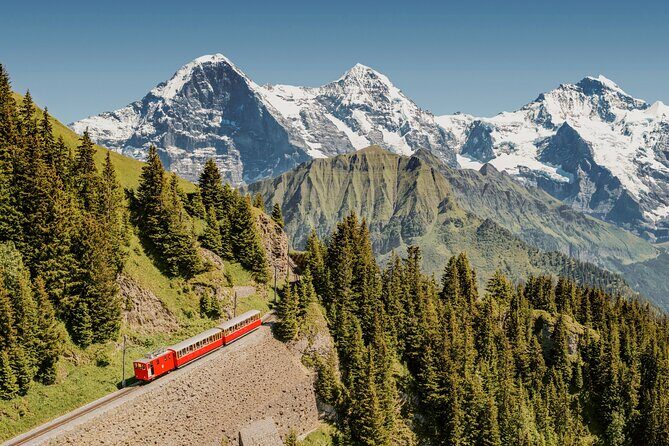
- Unlimited rides across select rail, gondola, bus, and boat routes in the Jungfrau region
- Jungfraujoch access plan: the main entry is included, but the Eigergletscher connection ticket is not
- Free travel to Männlichen with the pass
- Best used for 3–5+ days of active riding and hiking (value drops if you do fewer trips)
- Weather hits hard if you buy shorter passes and the mountains go white-out
- Ticket clarity matters: double-check which cable cars/mountain trains are covered for your exact route
What This Jungfrau Pass Gets You (and Where It Doesn’t)
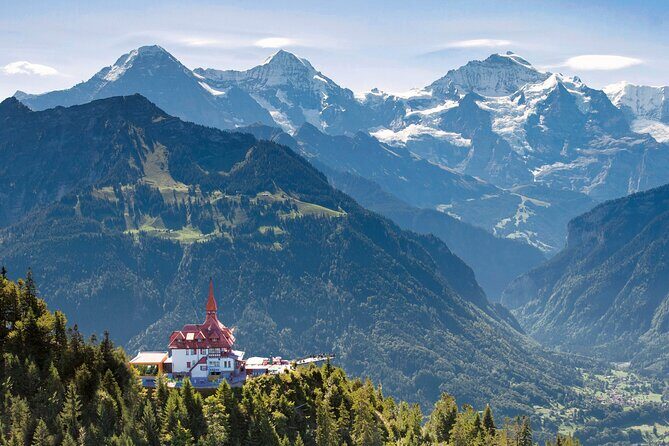
This is a 3-, 4-, 5-, 6-, 7- or 8-day pass for the Jungfrau region around Grindelwald and Interlaken. Your big win is unlimited access on select public transport lines, which typically means you can string together trains, gondolas, buses, and even boat rides without doing mini budgeting every time you switch systems.
A couple of “nice to know” items that affect planning:
- Jungfraujoch (Top of Europe): admission is included for the stop at Jungfrau/Jungfraujoch, but the connection ticket from Eigergletscher to Jungfraujoch Top of Europe station is not included. The good news is you can buy that connection locally at a reduced price if you’re a pass holder.
- Männlichen: there’s free travel to Männlichen with the Jungfrau Travel Pass, which is great because it makes it easy to add one more viewpoint day without extra ticket math.
- Transport coverage is not “everything in the Alps.” Some mountain segments/cable cars are not included, and that can mean added costs if you had a very specific route in mind.
One more practical detail: back in Summer 2019, the cable car Grindelwald Grund–Männlichen (GGM) was listed as closed for construction. That was years ago, so treat it as a reminder to check current schedules for any connection you rely on.
You can also read our reviews of more tours and experiences in Grindelwald.
Riding the Bernese Oberland: The Real Benefit Is Time
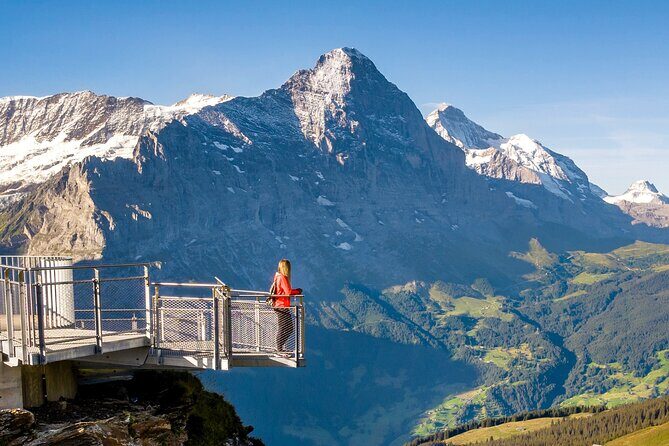
In the Jungfrau region, travel is not just “getting there.” It’s part of the day. The pass is valuable because it lets you treat transport as a tool for exploring—rather than something you only do when you’ve decided on a destination hours ahead.
Here’s how the network works for you in real life:
- You can use rail and gondola routes to jump between towns and mountain lookouts without repeatedly standing in line for tickets.
- You can build a day around trailheads: go up, hike down or around, then return the way you came.
- The region is set up for short hops and long views—so the pass encourages you to ride more than you planned, because every extra segment feels low risk.
I also like the way this pass supports “plan lightly, react fast” travel. If clouds roll in, you can pivot to the next ride or viewpoint on your route. If the weather breaks, you can spend longer where you are instead of racing to catch transport you’ve already paid for separately.
Stop by Stop: Jungfraujoch, Schynige Platte, and Mount First
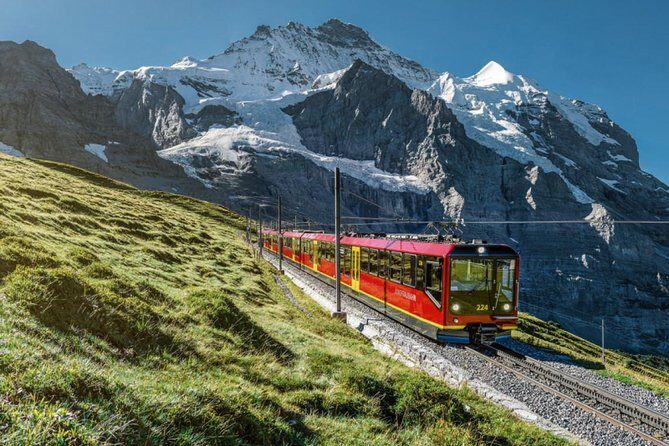
Your day-to-day experience here comes from three big anchors. Each one has its own rhythm.
Jungfraujoch: The Big Summit Day (and the one missing ticket)
Jungfrau/Jungfraujoch is the crown jewel stop, and the good news is the admission is included in the pass experience. Expect this to be your “I’m really here” moment—high altitude scenery and serious Alpine atmosphere.
The catch is the connection ticket. The pass includes the stop, but you’ll still need to handle the connection from Eigergletscher to Jungfraujoch Top of Europe with a locally purchased ticket. The pass-holder price is reduced, so it’s not a full hit, but it’s still something to plan for so you don’t get surprised at the wrong counter.
Practical tip: if you’re doing Jungfraujoch, build your day so you’re not rushing. At altitude, conditions can change fast, and you want room to breathe, not sprint.
Schynige Platte: A Mountain Railway Feel with Built-In Time
Schynige Platte is included for admission, and the itinerary slot is about 1 hour. This is the kind of stop that works well when you want big views without making the entire day a single long climb-and-cope mission.
What I like about Schynige Platte with this pass is how it fits into a multi-stop day. You can pair it with other mountain excursions in the Jungfrau region and keep momentum.
If you like riding distinctive trains and then getting out to look around, this stop tends to feel like a natural “checkpoint” between bigger experiences.
Mount First (Firstbahn AG): The Fun Mountain Add-On
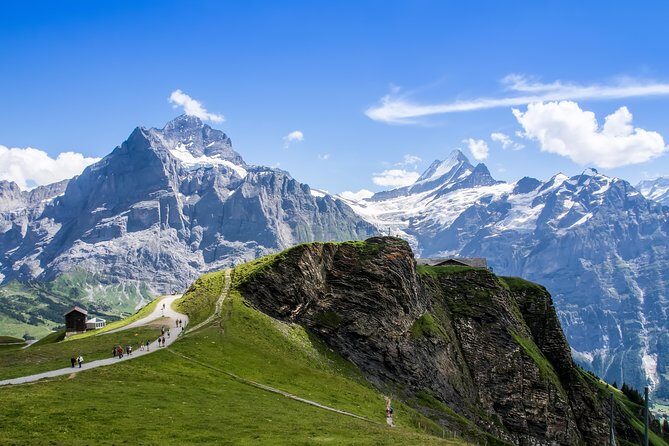
Mount First is part of the itinerary for about 2 hours, and the admission there is listed as free. That means you can often use First as your “extra credit” mountain stop without inflating your budget.
First is ideal for days when you want scenery and activity without turning everything into a single mega-summit plan. It also pairs well with a hiking mindset—get up high, spend a couple hours exploring the area, then keep moving.
If your itinerary has any slack, First is a great place to put it, because you can adjust your time there depending on how the weather and crowds feel.
Hiking Days Under the Eiger, Mönch, and Jungfrau
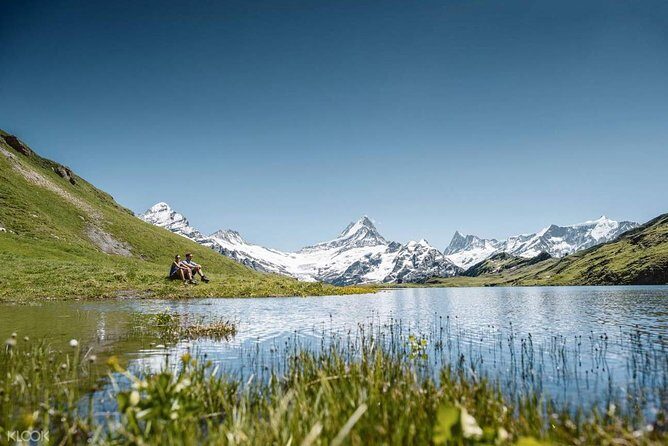
This is a hiking region. The pass is designed for people who want to use the trains as a way to access trails, not just to sightsee from one peak and call it a day.
The pass is especially strong when you plan around repeatable movement:
- Use a train or gondola to reach a trail zone.
- Hike between viewpoints or down toward a town.
- Ride again to reset for the next trailhead.
A big reason shorter passes can still work: you’re not limited to one single route. With 3–8 days, you can spread your hiking interest across multiple bases—Interlaken and the valley towns—and then pop up into the mountains as often as you can.
One note from real usage: the value can vary by pass length because some boat/ferry rides and extras are not covered on shorter durations. If your plan includes lake boat time, I strongly suggest you target 5 days or more so you don’t get stuck doing paid add-ons at the end.
Price and Value Check: When It’s a Bargain, When It’s Not
At $260.88 per person, this isn’t a casual purchase. The pass only really shines if you’re going to ride a lot and do multiple mountain excursions.
Here’s the value logic I’d use if I were planning your trip:
The pass is a great fit when you’ll:
- Do lots of train/gondola hops across towns and mountain railheads
- Spend 3–6 days in the Jungfrau region (this is where the math tends to click)
- Plan multiple hiking days or viewpoint stops instead of one big summit and a few photos
The pass may disappoint when you’ll:
- Do just a couple of rides
- Treat this as a once-in-a-while add-on rather than the backbone of your itinerary
- Miss key inclusions because you picked a route without checking what’s covered on your specific mountain links
Some people end up surprised by how “close, but not fully covered” certain routes can be. The fix is simple: before you lock your plan, map your must-do rides and confirm which exact cable cars and train sections are covered by the pass. If you do that, the pass tends to feel like a money-saver and time-saver.
Also: if the weather is bad for your chosen days, the pass can still be worth it because you’re not wasting money on every new ticket—yet it still can’t change the fact that white-out days reduce what you’ll enjoy on the summit.
Practical Tips That Prevent Head-Scratching
A lot of the “this pass is great” experience comes down to avoiding small confusion.
Know your ticket format: voucher vs official pass
Even if your voucher looks like it can work on your phone, you may still need to exchange it for an official pass at a rail office in the Jungfrau region. In one case, a conductor was unhappy when the exchange hadn’t been done. I’d rather you be safe than stressed: if your confirmation says you’ll get a voucher, plan to complete any required exchange early, not mid-day on a mountain train.
Understand the coverage gaps before you commit to Schilthorn-style detours
Some mountain connections are not covered. Examples that can cost extra include parts related to Pfingstegg and lower sections of the Schilthorn route (such as the Allmendhubel to Mürren portion, even when other segments may be included). You don’t need to memorize every line—just confirm your route so you don’t get an unexpected bill at a ticket gate.
Double-check seasonal operations
Many railways in this area run on seasonal schedules. Winter closures are real, and some lines don’t open until late May. If you’re traveling outside peak summer, verify which routes are operating when you arrive.
Expect the pass to be date-specific
One of the drawbacks you should plan for: the pass is not something you can easily pause and resume later. If you buy a 3-day pass and two days turn into rain/snow-white conditions, you may find you’re still using the pass days whether you feel like it or not. In bad weather, you can still ride and explore, but the mountain payoff can shrink.
Final Decision: Should You Book the 3–8 Day Jungfrau Travel Pass?
Book it if your trip is anchored in the Jungfrau region for at least a few days, and you want to use public transport as your default way to explore. If you’re doing multiple mountain viewpoints, hiking, and switching between towns like Interlaken and Grindelwald, this pass often pays off in both time saved and reduced ticket hassle.
Skip it or at least reduce your commitment if you only plan an “odd day trip” style visit. With a few paid tickets, the value can fall flat fast, especially if some of your desired routes sit in the coverage gap.
If you’re aiming for a smooth Swiss Alps rhythm—train up, hike around, ride again—then this pass fits. It’s one of the more practical ways to enjoy Bernese Oberland without turning every ride into a separate decision.
FAQ
How long is the Jungfrau Travel Pass valid?
It’s available for 3, 4, 5, 6, 7, or 8 days.
What does the pass include?
The pass includes unlimited-use travel on select transport lines (train, gondola, bus, and boat) in the Jungfrau region, plus included admission for stops like Jungfrau and Schynige Platte, and free admission for Mount First.
What isn’t included with the pass?
Food and drinks aren’t included. Also, the connection ticket from Eigergletscher to Jungfraujoch Top of Europe is not included (but can be purchased locally at a reduced price for pass holders). Some mountain/train sections may cost extra depending on where you go.
Is Jungfraujoch Top of Europe fully included?
Admission for the Jungfrau/Jungfraujoch stop is included, but you’ll still need the Eigergletscher connection ticket to reach Jungfraujoch Top of Europe station.
Does the pass include travel to Männlichen?
Yes. You get free travel to Männlichen with the Jungfrau Travel Pass.
Do I need a guide?
No guide is included.
Can I cancel for a full refund?
Yes. Free cancellation is available if you cancel at least 24 hours before the experience’s start time.
Do I receive a mobile ticket?
Yes, the pass is a mobile ticket. Confirmation is received at booking time.