REVIEW · ZURICH
Kloten Foxtrail Picasso
Book on Viator →Operated by Foxtrail Schweiz · Bookable on Viator
Art theft. Radar clues. City walking.
Foxtrail Picasso turns Kloten, just outside Zurich, into a playful mission built around Pablo Picasso’s famous Dove with Peas theft story. The premise is pure fun: a fox is tracking leads about an air freight shipment, and you help stop the plan by cracking arts-and-aviation style tasks that link clue to clue.
I like that it mixes art with technology in a way that feels hands-on, not museum-y. I also like the built-in rhythm of the format: short puzzle stops, then movement on foot and by public transport, which makes the whole thing feel like exploring rather than marching.
One thing to consider: you’ll need to follow directions closely, and some navigation can be tricky without using your phone. Also, this is meant for good weather, and it can be longer than the marketing estimate if you want to savor every station carefully.
In This Review
- Key things to know before you go
- Why the Foxtrail Picasso story fits Kloten by Zurich Airport
- How the game moves: posts, transit jumps, and aviation-style clue work
- Starting in Kloten: what you must bring and why it matters
- Each stop is a puzzle check: what you’ll do at the posts
- Art and technology: why this Picasso version gets high marks
- Navigation reality near Zurich: make your phone part of the plan
- Price and value: is $45.50 for 2.5 hours worth it?
- Rain, tech quirks, and keeping the mission fun
- Who this suits best in Zurich: families, puzzle hunters, and dog walkers
- Should you book Foxtrail Picasso in Kloten?
- FAQ
- How long is the Foxtrail Picasso?
- Where do I start the Foxtrail Picasso?
- How much does it cost per person?
- What do I need to bring?
- Is the Foxtrail Picasso a private activity?
- Is it suitable for walking and kids?
- Does it depend on weather?
Key things to know before you go
- Picasso meets aviation: the storyline leans on Zurich airport radio/radar-style thinking, not just generic riddles.
- Urban adventure format: permanently installed posts with hidden clues you solve step-by-step.
- Public transport + walking: expect segments on foot and transfers via local transit.
- Bring what check-in needs: printed reservation confirmation with a barcode plus starting documents and a phone per team.
- Tech-based stations: praised for art-and-technology variety, but plan for the occasional non-working component.
Why the Foxtrail Picasso story fits Kloten by Zurich Airport
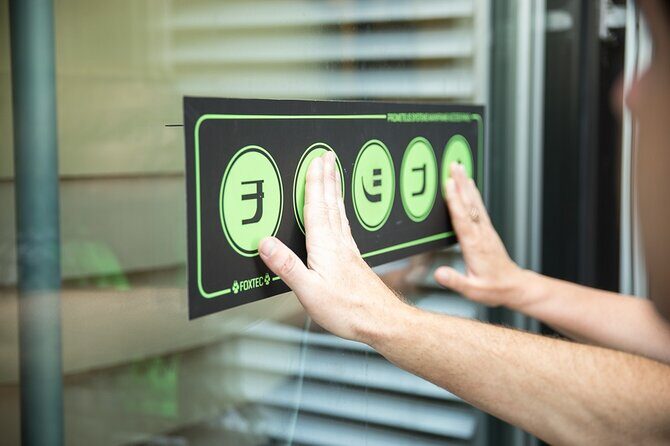
This Foxtrail isn’t set in some distant fantasy land. It’s in real urban space—Kloten’s streets and transport connections—wrapped in a very specific plot. You’re helping the fox who’s been listening to the trail around the 2010 theft of Picasso’s Dove with Peas. Two shady characters are reportedly waiting for an air freight where the painting should be, and your job is to get the stolen goods into the right hands.
What makes that more than just a theme is the way it shapes the kind of puzzles you’ll solve. The trail repeatedly nudges you toward arts-and-aviation logic. You don’t just search for answers; you interpret messages as if you’re decoding a shipment plan.
If you like the idea of mixing culture with a bit of detective work, this has a clear appeal. You’ll be paying attention in a different way than a normal walk—more like scanning, matching, and confirming.
You can also read our reviews of more tours and experiences in Zurich.


How the game moves: posts, transit jumps, and aviation-style clue work
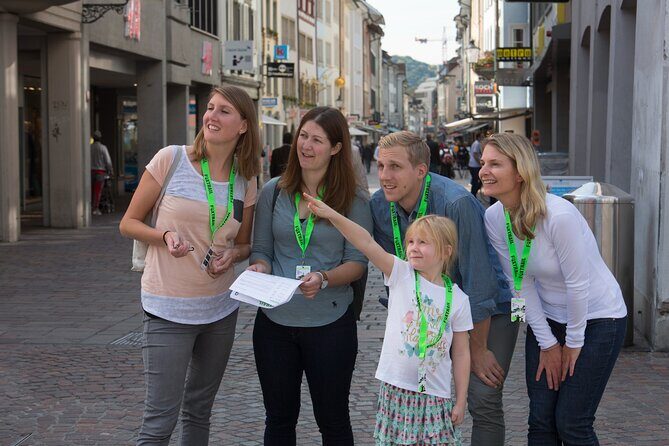
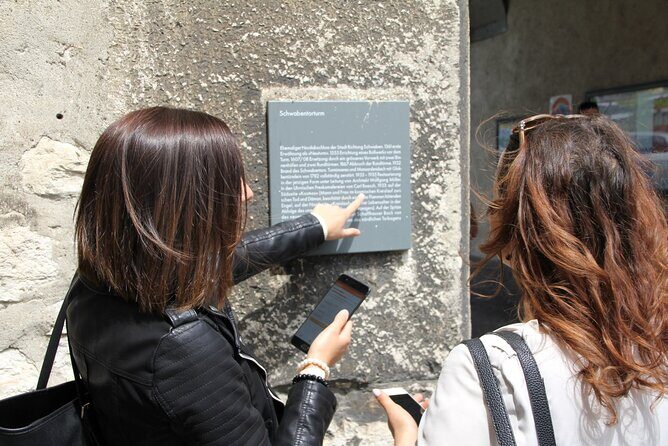
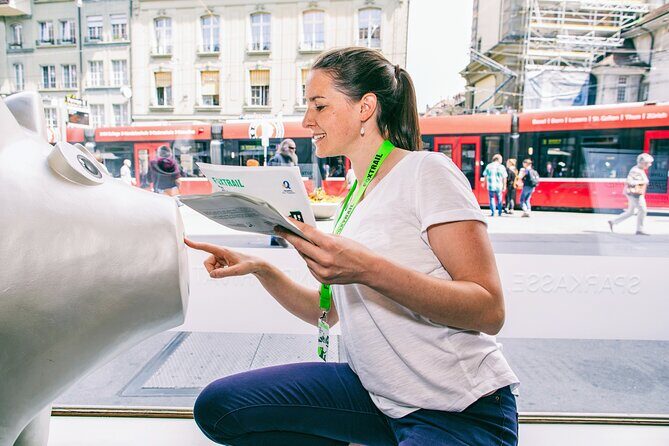
Foxtrail works like an urban scavenger hunt with structure. The posts are permanently installed in the area, and you follow the fox’s footsteps on foot and using public transport. Each post typically gives you something to solve: secret messages, tricky tasks, or hidden clues that point you toward the next stop.
For Foxtrail Picasso specifically, the aviation angle isn’t just background. The trail description calls out Zurich Airport’s aeronautical radio and a radar system as important elements. Translation: you should expect clues where reading carefully and thinking in a structured way matter—like how you’d interpret signals, patterns, or coordinates in a flight context.
One practical payoff: because the route uses public transport between segments, the trail doesn’t require one long hike. It’s built for city stamina instead of wilderness endurance. In the same spirit, the posts are designed to be varied—fun notice boards on interesting buildings, playful setups, and technical items that trigger messages in a creative way.
Starting in Kloten: what you must bring and why it matters
This is the part that can make or break your start. You’re expected to have your printed reservation confirmation with a printed barcode, plus starting documents. The ticket process also matters: you buy at the departure station using that confirmation, then stamp your tickets before the start.
And yes, bring a phone. The trail asks for a cell phone for each team, even though mobile service isn’t included. In practice, that phone is useful for keeping the team oriented and staying efficient when you’re moving between posts.
Also note the practical reality of teams. The experience is listed as a private activity, meaning only your group participates. That’s good news if you want space to work together without feeling rushed or competing with other teams for clue time.
If you want the smoothest run, do this small prep beforehand:
- Print everything so you aren’t stuck at check-in with a screen.
- Make sure your team has one working phone with a way to navigate.
- Read the starting documents early, not after you’ve already begun.
Each stop is a puzzle check: what you’ll do at the posts
Foxtrail stations aren’t just trivia prompts. They’re designed to make you physically interact with the environment, then mentally process what you found. Based on the trail’s general format, you can expect tasks like:
- reading and interpreting secret messages hidden in plain sight
- solving logic puzzles that connect to the next instruction
- discovering clues inside creative fixtures (boards, playful objects, technical elements)
What I like about this kind of setup is that it rewards careful attention. One clear theme from the experience feedback is that you have to read carefully. When you do, the tasks tend to feel fair and well constructed. When you rush, you’ll likely miss a detail that unlocks the solution.
You’ll also get a sense of momentum: solve one clue, move to the next, then keep the story moving. It’s the opposite of feeling like homework. The mission framing—the fox, the theft, the air freight lead—keeps the puzzles from feeling random.
Art and technology: why this Picasso version gets high marks
The most praised aspect is the combination of art and technology. That makes sense for two reasons. First, Picasso’s name gives you a strong artistic identity for the mission. Second, Foxtrail’s post design style leans into technical, interactive installations rather than only static signage.
So instead of “read a plaque, then answer a question,” you get a more playful style: you’re solving messages that feel like they belong to an investigation, where the “evidence” is connected to both creative design and tech-like interaction.
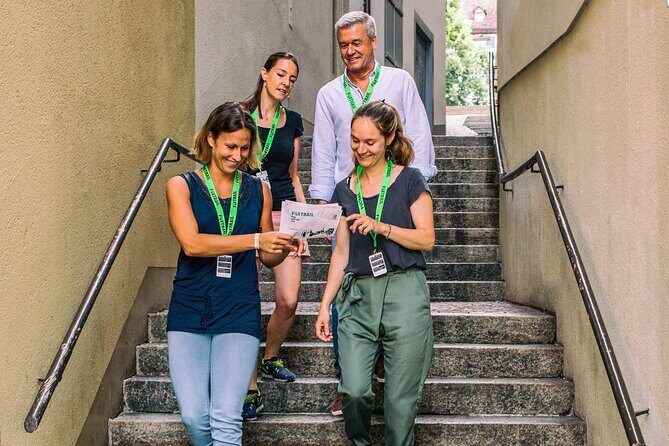
If you’re traveling with kids, this matters too. The format is built around puzzle work, and families have enjoyed it with children in the roughly 8 to 14 range. The key is that the challenge level can pull everyone in, as long as you take time with the instructions and don’t assume every clue will be instantly obvious.
If you’re an art lover, you’ll get enjoyment from recognizing the story thread tied to Dove with Peas. If you’re more of a puzzle person, you’ll likely enjoy the structured “clue chain” nature of the stations. And if you’re both, this trail is basically your perfect overlap.


Navigation reality near Zurich: make your phone part of the plan
Kloten is close to Zurich Airport, which is convenient—but it also means you’re in an area where directions can feel less intuitive than a historic city center. Some people found the route instructions difficult without navigation help.
So here’s my straightforward advice: don’t treat your phone like an optional extra. If you care about smooth pacing, have navigation ready before you start. Zoom in on the route, confirm where you are, and use the phone to prevent small detours from turning into long delays.
There’s also a practical walking consideration at the end of the trail. One piece of feedback points out that the walk back from Kloten station to parking garage 6 can be a bit far. If you’re driving and parking, or if you plan to regroup near transit, check your exact end-of-route expectations so you aren’t surprised by a longer stroll than you want.
And about stamina: this experience is labeled with a moderate physical fitness level. That’s city-walk moderate, not “climb a mountain” moderate. Still, wear shoes you’re happy to walk in for a couple hours plus any transit waiting.
Price and value: is $45.50 for 2.5 hours worth it?
At about $45.50 per person and roughly 2 hours 30 minutes in duration (approx.), Foxtrail Picasso sits in the “you’re paying for a designed experience” category. You aren’t buying a guided lecture. You’re buying a structured mission with stations, interactive tasks, and a route that uses public transport.
That value can be strong if:
- you like puzzles and small challenges
- you want a different way to see the area around Zurich Airport
- you enjoy team problem-solving with friends or family
- you appreciate creative post designs instead of sightseeing-only stops
It may feel high if you expected a casual walk with minimal thinking time. One drawback that popped up is that the price per person can seem steep to some people. The fair way to look at it: you’re paying for production value in the station design and the trail structure, not for a classic guided tour format.
Also remember time can stretch. Some feedback suggests the posted time estimate can feel tight, especially if you get stuck on a station or you go slowly through the clue chain. I’d plan for extra buffer if you want to take photos, reread instructions, or help kids think through the tasks.
Rain, tech quirks, and keeping the mission fun
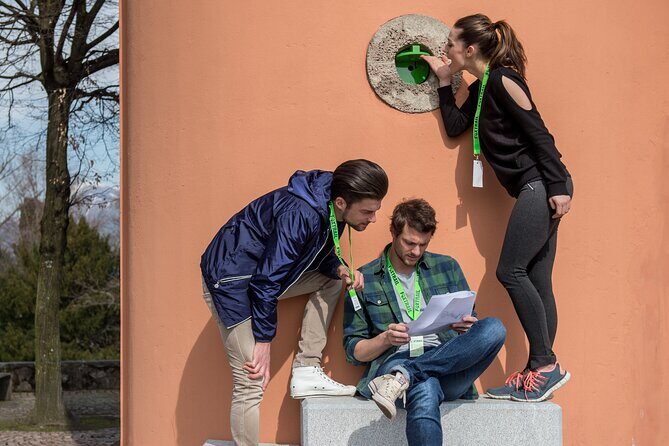
Foxtrail Picasso requires good weather. That’s not just legal language. The experience depends on walking between posts and interacting with outdoor/urban stations. If conditions are poor, you may lose time, comfort, or both.
That said, people have still had a good time in rainy weather. The key is preparation: bring what keeps you comfortable—rain gear, dry layers, and shoes that don’t get miserable fast.
One more real-world issue: because stations are technical and interactive, there’s a chance that not everything works perfectly at every post. I’d treat this like any game experience—if one step is glitchy, don’t let it spoil the whole outing. Keep moving carefully, follow the clue logic, and stay patient.
If you’re the type who gets stressed by “sometimes it breaks,” this may be the only mental hurdle. If you can roll with minor hiccups, it won’t derail the fun.
Who this suits best in Zurich: families, puzzle hunters, and dog walkers
Foxtrail Picasso is a good fit if you want something between a scavenger hunt and a self-guided puzzle tour. It’s especially appealing for:
- families who want teamwork time
- art lovers who like story-based missions
- tech-curious travelers who enjoy interactive stations
- people who prefer exploring using public transport rather than renting cars
Dog-friendly? The trail route is described as suitable with a dog. Service animals are allowed too, which is helpful if you’re traveling with a companion animal.
The other deciding factor is the trail’s need for close reading and careful solving. If you’re hoping for a passive sightseeing experience, you might find it too puzzle-focused. If you enjoy paying attention and thinking a few steps ahead, you’ll likely have a better time.
Should you book Foxtrail Picasso in Kloten?
Book it if you want a fun, story-driven urban adventure with art-and-technology puzzles near Zurich Airport. At this price, it’s best when you’ll actually use the time well—working through stations as a team and embracing the clue-to-clue flow.
Pass on it (or at least rethink expectations) if you need super simple navigation and zero problem-solving. The experience depends on reading carefully and using your phone for orientation. And because it’s weather-sensitive and station-based, you should accept that a technical post might occasionally misbehave.
If you go in with patience and curiosity, Foxtrail Picasso is a smart way to spend an afternoon in Kloten—less about looking at Zurich from afar, more about solving your way through it.
FAQ
How long is the Foxtrail Picasso?
It takes about 2 hours 30 minutes (approx.).
Where do I start the Foxtrail Picasso?
The start is 8302 Kloten, Switzerland, and the activity ends back at the meeting point.
How much does it cost per person?
The price is $45.50 per person.
What do I need to bring?
You’ll need a printed reservation confirmation with a printed barcode, your starting documents, and a cell phone for each team. You also buy the tickets at the departure station using the confirmation and should stamp the tickets before the start.
Is the Foxtrail Picasso a private activity?
Yes. It’s listed as a private tour/activity, and only your group will participate.
Is it suitable for walking and kids?
It’s marked as requiring moderate physical fitness level, and it can work well for families with children around the 8 to 14 age range based on the experience feedback provided.
Does it depend on weather?
Yes. The experience requires good weather. If it’s canceled due to poor weather, you’re offered a different date or a full refund.