REVIEW · GENEVA
Geneva Virus Run: Stop the Infection Exploration Game
Book on Viator →Operated by Questo · Bookable on Viator
Puzzles turn Geneva streets into a zombie game. It’s a self-guided exploration route where you solve clues, get hints on-screen, and pause at a string of landmarks around the city.
I like that it’s private with no human contact, so you can go at your own pace. I also like the offline-focused design, which can help you save mobile data while you walk.
One thing to watch: some phones may still need internet at the very start to set up or unlock the game, even though it’s meant to run offline afterward.
In This Review
- Key highlights to know before you start
- A zombie-themed city game that still feels like a real Geneva walk
- Price and time: what $7.21 buys you in Geneva
- Offline play reality check: download and start smart
- Your walking path: Plainpalais to Rousseau with 12 clue stops
- Stop 1: Skatepark of Plainpalais (about 5 minutes)
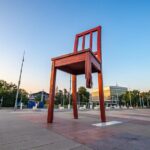
- Stop 2: Monument du Monstre de Frankenstein (about 10 minutes)
- Stop 3: Place de Neuve (about 5 minutes)
- Stop 4: Statue de Gandhi (about 5 minutes)
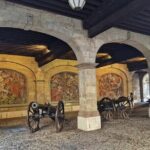
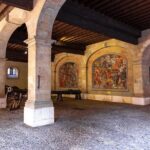
- Stop 5: L’ancien arsenal (about 10 minutes)
- Stop 6: Café La Clémence (about 5 minutes)
- Stop 7: Degree Passage (about 5 minutes)
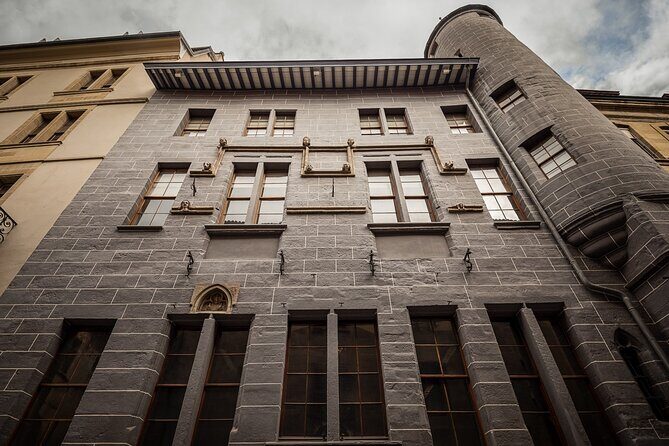
- Stop 8: Tavel House (about 5 minutes)
- Stop 9: Espace Madeleine / Temple de la Madeleine (about 5 minutes)
- Stop 10: L’Horloge Fleurie (about 5 minutes)
- Stop 11: Fondation de la Haute Horlogerie (about 5 minutes)
- Stop 12: Statue de Jean-Jacques Rousseau (about 5 minutes)
- What you actually do at each stop (and why that matters)
- Family fun, or adult puzzle cravings? Choose your expectations
- How to fit this into your day in Geneva
- Quick “watch-outs” so your phone game doesn’t ruin your mood
- Connectivity at the start
- Activation/access problems
- Device/account friction
- Changes around town
- Should you book Geneva Virus Run?
- FAQ
- How long is Geneva Virus Run?
- Where does the game start and end?
- Do I need a physical guide?
- Is it available offline?
- Is the price per person?
- How much do the stops cost?
- What language is the game offered in?
- Can I start at any time?
- Can I cancel, and is it private?
Key highlights to know before you start
- Offline play designed for low-data walking after setup/unlock
- Private route for your group only, with no guide walking alongside you
- Free entry at every stop, so you’re paying for the game, not admission
- 12 short puzzle stops (mostly 5–10 minutes each) built into one loop
- Flexibility to start when you like and stop when you need to
- English available, with on-screen prompts and information at each location
A zombie-themed city game that still feels like a real Geneva walk
This is not a guided tour where someone talks at you. It’s a self-guided exploration game with a zombie theme, designed to nudge you along a set route while you solve puzzles. You’ll follow clue chains to each stop, then read the hints and learn about what you’re standing in front of.
The good news is that the theme doesn’t block the sightseeing. You’re still moving through recognizable Geneva areas and getting multiple micro-stops instead of one long slog. And because it’s private (your group only), you avoid the usual crowd-management headaches that can happen with classic walking tours.
I also like how the experience is structured around short “grab-and-go” moments: figure out the next clue, walk to the next location, then spend a few minutes there while the game tells you how to continue. That keeps the pace upbeat even if you’re not an “escape room” person.
A few more Geneva tours and experiences worth a look

Price and time: what $7.21 buys you in Geneva
At $7.21 per person for about 1 hour 20 minutes, you’re buying a guided-style route without paying for a guide’s time. You’re also getting admission-free stops built into the path, which matters in a place like Geneva where individual attractions can add up quickly.
Here’s the value logic I’d use if I were planning your day:
- The game gives you a pre-set walking route so you don’t have to plan every turn.
- You get 12 stops with short durations, which can turn an average sightseeing hour into a structured mini-adventure.
- You can often keep costs down because each listed stop is ticket free.
It’s also a smart option if you want something “active” but not intense. You’re not signing up for a full-day hike, and you’re not stuck on a tight schedule with a human guide.
Offline play reality check: download and start smart
The game is described as something you can play offline to save data. And the provider also says you don’t need an internet connection to play this city game. That said, at least some people have found that the starting point can be tricky if their phone has no internet available.
So I’d treat it like this:
- Plan to download everything and get set up before you begin—ideally on Wi-Fi.
- Expect that the game might need connectivity at the beginning to unlock or initialize properly, then you can continue offline.
There’s also another practical risk you should know about: one problem report involved an activation number that wasn’t present in the ticket, making the app impossible to access. That’s not common in the experience description, but it’s enough of a warning that I’d double-check your ticket information before you head out.
Finally, if you’re planning to play on multiple devices (phone plus tablet), keep in mind there have been issues with using the same account across devices. If you want this game to be smooth, pick one main device and stick with it.
Your walking path: Plainpalais to Rousseau with 12 clue stops
This route starts at the Skatepark of Plainpalais on Av. du Mail, and it ends at the Statue Jean-Jacques Rousseau on Île Rousseau 1. The listed hours are essentially all day (12:00 AM to 11:59 PM), which matches the idea that you can play it whenever you like.
The route is made of 12 stops. Each one follows the same pattern: you receive a clue, you solve a puzzle to reach the location, then you get indications and learning while you’re there. Most stops are short enough that you won’t feel trapped if your legs or attention need a break.
Stop 1: Skatepark of Plainpalais (about 5 minutes)
You’ll start at the Skatepark of Plainpalais and get the first clue/puzzle to move into the route. This is the best moment to slow down, read the on-screen prompts carefully, and confirm your phone is working as expected.
Why this helps: starting with a short leg lets you test the app early without burning your whole hour and change.





Stop 2: Monument du Monstre de Frankenstein (about 10 minutes)
Next you follow another clue to the Monument du Monstre de Frankenstein. Like the others, you’ll pause here long enough to get indications on what comes next and learn a bit about the place you reached.
Consideration: 10 minutes sounds short, but puzzles can be time-sinks if a clue is unclear—so don’t fight it for too long if your energy drops.
Stop 3: Place de Neuve (about 5 minutes)
A quick stop next: Place de Neuve. Expect a short puzzle-to-pause-to-continue rhythm again, with hints guiding you onward.
Why it’s good: these very short stops keep your walking loop moving.
Stop 4: Statue de Gandhi (about 5 minutes)
You’ll move to the Statue de Gandhi after solving the next clue. This is another “five-minute reset” stop—enough time to read what the game provides and prepare mentally for the next segment.
Practical tip: take a second to orient yourself in the spot before you start the next navigation step.
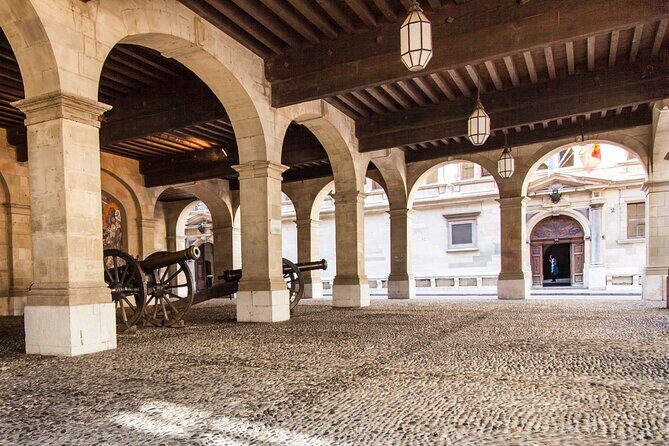
Stop 5: L’ancien arsenal (about 10 minutes)
Now you get another slightly longer pause. The game uses the stop to provide indications and information, then it nudges you back into puzzle mode.
Why this stop can feel special: 10 minutes gives you enough time to slow down and actually look around, instead of treating every location like a waypoint.
Stop 6: Café La Clémence (about 5 minutes)
This stop puts you at Café La Clémence. Even if you don’t plan to spend money, it’s a natural place to rest—quick pause, then back to the route.
Watch for timing: if you’re playing later in the day, this is one of the stops where you might want to plan around typical café hours, since the game doesn’t include special access instructions.
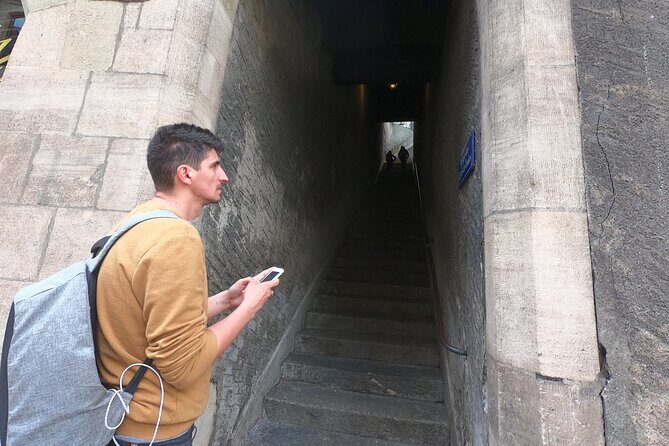
Stop 7: Degree Passage (about 5 minutes)
Degree Passage is another short puzzle stop. These mid-route pauses are useful for breaking the walk into manageable chunks.
Why it works: the route design avoids the common “one long lecture-style walk” problem by constantly changing the activity.
Stop 8: Tavel House (about 5 minutes)
You’ll solve your way to Tavel House and get the usual indications and learning at the location. It’s one of the stops where the game’s information component helps justify why you’re spending even a few minutes there.
If you like structure: this is the kind of stop that turns random sightseeing into a route with purpose.
Stop 9: Espace Madeleine / Temple de la Madeleine (about 5 minutes)
This stop lists Espace Madeleine / Temple de la Madeleine together, then provides puzzle-based arrival and on-site indications. It’s another “short and sweet” pause.
Consideration: the stop name is longer, which can sometimes mean the navigation cue is more specific—so read what the app says before moving.
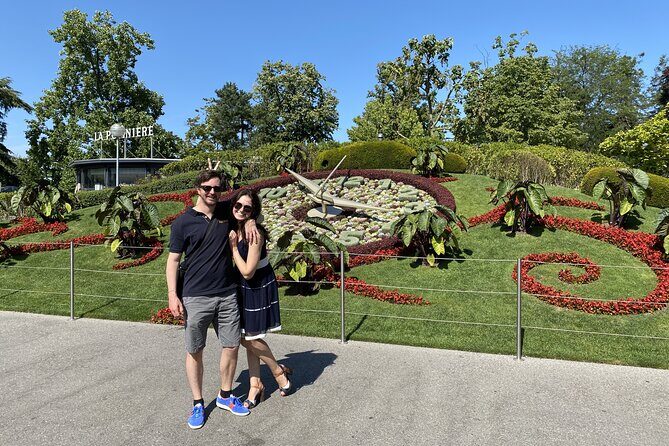
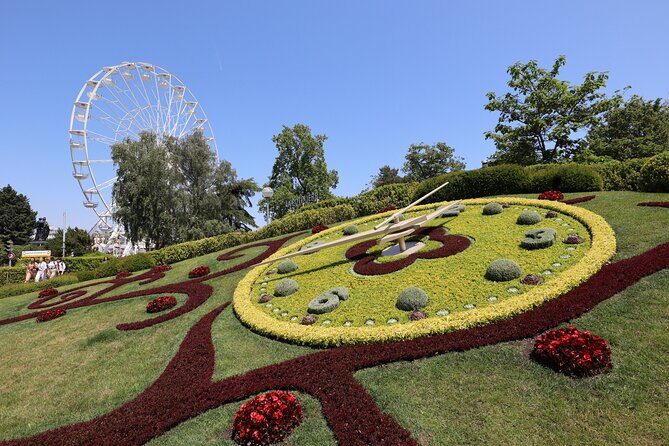
Stop 10: L’Horloge Fleurie (about 5 minutes)
Next you head to L’Horloge Fleurie, again with clue-and-puzzle arrival and brief on-location guidance. This is one of the stops where the game format can help you slow down and take in what you’re looking at.
Stop 11: Fondation de la Haute Horlogerie (about 5 minutes)
You’ll get to Fondation de la Haute Horlogerie via a clue and puzzle, then receive directions for what’s next. Even though it’s a short stop, it’s part of the route’s “varied Geneva” feel.
Why it’s helpful: mixing different types of stops (monuments, passages, notable buildings) makes the walk less repetitive.
Stop 12: Statue de Jean-Jacques Rousseau (about 5 minutes)
The route ends at the Statue de Jean-Jacques Rousseau. You’ll finish the final clue/puzzle and get the last round of on-site indications and info.
Why this ending works: ending near a notable landmark can help you reorient fast when you’re done and choose your next plan.
What you actually do at each stop (and why that matters)
The experience repeats a simple loop:
1) Solve a clue/puzzle to reach the next place.
2) Arrive and read the on-screen indications.
3) Take a short moment to learn about the site you reached.
That loop is the entire “product.” It’s also why this works for different travel styles. If you love city wandering, it gives you an easy structure. If you want a challenge, the puzzles add just enough mental effort to make a walk feel like an event.
One theme in feedback is that many riddles can feel easy or a bit more suited to families than adults. There’s also feedback about wording that can be unclear or feel oddly phrased, which can turn a quick stop into a longer one if you can’t interpret the clue fast.
So if you’re traveling with kids or you want light brainwork, this is a great match. If you want hard puzzle mastery, you might wish the riddles were more advanced.
Family fun, or adult puzzle cravings? Choose your expectations
This is a good pick for families. It’s set up as group play on your phone, and it’s built out of short stops that kids can handle without feeling like the game is dragging. In feedback, people also noted it was easy to sign up and easy to use once the app was downloaded.
For adults, the experience still works because Geneva is visually rewarding, and the route turns you into an active observer. But if you’re used to tricky escape rooms, you may find the game more playful than brain-bending.
My advice: treat the game as a guided walking route with a fun wrapper, not as a serious puzzle tournament.
How to fit this into your day in Geneva
Because you can start whenever you like after booking, you can plug it into a day without stress. It’s also a private activity, so it’s easier to coordinate with the rest of your schedule than a fixed-time group tour.
Here’s a practical way to plan it:
- If you want to see more, you can do this early to get your bearings, then follow up with other sights on your own.
- If you want a lighter afternoon, do it after you’ve already handled your “must-sees.” The short stops keep your legs from getting wrecked.
Also, the start and end points are both in central Geneva areas, and the start is near public transportation. That helps if you’re coming from a hotel outside the center.
Quick “watch-outs” so your phone game doesn’t ruin your mood
A city game lives and dies on simple technical factors. Here are the issues worth preventing:
Connectivity at the start
Even though it’s marketed as offline-friendly, some people needed internet at the starting point to get going. So don’t count on zero connectivity being enough.
Activation/access problems
One report described an activation number missing from the ticket, which blocked access. Before you leave your hotel, scan your confirmation and ticket details and make sure you have what the app needs.
Device/account friction
If you’re thinking of switching devices mid-route, consider that using the same account across devices can be a problem. Pick your main device and plan to finish there.
Changes around town
Some feedback mentioned that works and changes over time made a few points harder to guess. That doesn’t mean the game is broken, but it can mean you should be patient with puzzle clues and use the hint indications you’re given.
Should you book Geneva Virus Run?
I’d book it if you want a low-cost, structured, self-guided way to walk Geneva for about 1 hour 20 minutes. The price is reasonable for what you get: a private route, admission-free stops, and a built-in “do this next” flow that keeps you moving.
I wouldn’t book it if you’re counting on it being effortless with no internet at all, or if you need a very hard puzzle experience. The game is best enjoyed with flexible expectations: think of it as a fun guided walk where the phone handles the navigation puzzle, and Geneva does the rest.
If you do book it, do one simple prep step: make sure your phone is charged and you can access the game at the start without surprises. Then you’ll get the best version of this experience—puzzling, strolling, and stopping often enough to actually enjoy the places you reach.
FAQ
How long is Geneva Virus Run?
The experience is about 1 hour 20 minutes.
Where does the game start and end?
It starts at the Skatepark of Plainpalais (Av. du Mail, 1205 Genève) and ends at the Statue Jean-Jacques Rousseau on Île Rousseau 1, 1204 Genève.
Do I need a physical guide?
No. It’s a self-guided city exploration game, and the listing doesn’t include a physical tour guide.
Is it available offline?
The experience is designed for offline play so you don’t need internet to play the city game. However, some users reported needing internet at the starting point to begin.
Is the price per person?
Yes. The price is $7.21 per person.
How much do the stops cost?
Each listed stop shows admission ticket free, so you’re not paying separate entry fees for the locations on the route.
What language is the game offered in?
It’s offered in English.
Can I start at any time?
Yes. You can start when you like, and you can play anytime after booking without needing to reschedule.
Can I cancel, and is it private?
The activity is private (only your group participates). It also offers free cancellation up to 24 hours in advance for a full refund.